EU's Russia Dilemma: Direct Talks Amid Ukraine War Spark Debate!

EU's Russia Dilemma: Direct Talks Amid Ukraine War Spark Debate!
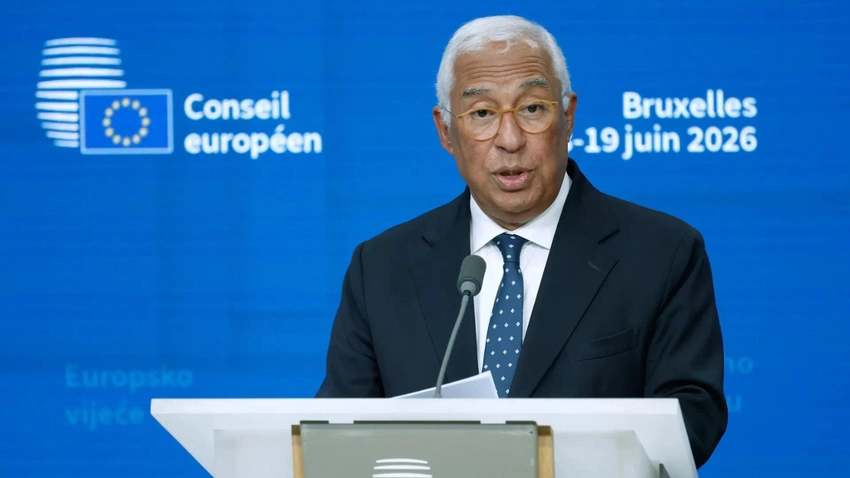
European Council President Antonio Costa defends opening direct communication with Russia amidst the Ukraine war. Discover why some EU leaders are concerned while others back this crucial diplomatic move. #EU #Russia #Uk
The European Union finds itself navigating a complex diplomatic landscape, attempting to maintain crucial communication channels with Russia even as the war in Ukraine continues. European Council President Antonio Costa has robustly defended his office's direct outreach to Moscow, underscoring the vital need for dialogue despite the current absence of immediate peace talks concerning Ukraine.
This initiative, however, has not been met with universal approval within the bloc. Some EU leaders have voiced concerns regarding uncoordinated diplomatic efforts and the potential for these direct communications to undermine the collective pressure the EU aims to exert on Russia. The worry is that such moves could be misinterpreted as a softening of the EU's stance or could create divisions among member states.
Conversely, nations like Spain and Ireland have expressed support for Costa's approach, viewing it as a necessary diplomatic tool. They argue that direct lines of communication are essential to convey the bloc's messages directly to Russia and to explore any potential avenues for de-escalation, however remote they may seem.
Adding another layer to this intricate situation, Russia has indicated its openness to talks with European governments, but with a clear caveat: a "no ultimatums" condition. This stance from Moscow suggests a desire for negotiations free from preconditions, which could be challenging given the EU's unwavering support for Ukraine's sovereignty and territorial integrity.
Indeed, the complexity of the situation was highlighted earlier this week when EU leaders signed a joint statement reaffirming their support for Ukraine, echoing a similar move by the G7. This collective declaration emphasizes the EU's commitment to standing with Kyiv while simultaneously grappling with the necessity of engaging, however reluctantly, with Moscow. The dilemma for Europe remains: how to maintain a united front against Russian aggression while keeping open the delicate, yet potentially vital, pathways for diplomatic engagement.
