AI Tutors vs Human Teachers, Who Is Owning 2025 Classrooms?

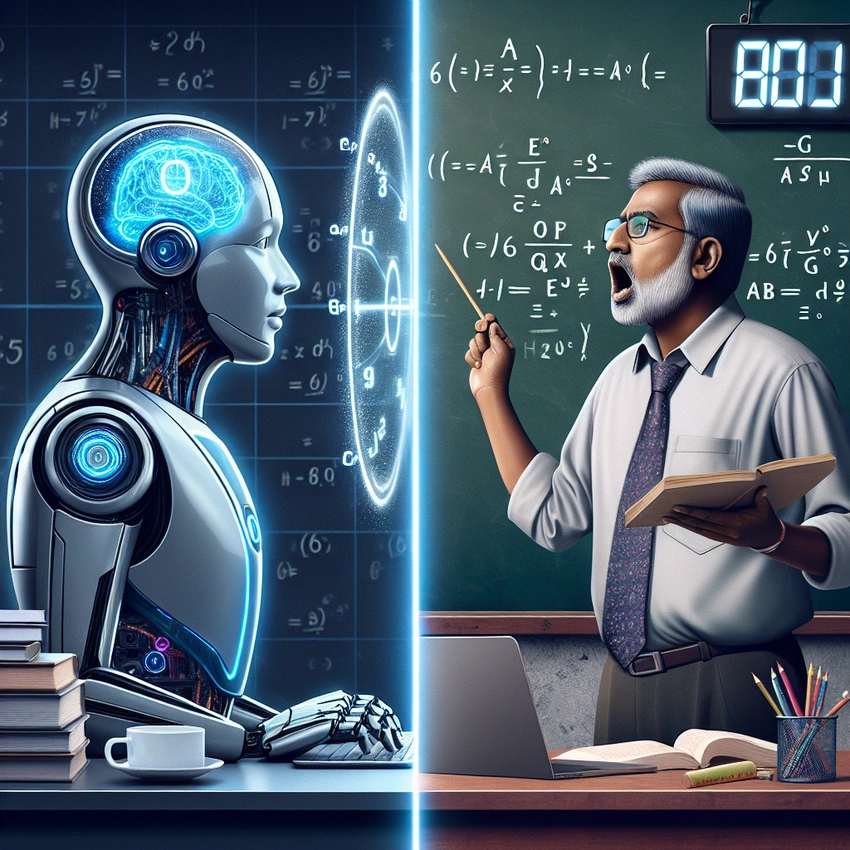
AI Tutors vs Human Teachers, Who Is Owning 2025 Classrooms?
Explore how artificial intelligence is reshaping education with 24/7 access, personalized learning, and immediate feedback, while emphasizing the irreplaceable role of human teachers.
Artificial intelligence is quickly changing education by providing students with 24/7 accessibility, personalized learning experiences, and immediate feedback. AI is becoming a crucial component of contemporary classrooms thanks to its capabilities, which increase the scalability of education. However, as AI develops further, the crucial question of whether it can actually take the place of human teachers emerges.
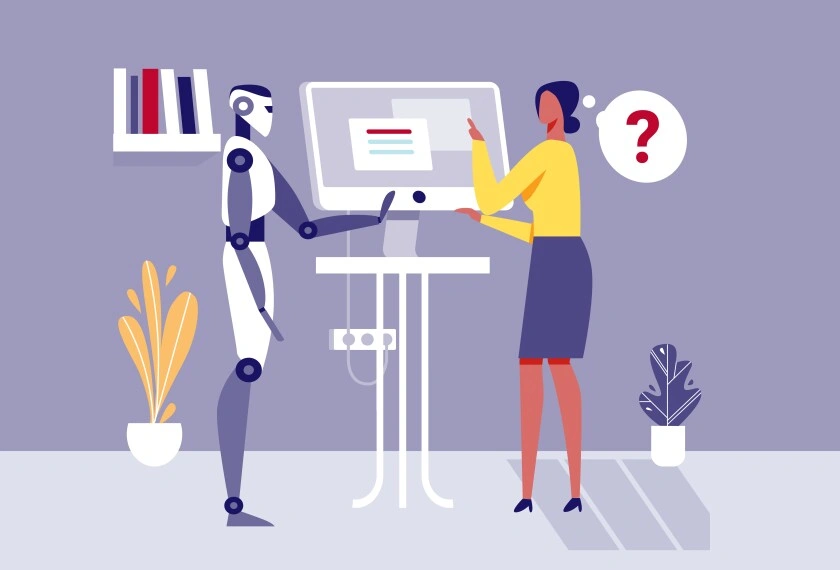
Human educators contribute something far more worthwhile. AI cannot completely replace education, which is about imparting knowledge and encouraging creativity, emotional intelligence, and critical thinking. There are benefits and drawbacks to using AI in education, but the true promise is in a partnership where technology complements human interaction in instruction rather than taking its place.
The Strengths of AI Tutors
AI-powered resources are essential to the modernization of education. AI-driven tools, like AI Homework Solver, adjust to each student's particular learning style and pace, making education more effective and customized than traditional teaching methods.
1. Tailored Education for Each Learner
The ability of AI tutors to personalize lessons is one of their greatest benefits. AI platforms evaluate student performance and modify content in response, rather than adhering to a strict curriculum. AI guarantees that students receive the appropriate level of instruction, regardless of whether they require additional assistance with a difficult subject or a more difficult task.
2. Scalable Assistance for Institutions and Teachers
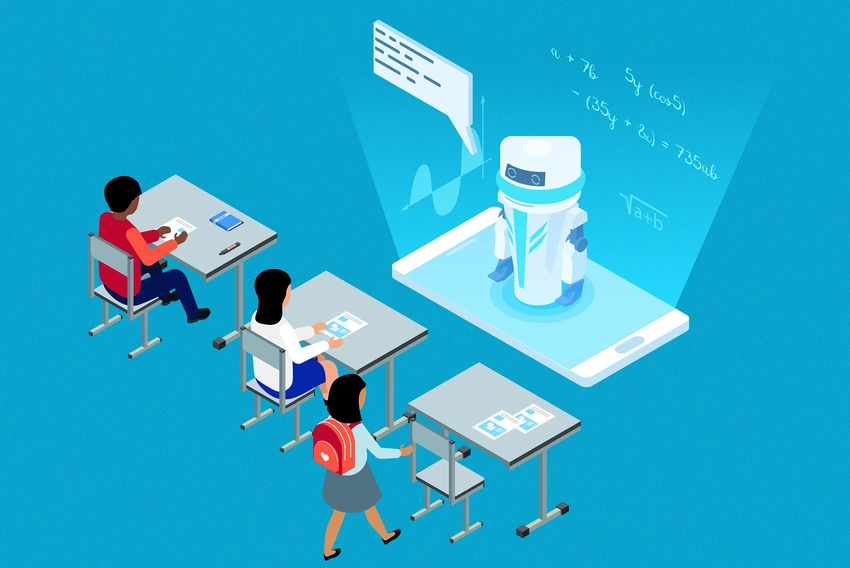
A scalable answer to the problems of packed classrooms and scarce instructional materials is provided by AI tutors. AI can offer more learning support in schools with a teacher shortage without adding to the workload of teachers. AI frees up teachers to concentrate on mentoring and student interaction by automating administrative duties. Additionally, by assisting teachers in creating resources, AI tools such as teacherbot.io 🔗 greatly reduce their workload.
3. All the time Availability and Adaptable Education
AI-powered tutors are accessible anywhere, at any time, in contrast to traditional classrooms with set schedules. Students who are balancing their studies with jobs or other obligations will especially benefit from this 24/7 accessibility. Students can learn at their own pace, whether that means reviewing study material late at night or honing problem-solving techniques while on the go with apps like NoteKnight. My friend said,
I can go through my note and solve the doubts with the help of an AI anytime. I find it very user-friendly.
The Human Touch
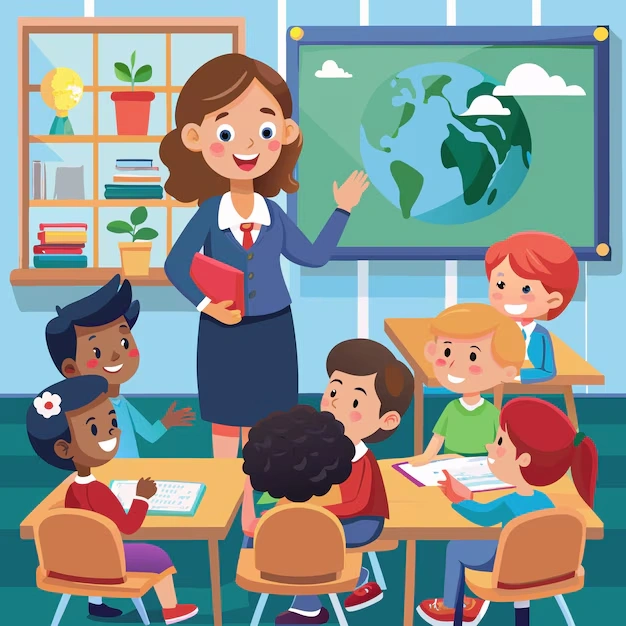
AI tutors improve education by increasing efficiency and personalization, but they fall short in terms of emotional intelligence, creativity, and mentoring compared to human teachers. No matter how sophisticated AI gets, these human components will always be indispensable.
1. Mentoring and Emotional Attachment
Human teachers are essential in fostering a supportive learning environment because students flourish when they feel understood and supported. They are able to identify when a student is experiencing emotional difficulties, provide support, and offer tailored motivation that AI just cannot match. A machine can identify knowledge gaps, but it is unable to provide comforting words, acknowledge minor successes, or empathetically support students as they face difficulties.
2. Promoting Creativity and Critical Thinking
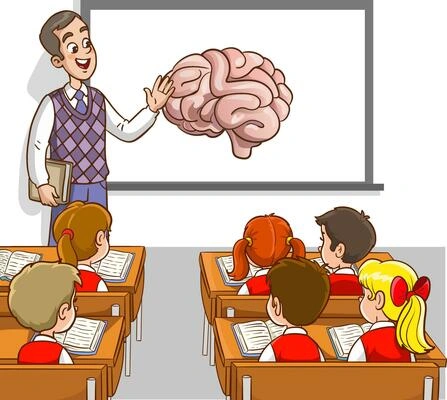
While AI tutors are excellent at delivering structured instruction, they have trouble encouraging creativity and unstructured problem-solving. In addition to imparting knowledge, great teachers stimulate students' curiosity, push them to think outside of the textbook, and promote dialogues that result in a deeper comprehension of the material. Human-led classrooms facilitate lively discussions, debates, and practical knowledge applications.
3. Adjusting to Complex Educational Requirements
Although AI is capable of analyzing data patterns, it is unable to completely comprehend the complexities of human behavior, learning disabilities, or socioeconomic issues that affect education. Based on subtle clues that an algorithm might overlook, teachers instinctively modify their teaching methods, offer moral support, and modify lessons.
Collaboration is Essential
When AI is employed as a strong ally of human teachers rather than as a substitute, its full educational potential is revealed. Time-consuming jobs like lesson planning, grading, and data analysis can be handled by AI tools, freeing up teachers to concentrate on their core competencies of instructing, mentoring, and motivating students. According to my brother,
Collaborating with AI tutors can manage the time and and teachers can make their schedule and also intensify learning sessions very comfortably.
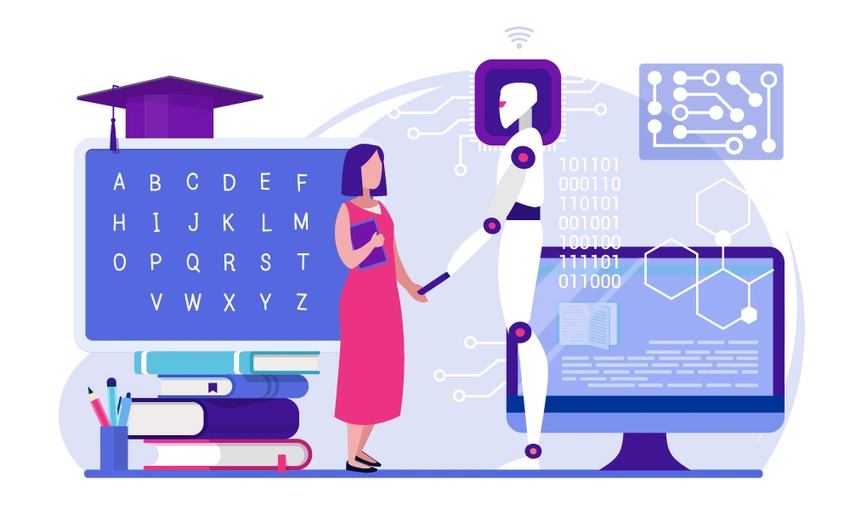
Using AI-generated main idea anchor charts in the classroom is a great illustration of this collaboration. Even though AI can produce succinct, understandable charts that simplify difficult subjects, it is the teacher's skill and direction that transforms these resources into useful teaching tools. Instructors can interact with students, customize the content, and give the AI-generated resources a real-world context.
Conclusion
The goal of the future of education is to maximize the potential of both teachers and AI, not to choose between the two. Students gain from a more individualized, effective, and interesting learning experience when educators and AI collaborate. Teachers can increase their impact, reduce their workload, and even create new opportunities by embracing AI as a partner.
#AIinEducation #EdTech #PersonalizedLearning #HumanTeachers #FutureOfEducation
