FA Cup final no one wanted reveals the modern game

FA Cup final no one wanted reveals the modern game
A Wembley finale highlights apathy around a Chelsea–City showdown, underscored by big-money dynamics and a shifting coaching landscape.
In a season where Wembley’s culmination feels less like a national celebration and more a reflection of shifting priorities, the FA Cup final is being painted as one of those rare tickets that’s not really ‘everyone’s cup of tea.’ Calum McFarlane’s appearance on the big day is framed as a vintage moment in an era where such images feel both aspirational and out of step with the modern game. He could become the first English manager to win the competition since Harry Redknapp in 2008, and yet the broader mood is more about the context than the result.
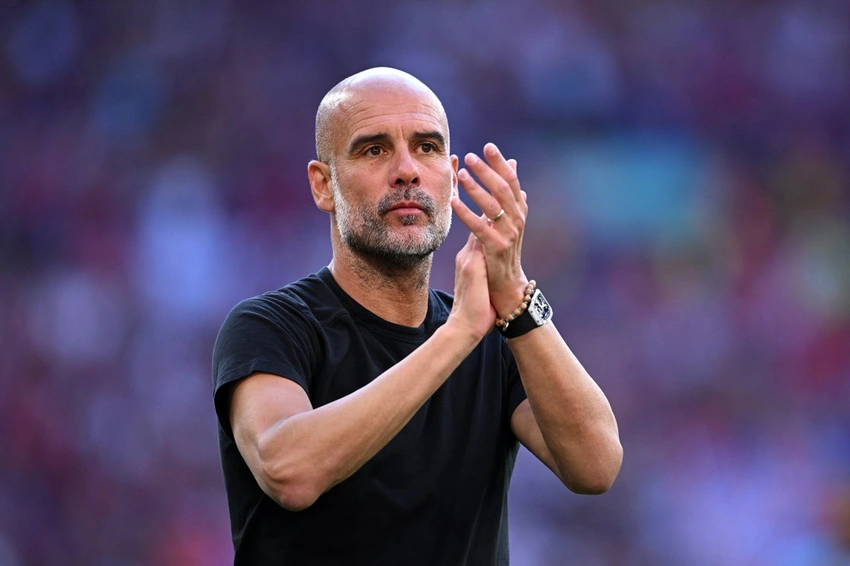
This final sits alongside a wider narrative of distorted incentives and ownership models in the game. Chelsea’s ownership — and the unusual ties with Kinetic — have helped lift a relatively inexperienced coach into one of football’s sharpest stages. Out on the touchline, McFarlane faces Pep Guardiola, a manager whose own FA Cup chase has become a case study in persistence and pressure. The pairing underscores how the competition has evolved into a chessboard where stories are as much about fund flows and strategic control as they are about players and tactics.
Even with City and Chelsea at the center, there’s a sense that this final might struggle to grab the headlines beyond the usual duopoly. City are deep in a Premier League title race and Guardiola’s future looms as a talking point, while Chelsea continue searching for a long-term coach, a search that some associate with Xabi Alonso in speculative chatter. Taken together, the piece argues that the match is less a celebration of a single game and more a snapshot of football’s current era — where spectacle is tempered by ownership models, corporate branding, and the ever-present question of who gets remembered when the final whistle blows.
