White House Faces Backlash Over Iran Strikes Video Mashup

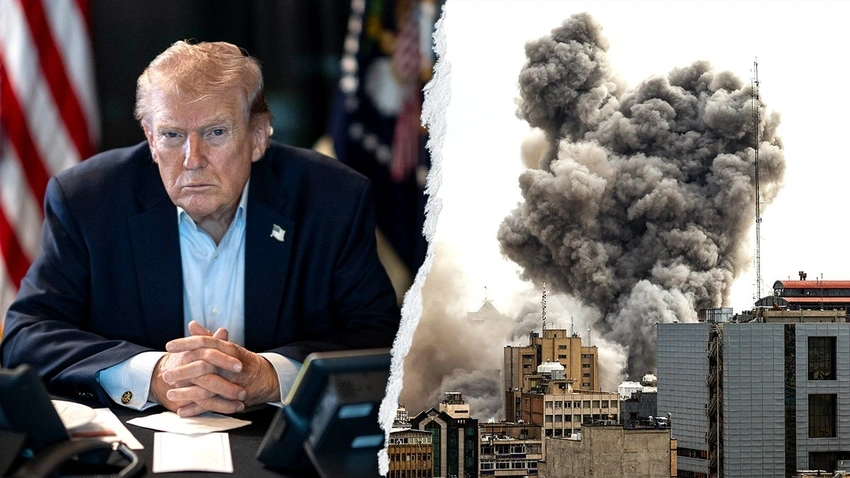
White House Faces Backlash Over Iran Strikes Video Mashup
Critics slam a White House video blending Iran strike footage with movie clips, sparking debate on tone and accountability.
A 42-second clip posted by the White House on X blends footage of strikes in Iran with iconic scenes from popular films and TV shows, captioned “JUSTICE THE AMERICAN WAY.” The mashup pulls from Iron Man 2, Gladiator, Braveheart, and Tropic Thunder, as well as moments from Breaking Bad and Better Call Saul, before finishing with imagery of a U.S. strike on an Iranian ship and the line “Now end this!” followed by the White House logo and a voice-over saying “Flawless Victory.”
The video quickly drew a spectrum of reactions online. Some praised the post, with supporters noting a strong message of resolve. Others criticized the approach, arguing it trivializes real-world tragedy and risk, particularly as civilians are affected by ongoing conflict. Critics framed the clip as tone-deaf to the seriousness of war and warned against treating real violence as entertainment or propaganda.
Notably, prominent voices weighed in. One journalist described the production as “a frat house vibe,” arguing it minimizes the gravity of casualties and fear felt across the Middle East. On the other hand, supporters included actors and fans who defended the creative choice as a stark, attention-grabbing call to action. The video also featured a Tropic Thunder clip that drew direct attention from director Ben Stiller, who later urged the White House to remove it, stating that “War is not a movie” and that he had no permission to be part of such material.
The controversy extended beyond the White House’s post, as Ben Stiller publicly pressed for removal of his clip and other critics urged a more careful handling of how conflicts are depicted in media. The ongoing debate highlights the broader tension between political messaging and the ethical responsibilities that come with portraying real-world violence in a entertainment framework. As the discourse unfolds, viewers are left weighing the impact of media artistry against the real human costs of war.
