Marshawn Kneeland Tragedy Triggers NFL Mental-Health Conversation

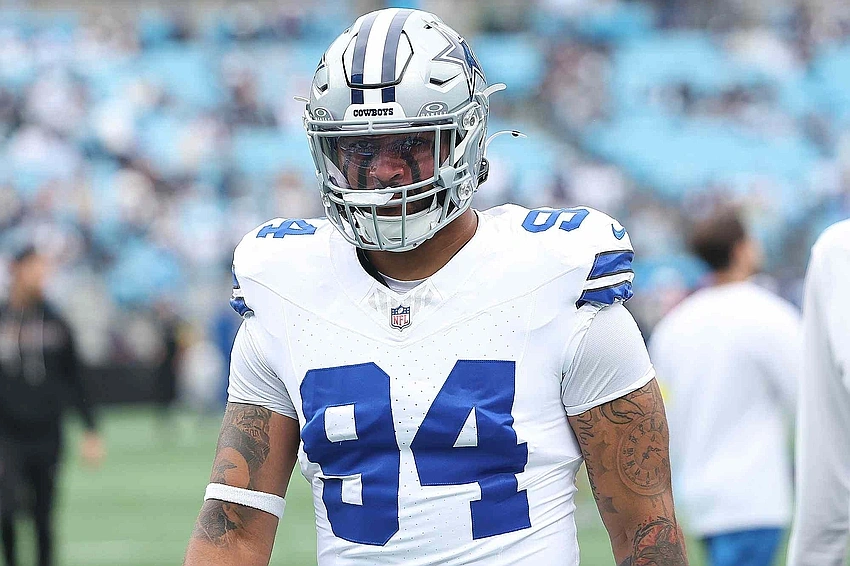
Marshawn Kneeland Tragedy Triggers NFL Mental-Health Conversation
Dallas Cowboys defensive end Marshawn Kneeland dies at 24 after a police pursuit, prompting renewed focus on NFL mental health support and player well-being.
Dallas Cowboys defensive end Marshawn Kneeland died at 24 in what investigators described as an apparent self-inflicted gunshot wound following a police pursuit. Authorities say alarming messages to family preceded the incident, triggering a swift response from officers and a wave of grief across the team and league.
Dispatch audio and the minutes surrounding Kneeland’s final hours have been cited in discussions about the pressures athletes face and the gaps that remain in mental health support for players at all levels. Coaches, teammates, and fans mourn a rising talent whose life off the field was deeply shaped by family and personal commitments.
Kneeland’s girlfriend, Catalina, an entrepreneur, was described as a grounding force in his life and alerted police during the moments leading up to the death. Their relationship was private but marked by mutual respect as Kneeland pursued his NFL dream.
Cowboys quarterback Dak Prescott paid tribute to Kneeland on what was a challenging day for the team, recalling his own experience with loss and urging loved ones to cherish every moment they share. Prescott’s reflections come against a backdrop of his own family tragedy in 2020, underscoring the fragile line between public success and private pain.
Family details paint a portrait of Kneeland’s roots and aspirations: his late mother Wendy and father Shawn were a constant influence, with Kneeland carrying his mother’s ashes as a reminder of her faith in his NFL journey. The loss resonates beyond one player, touching a franchise and a league wrestling with how best to support mental health.
As the Cowboys and the NFL community mourn Kneeland, conversations intensify about expanding mental health resources, reducing stigma, and ensuring players have access to ongoing care during and after their careers. The tragedy invites a broader, ongoing commitment to athlete well-being and humane response to personal struggles.
