Tarique Rahman Sworn In as Bangladesh’s Incoming PM

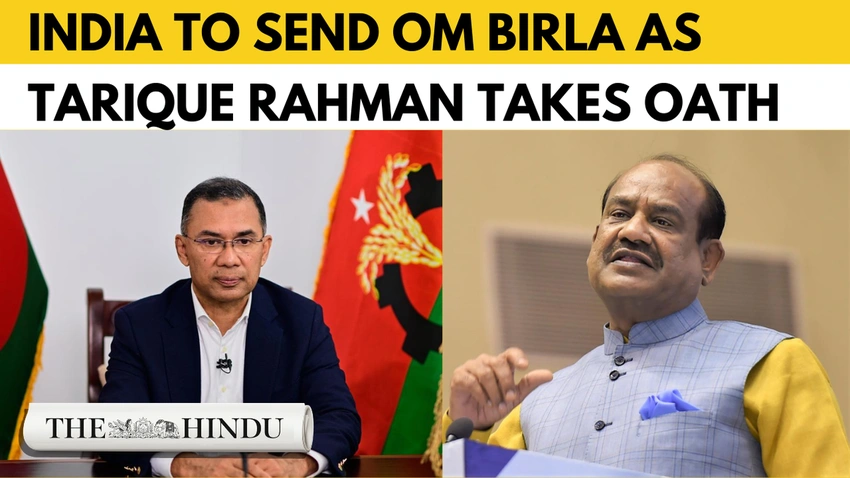
Tarique Rahman Sworn In as Bangladesh’s Incoming PM
Tarique Rahman takes oath as Bangladesh's new prime minister after a landslide win, signaling a new era amid economic challenges.
Tarique Rahman was sworn into parliament in Dhaka on Tuesday, becoming the country’s incoming prime minister after leading a landslide BNP victory in the February elections. He returns from 17 years in exile in Britain to take a seat in a parliament that marked the first elected representatives since the deadly 2024 uprising. The oath was administered by the chief election commissioner, with the president expected to swear in Rahman as prime minister and his ministers later in the day. Rahman, 60, heads the Bangladesh Nationalist Party and is part of one of the country’s most influential political dynasties. The BNP coalition secured 212 seats, while the Jamaat-e-Islami-led alliance won 77, underscoring a sharply polarized political landscape.
Rahman declared that the victory belongs to democracy and to those who sacrificed for it, and he acknowledged the challenges ahead: a fragile economy, weakened constitutional and statutory institutions, and a deteriorating law-and-order situation. He vowed to restore stability and revive growth, urging unity across parties in a country where investor confidence had waned amid months of turmoil. He also signaled a commitment to an era of clean politics, saying his administration would address governance as a central priority. Rahman’s return and ascent come as Bangladesh, the world’s second-largest garment exporter, faces economic headwinds that require reforms to sustain growth and protect jobs.
Observers say the new leadership must balance promises of reform with the difficult task of mending institutions and rebuilding public trust. Rahman’s leadership will be closely watched by international partners and investors who seek clarity on policy directions, notably in trade, industry, and security. The oath ceremony in Dhaka marks a pivotal moment for the country’s political trajectory as it seeks to move beyond years of rivalry toward a potentially more unified approach to recovering and stabilizing the economy.
