The Dark Side of Looksmaxxing: How Online Vanity is Shaping Gen Z

The Dark Side of Looksmaxxing: How Online Vanity is Shaping Gen Z
Influencers like Clavicular are exposing the raw truth about modern beauty standards. Looksmaxxing is more than an internet trend; it is a profound shift in how an entire generation views self-worth and authenticity.
The Illusion of Perfection: Gen Z and the Looksmaxxing Epidemic
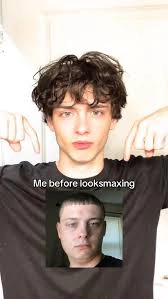
If you have spent any time on modern social media platforms recently, you might have stumbled across a peculiar and somewhat unsettling subculture. It is known as looksmaxxing. As highlighted in a recent critique from The New Yorker, the movement is spearheaded by ubiquitous influencers like Clavicular. These internet personalities are systematically demystifying the concept of natural beauty. They break down human attractiveness into geometric angles, bone structure, and symmetrical ratios.

At first glance, it might seem like just another passing internet fad. However, underneath the surface of jawline exercises and skincare routines lies a much deeper issue. This movement reveals exactly how online vanity culture is reshaping identity, self-worth, and the very concept of authenticity for Generation Z.
The Gamification of Human Biology
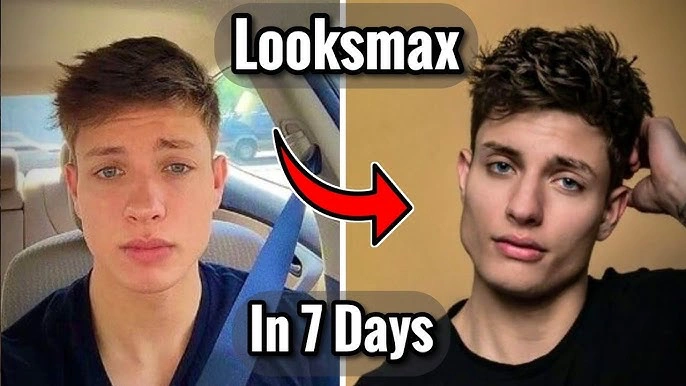
In the past, beauty was often viewed as subjective. Today, the looksmaxxing community treats human appearance like a video game character that needs to be optimized. Participants analyze their facial features using deeply specific terminology. They scrutinize everything from their canthal tilt to their facial harmony.
This relentless pursuit of aesthetic perfection is not about self-expression. Instead, it is about survival in a hyper-visible digital world. When your entire social life exists on a screen, your face becomes your currency. Influencers within this space preach that anyone can level up their appearance if they simply put in the work, but this ideology creates a toxic cycle. It implies that if you are unhappy with your life, your inadequate bone structure is to blame.
How Self-Worth Becomes a Metric
The psychological toll of this trend is staggering. When young people begin to view themselves through the cold, calculating lens of looksmaxxing, they strip away their own humanity. Self-worth is no longer derived from character, talent, or kindness. It is reduced to a mathematical equation.
Here are a few ways this metric-driven mindset is damaging young minds: Hyper-fixation on flaws: Teenagers are diagnosing themselves with aesthetic deficits that are invisible to the naked eye. Isolation and comparison: Social media algorithms constantly feed users images of genetically blessed individuals, creating a never-ending cycle of comparison. Loss of individuality: The ultimate goal of looksmaxxing is to achieve a very specific, homogenized standard of beauty. In doing so, young people are erasing the unique features that make them who they are.
The Broader Societal Implications
What happens to a society when its youth are fundamentally obsessed with their own reflections? The implications extend far beyond the individual. We are witnessing the birth of a generation that is deeply disconnected from the physical world.
When authenticity is replaced by optimization, human connection suffers. Relationships become transactional. We begin to judge our peers based on their aesthetic tier rather than their personality. Furthermore, this movement heavily intersects with consumerism. Young men and women are being sold an endless array of products, from jaw exercisers to expensive cosmetic procedures, all promising to fix insecurities that were manufactured by the internet itself.
The derangement of this movement lies in its false promise. It tells young people that achieving physical perfection will unlock happiness, respect, and love. Yet, those who reach the pinnacle of this aesthetic hierarchy often find themselves feeling emptier than before. The goalposts are always moving. There is always a new flaw to correct and a new angle to master.
Reclaiming Authenticity
We must ask ourselves how we can guide the next generation away from this digital vanity trap. The answer lies in redefining what makes a person valuable. Parents, educators, and cultural critics must actively challenge the sterile, algorithmic beauty standards pushed by influencers.
We need to celebrate the messy, imperfect reality of being human. True beauty cannot be measured by a protractor or an app. It is found in the joy of a genuine smile, the warmth of empathy, and the unique quirks that make each of us distinct. Until we dismantle the illusion that perfection equals worth, the looksmaxxing movement will continue to warp the minds of our youth. It is time to log off, look up, and remember that we are more than the sum of our facial angles.
