Biohacking: Health Obsession or a Hidden Eating Disorder?

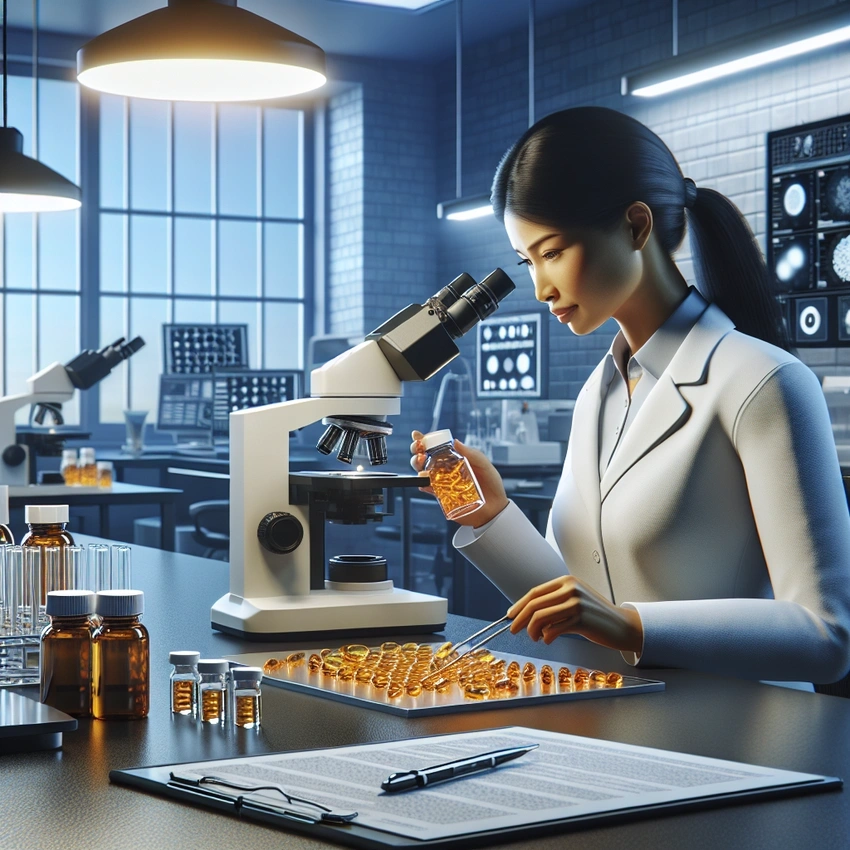
Biohacking: Health Obsession or a Hidden Eating Disorder?
Is the quest for ultimate human optimization through endless supplements truly health-driven, or are we witnessing a new, disguised form of disordered eating? We explore the blurred lines of biohacking.
The Biohacking Boom: Is 'Better' Always Best?
The promise of living longer, thinking sharper, and feeling stronger is incredibly alluring. Enter biohacking, the DIY biology movement where individuals track, analyze, and optimize their bodies and minds using science, technology, and often, an overwhelming arsenal of supplements. What started as an earnest pursuit of peak performance has rapidly evolved, leading many to question: when does 'optimization' cross the line into obsession?
Beyond the Basic Multivitamin: A Supplement Avalanche
For some biohackers, a daily routine can involve dozens of pills, powders, and tinctures.
From adaptogens and nootropics to probiotics and mitochondrial enhancers, the list seems endless.
Each promises a unique edge, a subtle tweak to unlock greater potential.
But is consuming 50 different supplements a day truly a pathway to robust health, or merely a sophisticated form of diet restriction and control, masked by scientific jargon?
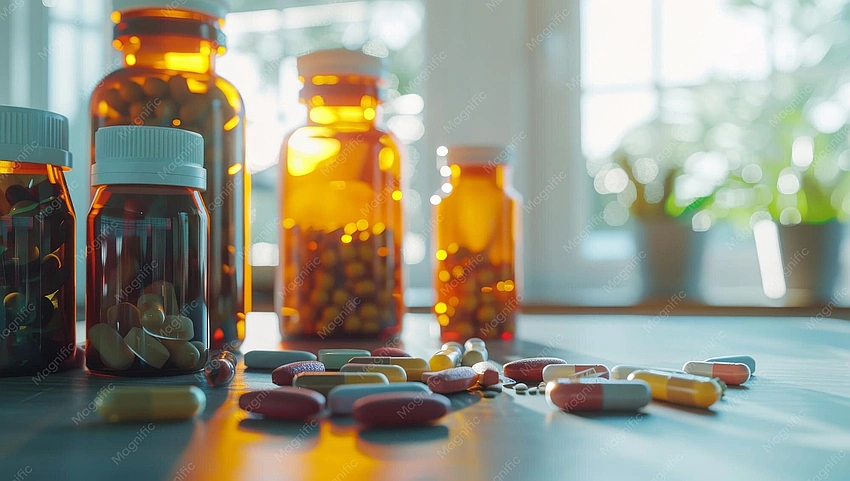
The Fine Line: Orthorexia's Shadow
This intense focus on 'optimal' nutrition and 'perfect' health can sometimes resemble orthorexia nervosa. This isn't a formally recognized eating disorder in the DSM-5, but it's a pattern of disordered eating characterized by an unhealthy obsession with healthy food. When the pursuit of purity and wellness becomes so rigid that it causes distress, anxiety, or impairs social functioning, we have to ask if the label 'health' still applies.
One expert noted,
While seeking to improve one's health is commendable, an unyielding fixation on 'perfection' can be profoundly isolating and detrimental.

The Risks and The Realities
Beyond the psychological toll, there are physical risks. Mixing numerous high-dose supplements without professional medical guidance can lead to dangerous interactions, nutrient imbalances, or even organ damage. Unlike pharmaceuticals, supplements aren't as rigorously regulated, meaning potency and purity can vary wildly.
The marketing is compelling, but the science behind many of these stacked regimens is often anecdotal or preliminary.

Optimized or Overwhelmed?
So, is biohacking inherently bad? Not at all. Intelligent, evidence-based self-experimentation can lead to genuine health improvements.
The key lies in intention, balance, and critical thinking. Are you taking supplements to feel good, or because you fear not being 'optimized'? Is it empowering, or does it feel like another chore, driven by anxiety?
True health is holistic, encompassing mental well-being, joy, and social connection, not just biochemical perfection.


Login to comment.
No thots yet. Be the first to share your thoughts!