Baramati bypoll: Sunetra Pawar seeks Thackeray backing as MVA split widens

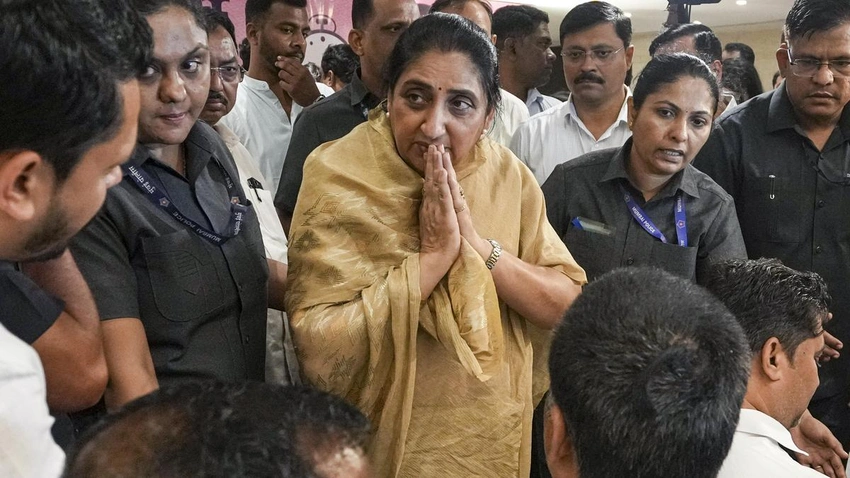
Baramati bypoll: Sunetra Pawar seeks Thackeray backing as MVA split widens
In Baramati bypoll, Sunetra Pawar eyes support from Uddhav Thackeray amid a widening MVA rift, while Congress plans to field its own candidate.
The rift within the Maha Vikas Aghadi, Maharashtra’s Opposition alliance, surfaced again as Congress declared it would contest the upcoming bypoll for the Baramati Assembly seat, a move that underscores the fragility of the coalition. The seat was left vacant after the death of Ajit Pawar, a veteran NCP leader and former deputy chief minister, in a January plane crash. His widow, Sunetra Pawar, is the ruling alliance’s candidate for the bypoll. On Friday, Sunetra called Shiv Sena (UBT) chief Uddhav Thackeray to seek his support, and sources indicated that the party is leaning toward backing her candidacy. The NCP faction led by Sharad Pawar has already said it will not field a candidate to oppose Sunetra. Sunetra Pawar is set to file her nomination on April 6, and the contest is unlikely to be unopposed in Baramati, a seat steeped in political tradition and sentiment.
This development highlights how Maharashtra’s political culture—often featuring family legacies and longstanding ties among alliance partners—continues to influence electoral calculations. While Thackeray’s conversation with Sunetra was framed as a discussion about support, the outcome remains to be decided by the Shiv Sena (UBT) leadership and party workers. The call signals the possibility that the MVA could present a united front to defend the Pawar legacy in Baramati, even as Congress presses its own bid to field a candidate in the bypoll.
Analysts say the Baramati bypoll will test the durability of the MVA coalition and the loyalties of voters in a region that has traditionally been a political stronghold for the Pawar family. If Thackeray backs Sunetra, it could shore up sentiment for the Pawar wing of the alliance and potentially complicate Congress’s position in the contest. Conversely, if Congress’s plan to field a candidate gains ground or if the NCP’s non-competition stance shifts, the bypoll could widen the rift within the opposition front and alter how alliances are navigated in the run-up to 2026 state politics.
As the clock ticks toward nomination day, Baramati observers will watch for any official announcements from Thackeray and for signals from the NCP factions about their next moves. The bypoll is not merely a local electoral affair; it could redefine the balance of power within Maharashtra’s Opposition and set a precedent for how sympathy, tradition, and party strategy intersect in a high-stakes political landscape.
