Kangana Ranaut Lashes Out as Bureaucrats Demand Rahul Gandhi’s Parliament Apology

Kangana Ranaut Lashes Out as Bureaucrats Demand Rahul Gandhi’s Parliament Apology
Kangana Ranaut’s remark and a growing open-letter campaign push Rahul Gandhi to apologise for Parliament conduct amid a tea-sipping protest and signatory demands.
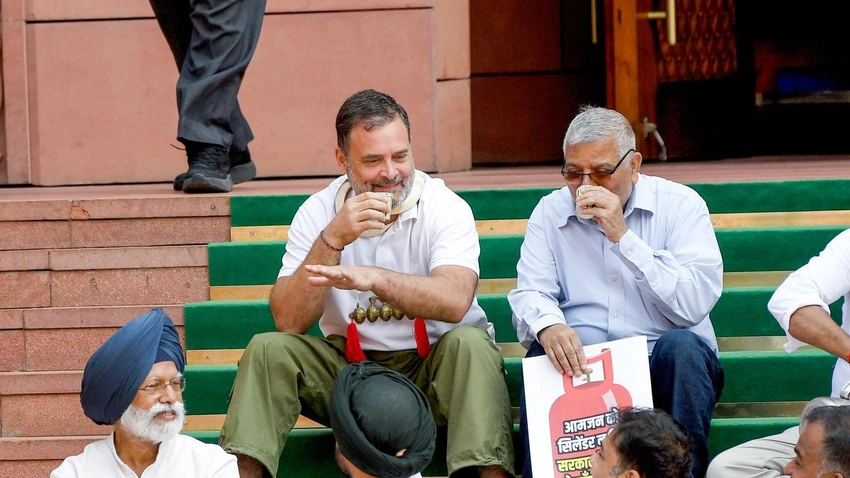
A wave of criticism has surfaced over Rahul Gandhi’s conduct inside Parliament after a March 12 episode that saw him sharing tea and snacks with colleagues on the steps during a protest at the Makar Dwar entrance. In a sharp response to questions about an open letter by senior bureaucrats, 84 former bureaucrats, 116 veterans and former lawyers signed on, urging Gandhi to apologise for what they described as a 'disregard for parliamentary authority' and not befitting a Leader of the Opposition. They argued that the incident underscored entitlement and theatrics that undermine the seriousness of parliamentary duties.
The signatories, led by a former Jammu and Kashmir DGP, SP Vaid, asserted that Gandhi’s behaviour during the protest displayed a level of entitlement and arrogance inconsistent with the responsibilities of his post. They emphasized the need for accountability, noting that the Parliament’s order against demonstrations inside its premises had been ignored. Reports said more than 200 signatories had joined this stance, reflecting a broad concern about decorum and leadership standards in Parliament.
Meanwhile, reactions to Gandhi’s actions and the letter have spilled into the public sphere, with comments and counter-comments across political and cultural lines. In a related development, actress Kangana Ranaut weighed in by calling Gandhi a “tapori” and suggesting his conduct “makes women uncomfortable.” Her remarks came in response to questions about the open letter and the parliamentary biscuit incident, adding a pop-culture twist to a high-stakes political controversy.
As the debate continues, supporters of Gandhi have argued that leadership styles and protest tactics should be contextualised within democratic discourse, while critics say the conduct in Parliament and public provocations threaten the dignity of the legislative space. The unfolding discussion highlights how actions inside and outside the House are being parsed for signals about accountability, tone, and the responsibilities of those who sit in opposition and leadership roles.
The incident has reignited conversations about parliamentary etiquette, accountability, and the boundaries of opposition politics, with some observers calling for a measured, constructive approach to address concerns while others push for stronger rebukes and formal apologies when standards are perceived to be breached.
