SC Mandates Fair Process in Citizenship Cases, Quashes 27 HC Orders

SC Mandates Fair Process in Citizenship Cases, Quashes 27 HC Orders
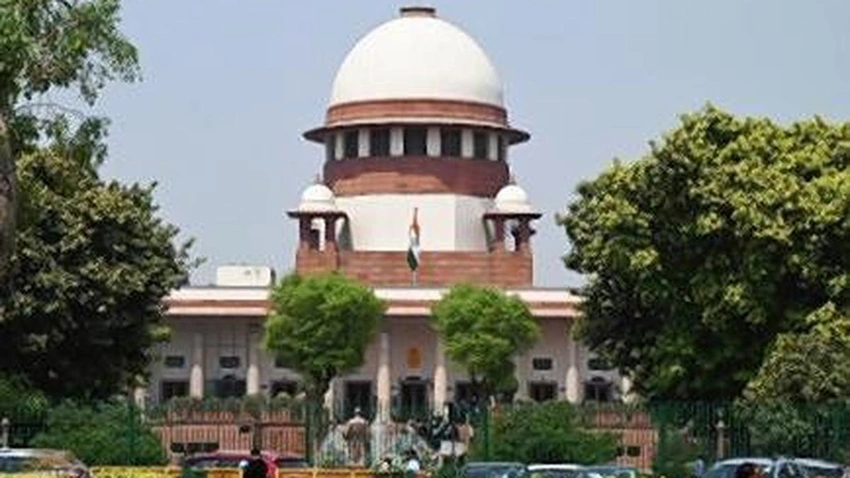
India's Supreme Court emphasizes fair procedure for citizenship determination, setting aside 27 Gauhati High Court rulings. A landmark decision upholding constitutional guarantees for all.
The Supreme Court of India on Monday, July 13, 2026, delivered a significant ruling, asserting that the determination of citizenship and foreigner status must strictly adhere to a “fair, lawful and reasoned” process. This landmark decision saw the apex court set aside a batch of 27 judgments from the Gauhati High Court, which had previously declared the appellants to be foreigners, and remanded these cases back to the respective Foreigners Tribunals for fresh adjudication.
A Bench comprising Justices Vikram Nath and Sandeep Mehta underscored the state’s legitimate interest in preventing individuals ineligible for Indian citizenship from obtaining it through false claims. However, they stressed that the “grave consequence” of being declared a foreigner necessitates a procedure that is fully compliant with constitutional guarantees. The court unequivocally stated, “A state action which is arbitrary cannot claim the protection of law merely because it is clothed in statutory form.”
The judgment, authored by Justice Nath, highlighted that any proceeding that could result in an individual being declared a foreigner cannot be sustained if the adopted procedure is “mechanical, one-sided, or devoid of application of mind.” The Supreme Court mandated that Tribunals must thoroughly examine whether the individual had a fair opportunity to present their case, if the main grounds against them were disclosed, whether the evidence presented supported the reference, and if the final conclusion logically followed from the material on record.
Critically, the High Court had previously dismissed appeals against the Foreigners Tribunals’ orders, primarily because the appellants had not appeared before the tribunals despite receiving notices. The High Court had reasoned that in the absence of any written statement, documents, or evidence from the appellants, the tribunals had “no option” but to affirm the references. The Supreme Court's ruling now challenges this mechanical approach, demanding a more robust and rights-protective process.
While the Supreme Court remanded these cases for fresh adjudication, it clarified that this action should not be interpreted as an affirmation of the appellants’ claims to Indian citizenship. Instead, the remand serves as a powerful directive for the Foreigners Tribunals to adopt a procedure that respects due process and constitutional rights, ensuring that no individual is arbitrarily stripped of their claim to belonging.
#SupremeCourt #CitizenshipRights #IndianJudiciary #JusticeForCitizens
