Why Are We Still Treating the Paralympics Like a Side Show?

Why Are We Still Treating the Paralympics Like a Side Show?
It is time to stop the highlight reel mentality. Paralympians like Ebba Årsjö are world-class athletes who deserve front-page coverage, not just a passing mention.
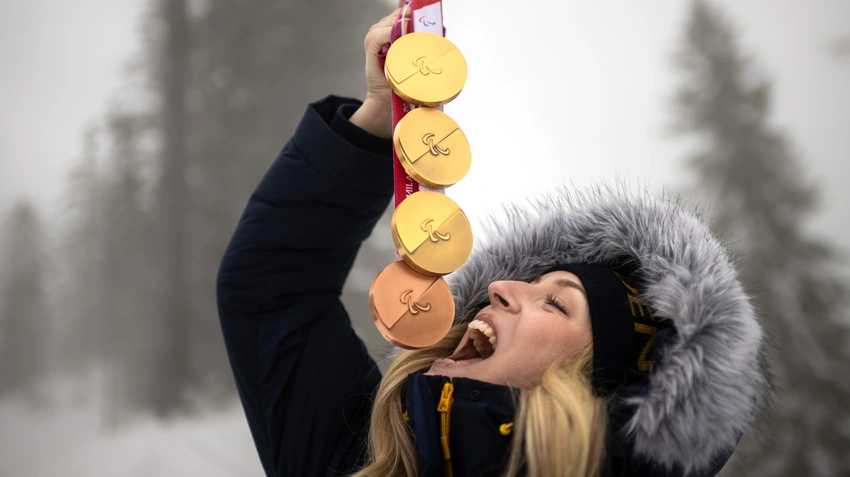
The image of Swedish skier Ebba Årsjö celebrating her gold and bronze medals is pure joy. She looks like any other world champion. She is biting her hardware and beaming for the cameras after a grueling week of Alpine events. But while we celebrate these moments, we have to ask a difficult question. Why do we only see these athletes in short snippets or photo of the day features?
The Visibility Gap
The Winter Paralympics are not just a heartwarming postscript to the main event. They represent the pinnacle of human endurance and technical skill. Yet, the media spotlight remains frustratingly dim compared to the saturated coverage given to the Olympics. This coverage bias matters because visibility is the lifeblood of professional sports. When we do not see these athletes on our screens, we fail to recognize their status as elite professionals.
Beyond the Inspiration Narrative
For too long, the media has framed athletes with disabilities through the lens of inspiration rather than raw talent. We see stories about overcoming adversity instead of deep dives into their training regimes or technical equipment. When we treat the Paralympics primarily as a human interest story, we diminish the actual athletic achievement. These are elite competitors who train just as hard as their able-bodied counterparts. They deserve technical analysis and play-by-play commentary that respects their craft.
The Economic Impact of Media Bias
Media coverage drives everything in modern sports. It brings in sponsors, boosts ticket sales, and inspires the next generation of athletes. When major networks relegate Paralympic events to late-night slots or digital-only streams, they send a message that these sports are secondary. This lack of prime-time exposure makes it harder for para-athletes to secure the endorsements they need to sustain their careers. This creates a cycle where lower visibility leads to lower funding, which limits the growth of the sport.
What Needs to Change
It is time for a shift in how we consume and produce sports media. We need a commitment to equality that goes beyond a few viral photos. We should expect:
- Prime-time broadcasts of major events rather than highlight packages.
- In-depth analysis of the technology and strategy involved in para-sports.
- Consistent coverage throughout the four-year cycle, not just during the Games.
Supporting athletes like Årsjö means more than just liking a photo. It means demanding that our media outlets treat their triumphs with the same weight and prestige as any other global sporting event. The gold medals taste just as sweet, and the world needs to see the work it took to win them.
