Quiet Inheritance: The Art World's Hidden Safety Nets

Quiet Inheritance: The Art World's Hidden Safety Nets
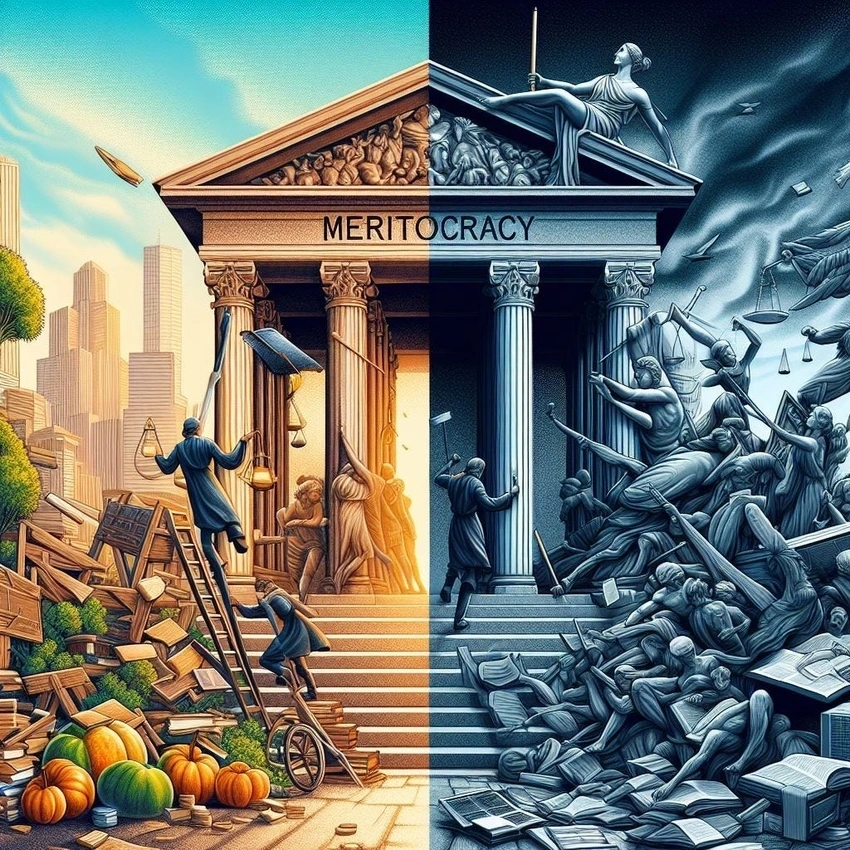
The arts often preach meritocracy, but what if success is also built on unseen advantages? Explore the quiet inheritances that shape creative careers and why we should care.
Quiet Inheritance: The Art World's Hidden Safety Nets
We love to champion the “struggling artist” narrative, a romanticized tale of pure talent battling adversity to emerge victorious. It feeds into the powerful myth of meritocracy, that hard work and brilliance alone guarantee success in the creative fields. But what if that narrative is, at best, incomplete, and at worst, actively misleading?
There's a quiet inheritance at play, an unseen web of privileges and safety nets that underpin many successful artistic careers, and it's time we talked about it.
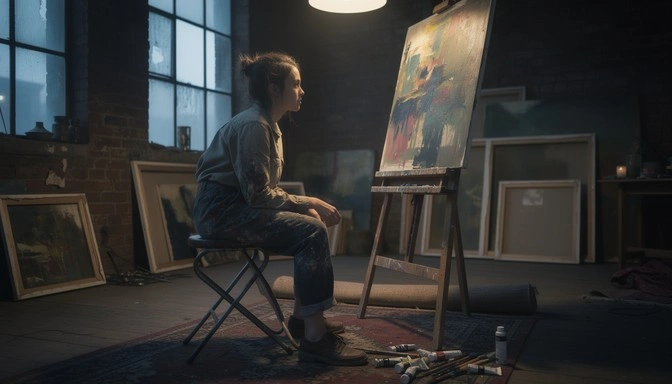
Beyond Talent: The Unseen Subsidies
This “quiet inheritance” isn't always about direct financial handouts, though that's certainly a part of it.
More often, it's about the lack of financial pressure.
It's the parents who can cover rent while you pursue unpaid internships, the family home that provides free accommodation, or the trust fund that allows you to experiment without needing a day job.
These resources buy the most precious commodity for any artist: time . Time to create, to network, to fail, and to learn, all without the existential dread of looming bills.
But it extends further. It's also cultural capital, early exposure to art, a curated education, fluency in the “language” of established institutions. It's the network of family friends in influential positions, opening doors that remain firmly shut to others.
These are the subtle, yet powerful, advantages that shape trajectories, often without the beneficiaries themselves fully realizing the immense privilege they possess.
They are the invisible scaffolding supporting creative aspirations.

The Echo Chamber Effect
Why does this matter? Because ignoring these quiet inheritances perpetuates an artistic landscape that is less diverse, less innovative, and ultimately, less reflective of society itself. When the path to creative success is implicitly limited to those with existing safety nets, we lose countless voices and perspectives.
We mistake privilege for genius, and systemic advantage for sheer grit.
This creates an echo chamber where a specific type of background and viewpoint dominates, often at the expense of true originality.
Critically, it reinforces the illusion that anyone can “make it” if they're just talented enough. This narrative can be deeply damaging, making those without these hidden advantages feel inadequate, or worse, making them believe their lack of success is a personal failing, rather than a systemic barrier.
We need to look beyond the spotlight and examine the foundations, because “true meritocracy demands we acknowledge every starting line, not just the finish.”

What Happens When We See the Strings?
Recognizing the role of quiet inheritance isn't about shaming individuals; it's about understanding the system.
It's about demanding more equitable access, challenging gatekeepers, and creating genuine pathways for talent from all backgrounds.
Only by acknowledging these unseen safety nets can we begin to dismantle them and build a truly inclusive, vibrant, and meritocratic arts world.