Urgent Call: Risk-Based Breast Cancer Screening Needed as Under-50s Cases Rise

Urgent Call: Risk-Based Breast Cancer Screening Needed as Under-50s Cases Rise
Breast cancer cases are soaring in women under 50, leading to urgent calls for the NHS to adopt risk-based screening. A new assessment could transform early detection & save lives!
Breast cancer cases are on the rise among women under the age of 50, prompting urgent calls for a significant overhaul of the current NHS screening programme. Charities and health professionals are pushing for a new, risk-based approach to mammograms, arguing that the existing system is missing crucial opportunities for early detection in younger individuals.
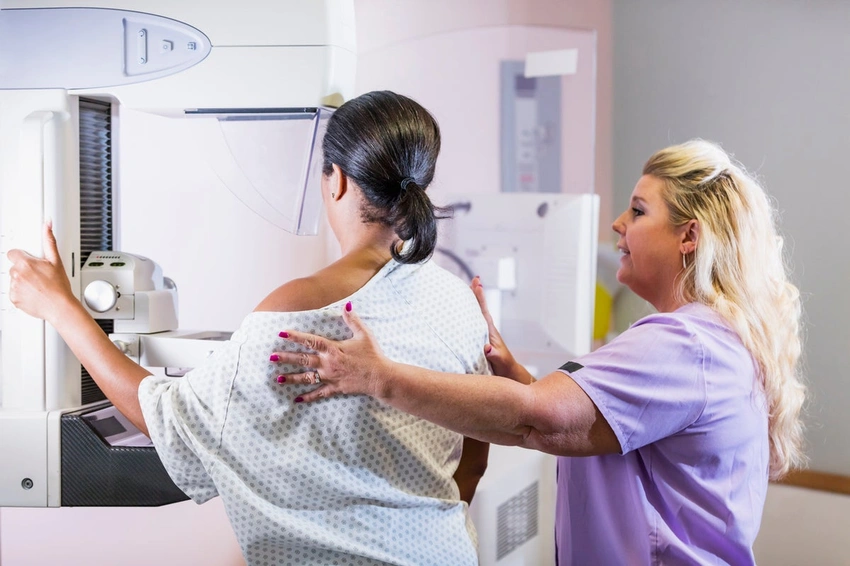
Currently, the NHS invites women for a mammogram – an X-ray of the breast – only from the age of 50, with routine screenings continuing until their 71st birthday. This policy, while aiming to target the age group with the highest incidence, is increasingly being questioned as statistics show a worrying trend of more cases emerging in younger women.
Charity CoppaFeel! has highlighted a critical issue: symptoms of breast cancer in women under 50 are being "routinely missed" by health professionals. This oversight can lead to delayed diagnoses, which are often vital for successful treatment outcomes. The charity advocates for a proactive change, proposing a "seven-minute risk assessment" to be adopted across the healthcare system.
This proposed assessment would identify individuals who might be at a higher risk of developing breast cancer earlier in life due to family history, genetic factors, or other predispositions. Identifying these at-risk individuals could then allow for earlier or more frequent breast screening, potentially catching cancers before they become more advanced and harder to treat.
The call for this new screening strategy underscores the evolving understanding of breast cancer demographics and the need for public health policies to adapt accordingly. Implementing a risk-based assessment could empower both patients and healthcare providers, ensuring that no woman, regardless of age, is left vulnerable due to outdated screening criteria.
