Democrats urge Europe to stand up to Trump at Munich security summit

Democrats urge Europe to stand up to Trump at Munich security summit
US Democrats press European leaders at Munich to resist Trump's 'wrecking ball' policy, highlighting a transatlantic divide over how to safeguard shared security interests.
US Democrats are heading to Munich for the annual security conference with a clear aim: urge European leaders to stand up to Donald Trump and resist what they call his 'wrecking ball' approach to foreign policy. The delegation features several of the party’s most vocal critics, including Gavin Newsom, Alexandria Ocasio-Cortez, Ruben Gallego and Gretchen Whitmer. The line-up contrasts with the US team led by Secretary of State Marco Rubio, highlighting a split within Washington about how to manage relations with a turbulent White House. European partners are listening closely, weighing how defiant they should be while preserving a workable partnership with Washington.
European capitals remain divided. Some leaders, notably Emmanuel Macron, are pushing for a tougher, more independent diplomacy to counter what organizers call Trump's 'wrecking-ball politics.' Others, including NATO's leadership, warn that preserving any degree of goodwill with Washington is essential for European security. The talk at Munich comes as questions linger about whether the U.S. and Europe still share common values after a year of mixed signals and controversial rhetoric.
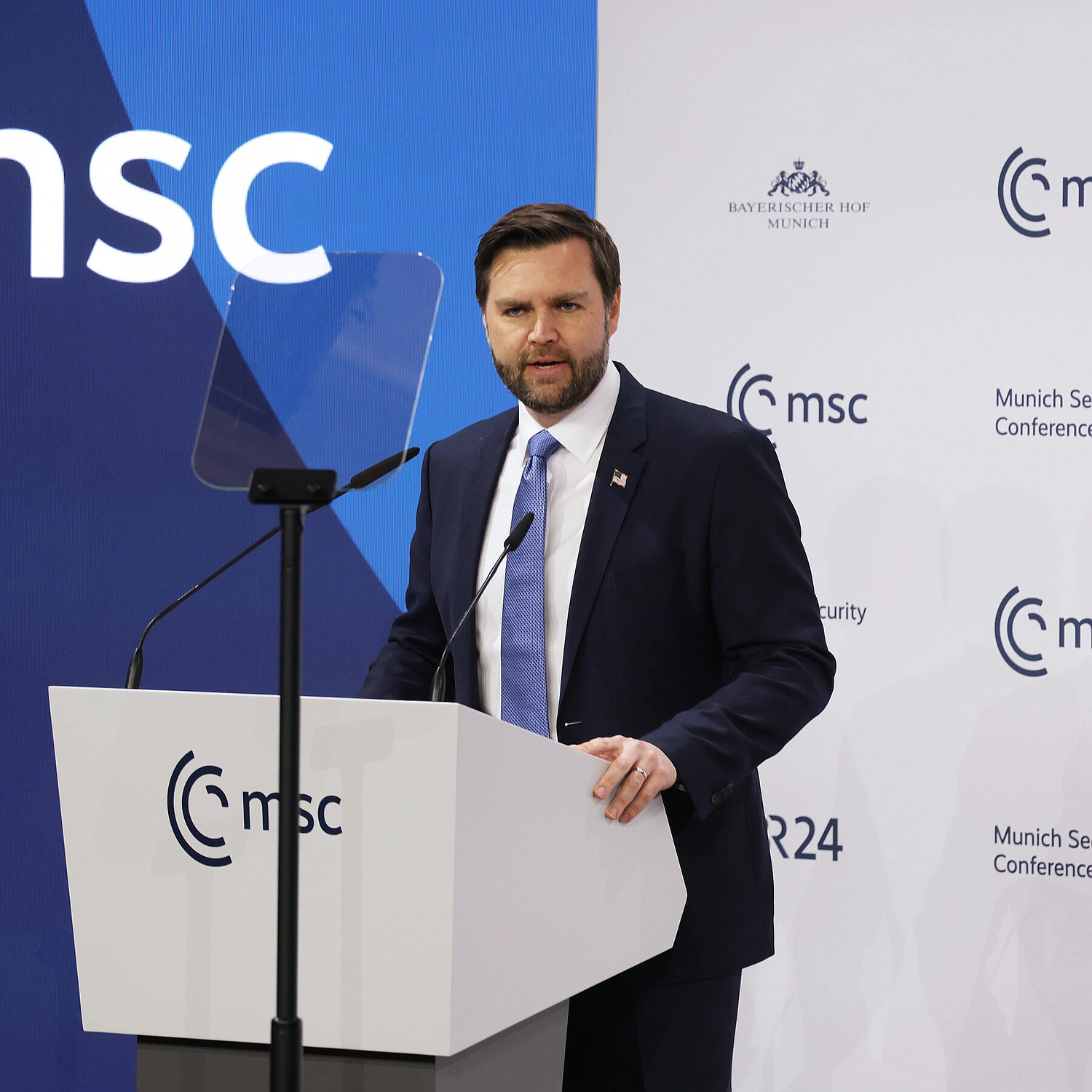
The debate was sparked by a speech last year by Vice President JD Vance that intensified questions about disengagement and the future of the U.S.-led alliance. Since then, Trump’s approach has kept allies on edge, with critics arguing that a disciplined, united stance is needed to safeguard Ukraine, Gaza-related issues, and the rules-based order. The Munich Security Conference is being framed as a test of whether Europe can mobilize a firmer stance without sacrificing a constructive partnership with Washington.
At stake are enduring commitments to NATO, defense cooperation, and the credibility of the transatlantic alliance in a rapidly shifting security landscape. The talks will illuminate whether European capitals can translate public rhetoric into coordinated policy action that supports shared security while resisting what some attendees describe as a destabilizing agenda. The event also shines a spotlight on the broader debate about how to balance alliance solidarity with independent, values-driven diplomacy.
Newsom has already warned that “groveling to Trump’s needs” makes European states “look pathetic on the world stage,” a jab heard across Davos and Munich. Gallego has been equally blunt, arguing that Trump’s approach risks destroying America’s global reputation and economic heft by replacing rational policy with petty theatrics. The questions now are whether Europe will stand firm, and what a resurgent, united front could mean for the future of the U.S.-EU alliance.
#MunichSecurityConference #StandUpToTrump #TransAtlanticRelations
