US Scientist Raises Alarm Over Russian Plague Incident & Bio-Weapons Concern

US Scientist Raises Alarm Over Russian Plague Incident & Bio-Weapons Concern
A US scientist sounds the alarm after reports of a deadly lab accident involving plague in Russia. Nearly 200 isolated, sparking fears of bioweapons implications. What's really happening?
Reports out of Russia have sparked significant concern globally following a tragic incident at an "anti-plague institute." A 28-year-old technician reportedly broke a tube containing a plague pathogen on September 25th and tragically passed away on October 1st or 2nd after developing severe pneumonia.
This alarming event has led to nearly 200 individuals being placed under medical isolation or observation. Authorities have swiftly initiated quarantine measures and begun contact tracing efforts in response. While Russian officials have not yet publicly confirmed pneumonic plague as the cause of her illness, the circumstances suggest a possible laboratory exposure involving Yersinia pestis , the bacterium responsible for plague.
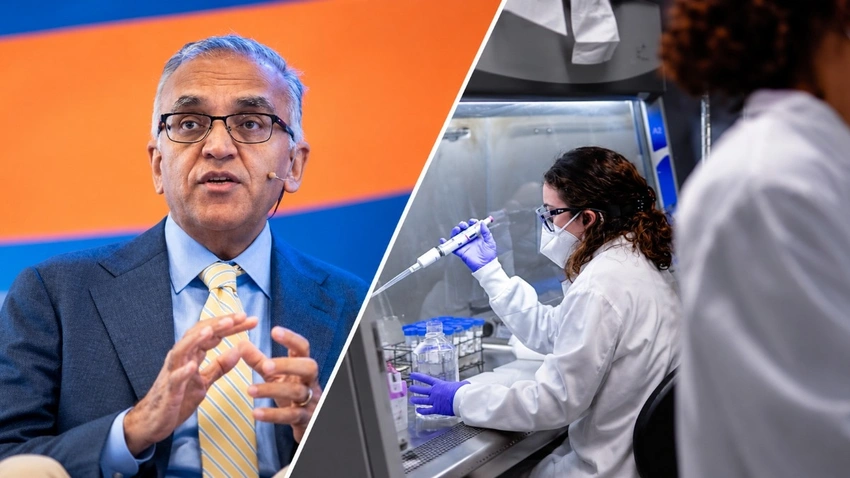
US scientist Ashish Jha, a biosecurity expert, has voiced profound concern over the incident.
He highlighted the potential gravity, especially given Russia's known history with an active military biological weapons program. Jha noted that US intelligence agencies have indicated Russia's program has been expanding substantially in recent years.
Further fueling Jha's alarm are reports of the FSB (Russia's security services) being involved in the response, even accompanying ambulances transporting potentially exposed individuals. Jha pointed out that such involvement suggests a situation far more serious than a routine natural outbreak or even a typical lab accident.
He clarified his concern isn't about Russia deliberately using a weapon, but rather an accidental release from an existing, covert program.
Jha drew parallels to the 1979 anthrax outbreak in Sverdlovsk, where spores escaped a Soviet military facility, leading to at least 66 deaths. He emphasized that in today's world, with more laboratories working with dangerous pathogens globally, such incidents could become more frequent.
This also comes at a time when AI and biological engineering capabilities are more widespread.
Calling for greater transparency, Jha urged Russian authorities to provide more detailed information about the events in Irkutsk. He stressed that governments worldwide must strengthen their biodefence measures, acknowledging that the full truth about such incidents might not always be disclosed.
