T. Rex 'Gus' Smashes Auction Record at $50.1M, Reclaims Dino King Crown!

T. Rex 'Gus' Smashes Auction Record at $50.1M, Reclaims Dino King Crown!
A massive T. rex skeleton named 'Gus' just sold for an astounding $50.1 million at Sotheby's, setting a new world record! But this booming fossil market raises concerns for scientific research. Dive into the dino-drama!
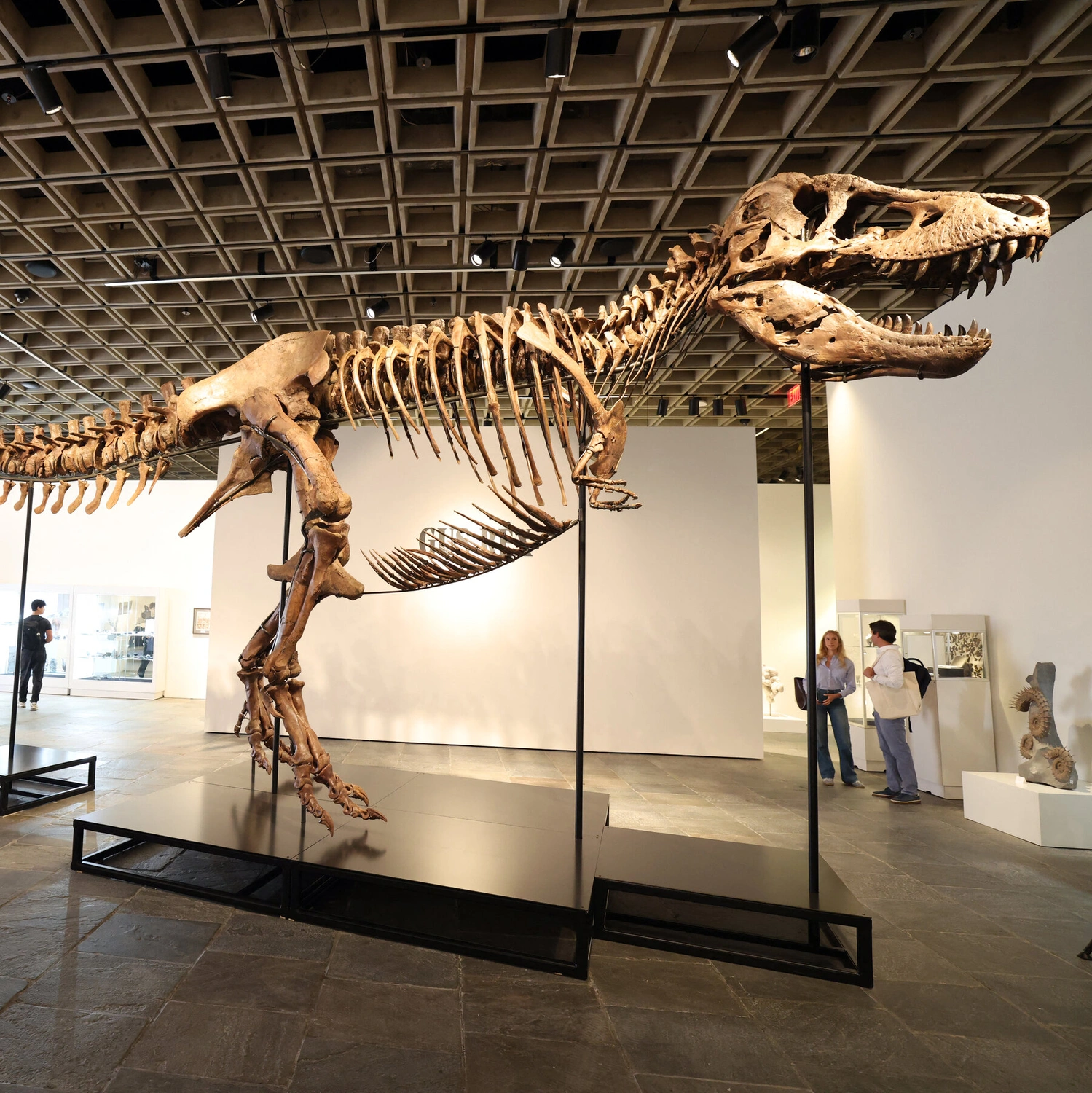
The world of paleontology and high-stakes auctions just witnessed a seismic event as a magnificent Tyrannosaurus rex skeleton, affectionately nicknamed 'Gus', roared back onto the scene, selling for a staggering $50.1 million. This record-breaking sale at Sotheby's in New York not only solidified the T. rex's reign as the king of dinosaurs but also highlighted the booming, yet contentious, private fossil market.
'Gus', a formidable 3.8-meter-tall T. rex estimated to be 67 million years old, surpassed the previous record held by 'Apex', a stegosaurus that sold for $44.6 million in 2024. The sale price for 'Gus' significantly exceeded its initial estimated range of $20 million to $30 million, demonstrating the intense desire among super-rich collectors for these ancient relics.
Discovered and excavated over three years starting in 2021 on a ranch in Harding County, South Dakota, 'Gus' was found by the commercial outfit Theropoda Expeditions. Field prospector Cole Jacobs vividly recalled spotting a metatarsal bone on his very first day searching. The skeleton's name is a tribute to Gary 'Gus' Licking, the landowner who passed away before the excavation was complete.
However, the thrill of such a monumental sale is shadowed by deep concerns from the scientific community. Palaeontologists have increasingly warned that the burgeoning market for dinosaur fossils, driven by private collectors, is actively harming crucial research. When specimens like 'Gus' enter private hands, they often become inaccessible to scientists for study, potentially locking away invaluable data that could advance our understanding of prehistoric life. The fear is that these unique, irreplaceable scientific assets are being treated as luxury commodities rather than public resources for knowledge.
This latest auction, while undeniably a spectacle, reignites the debate about the ethics of commercial fossil sales versus the imperatives of scientific preservation and accessibility. While 'Gus' now belongs to a new owner, its sale underscores the tension between private wealth and public science in the fascinating world of dinosaur discoveries.
