When Does 'Tweaking' a Classic Dish Go Too Far?

When Does 'Tweaking' a Classic Dish Go Too Far?
A culinary personality's controversial take on a beloved traditional dish sparked online outrage. Where do we draw the line between creative innovation and cultural culinary disrespect? Join the spicy debate!
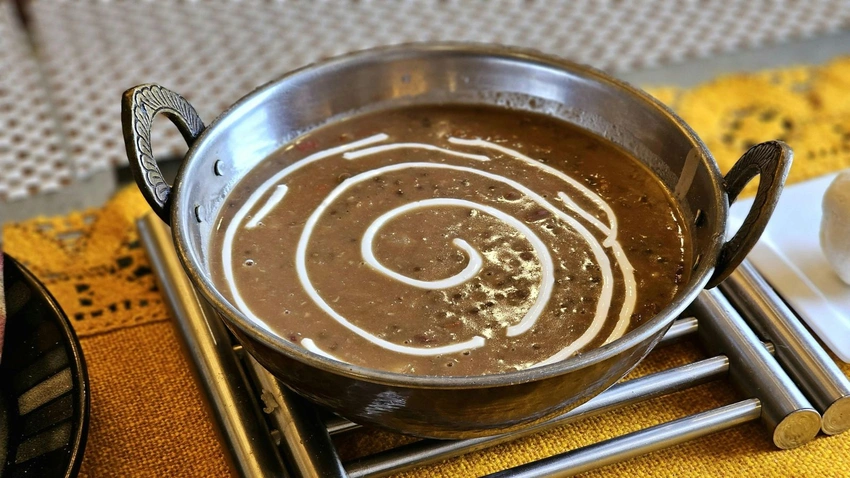
The internet is a wild and wonderful place, especially when it comes to food. Recently, we witnessed a culinary storm brewing over a celebrity chef's reinterpretation of a universally adored Indian lentil dish. The classic, slow-cooked delicacy, known for its rich, buttery, and utterly vegetarian nature, was presented with an unexpected twist: chicken stock cubes.
The chef, in their defense, was upfront about it being 'their version,' emphatically stating it wasn't authentic. Yet, the online community erupted. Comments poured in, lamenting the 'ruining' of a traditional dish, questioning the necessity of adding non-vegetarian elements to something intrinsically vegetarian, and suggesting the creation be renamed entirely.
This incident brings a simmering question to a full boil: When does culinary 'tweaking' cross the line from innovative to disrespectful? On one hand, food is an art form. Chefs are artists, and innovation is often the birthplace of new classics. To stifle creativity entirely would be to freeze cuisine in time, preventing evolution and exciting fusion.
However, traditional dishes, especially those deeply embedded in a culture's identity like the aforementioned lentil stew, carry a weight of history, sentiment, and specific culinary principles. They are often defined by their ingredients, cooking methods, and even their intended dietary restrictions. For many, altering a core element – like making a traditionally vegetarian dish non-vegetarian – isn't just a creative tweak; it's a fundamental misunderstanding or disregard of its essence.
Is it about labeling? If the chef had called it 'Chicken Stock Lentil Stew' instead of 'My Version of [Traditional Dish Name],' would the reception have been different? Perhaps. The issue often seems to stem from invoking the name of a beloved classic while drastically departing from its defining characteristics.
Ultimately, there's a delicate balance. Creativity should thrive, but so should respect for culinary heritage. Maybe the 'line' is drawn where a dish becomes unrecognizable to its origins, or where the change fundamentally alters its cultural or dietary identity. What are your thoughts? When does culinary innovation go too far?
