Two Former Israeli Premiers Unite to Challenge Netanyahu in Elections

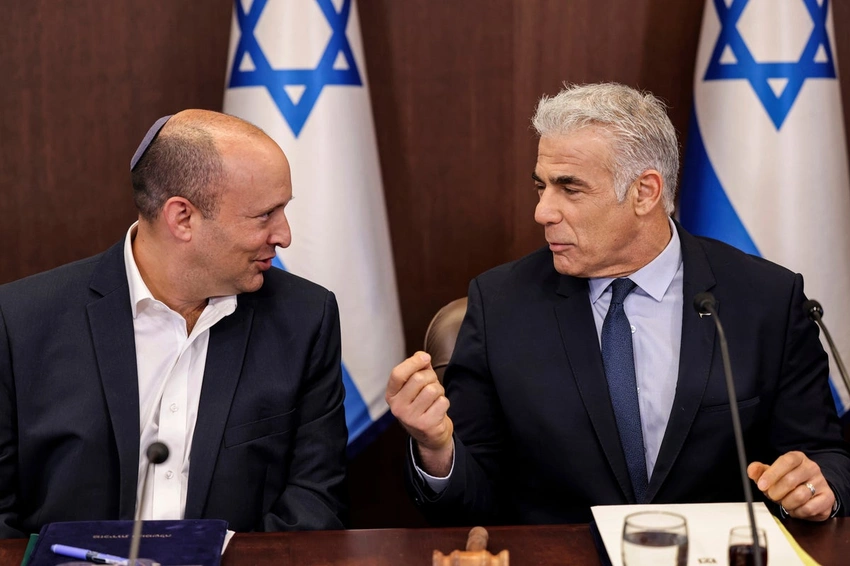
Two Former Israeli Premiers Unite to Challenge Netanyahu in Elections
Two former Israeli prime ministers merge their parties to form a united front against Netanyahu, signaling a major realignment ahead of the elections.
Two former Israeli prime ministers Naftali Bennett and Yair Lapid announced they will merge their parties to form a united front against Prime Minister Benjamin Netanyahu in the upcoming parliamentary elections. The move signals a major realignment in Israeli politics and aims to pool resources, volunteers, and voter support for a tougher challenge to Netanyahu's long-standing leadership.
Bennett, who led a right-wing party, and Lapid, the centrist former finance minister and head of Yesh Atid, have long been political rivals who briefly combined forces in a coalition that ended Netanyahu's most recent run. Their decision to join forces publicly elevates the likelihood of a consolidated opposition in the next ballot.
Officials described the alliance as a strategic effort to avoid vote splitting and to mount a credible alternative to Netanyahu, who has faced criticism over his governance and his handling of recent conflicts. The union underscores how opposition leaders are recalibrating after historic shifts in coalition dynamics.
Details of the merger, including how a joint list will be structured and who would lead the ticket, are expected to be announced in the coming days. The move could redraw the campaign map, forcing Netanyahu's Likud to contend with a stronger, unified challenge on multiple fronts.
Analysts note that while the pledge to act as a united front improves the opposition's prospects, much will depend on voter turnout and the ability to persuade core supporters of both leaders to back a single list. The election remains several months away, and the political landscape could shift again before ballots are cast.
For many Israelis, the alliance raises questions about how the new platform will address security, economic issues, and the government's regional posture. It also reinforces a trend toward coalition-building in a fragmented political system where small parties can have outsized influence. Netanyahu's Likud party, meanwhile, is preparing a campaign anchored in security and stability, hoping to capitalize on public concerns during times of tension.
