Bridgerton and the Beauty of Being Chosen Intentionally

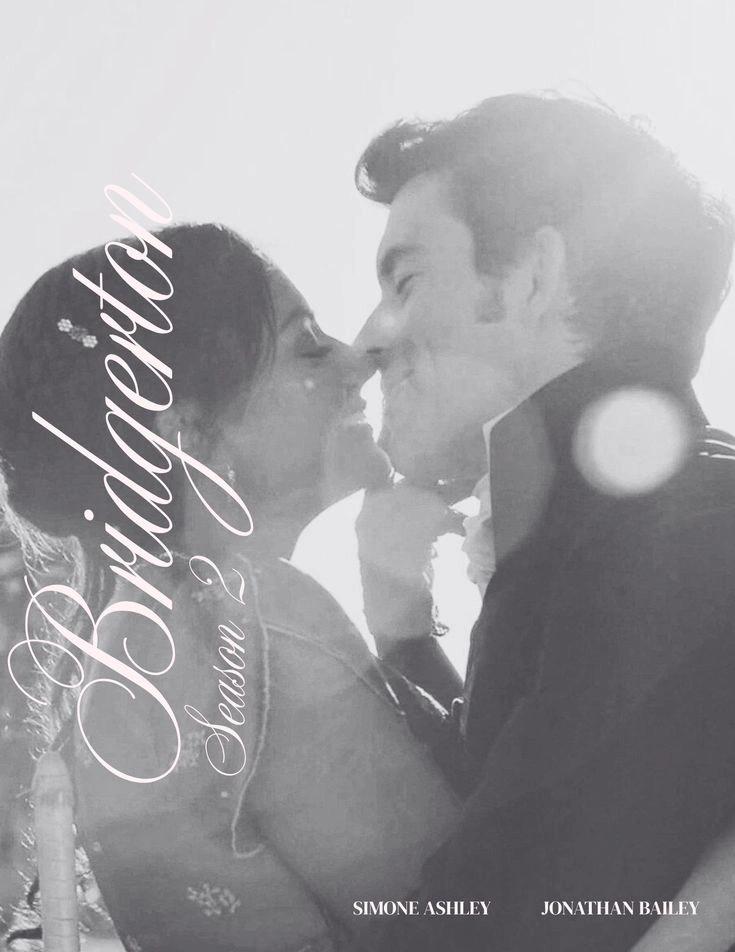
Bridgerton and the Beauty of Being Chosen Intentionally
Bridgerton and the Beauty of Being Chosen Intentionally
There is something really deeply compelling about the way love is portrayed in Bridgerton. It is not only the grand ballrooms, orchestral music, handwritten letters, and elaborate gowns that keep viewers emotionally invested. Beneath the aesthetic beauty of the series lies something much more powerful: the repeated idea that love becomes meaningful when it is intentional.
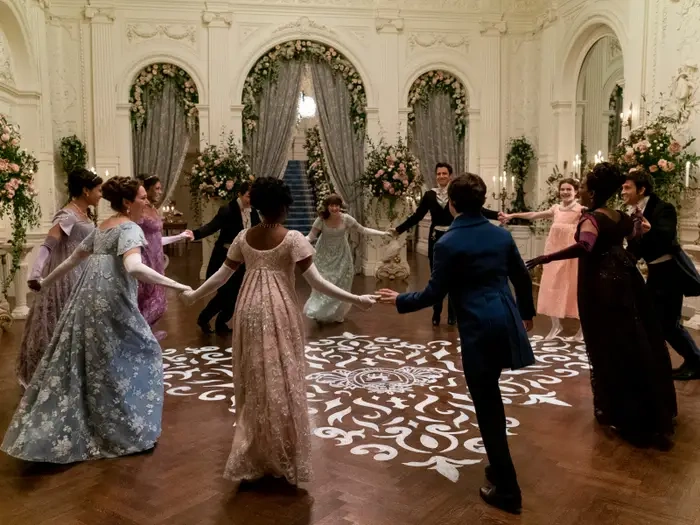
In a world shaped by fast communication, uncertain conversations, half-defined relationships, and affection that often arrives mixed with hesitation, Bridgerton offers a version of romance built on clarity. Even amid its dramatic conflicts, the series repeatedly returns to one idea: being deliberately chosen matters more than being wanted casually.
That is why so many viewers connect so strongly to its love stories. The series does not simply show attraction; it shows decision.
Modern love often exists in ambiguity. People may talk daily without commitment, care without defining, stay emotionally close while remaining uncertain. In contrast, the world of Bridgerton is built around intention. Courtship, despite its restrictions, creates emotional seriousness. Feelings cannot remain indefinitely vague because eventually someone must step forward and declare what they mean.
This is where the beauty begins.
To be chosen intentionally is different from merely being admired. Admiration can be temporary, impulsive, even inconsistent. Intentional choice carries responsibility. It says: I see who you are, I understand what choosing you means, and I choose you with awareness.
That emotional distinction appears clearly across the series.
When Anthony Bridgerton struggles with duty, fear, and vulnerability, his eventual love story becomes powerful not because attraction was absent before, but because choosing love requires him to move beyond control. His connection with Kate Sharma is intense precisely because neither of them is simply looking for attention. Their story is built on restraint, conflict, and the gradual recognition that true choice asks for emotional courage.
What makes their relationship memorable is not only chemistry, but intention. By the time love is acknowledged, it carries weight because both characters understand what they are risking emotionally.
Similarly, in earlier seasons, the emotional impact of commitment comes from the movement between uncertainty and clarity. Characters may resist, misunderstand, or hide feelings, but eventually the strongest moments always arrive when someone stops avoiding truth and chooses openly.
This is perhaps why Bridgerton feels so emotionally satisfying even when dramatic. It restores seriousness to affection.
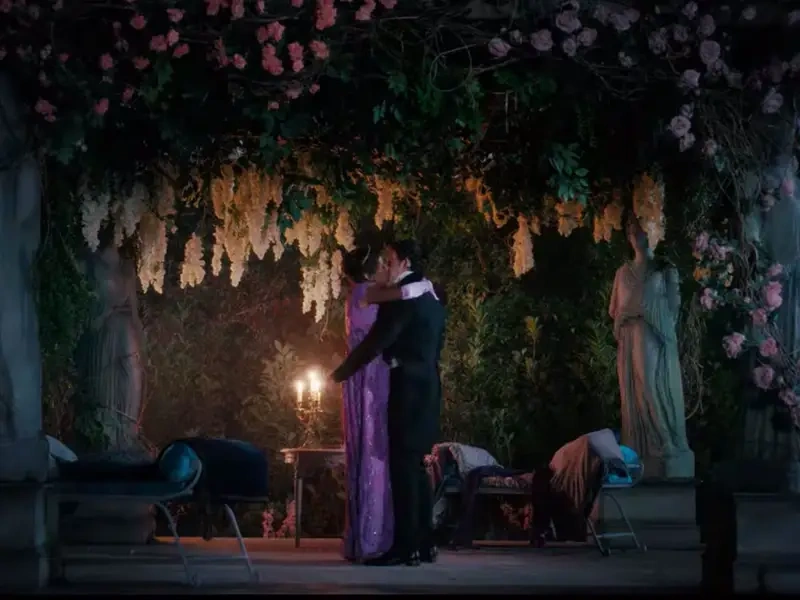
There is also beauty in how the series portrays being chosen not only for beauty or status, but for specific qualities. Characters are often drawn to wit, resilience, intellect, honesty, vulnerability: qualities that make attraction feel deeply personal.
For example, Penelope Featherington represents a different but equally meaningful version of intentional love. Her story reflects the pain of invisibility and the longing not merely to be noticed, but to be truly seen. Her emotional appeal lies in the universal desire to be chosen not as an afterthought, but as someone fully recognized.
That distinction resonates strongly because many people understand the difference between being temporarily appreciated and intentionally valued.
To be chosen intentionally means not needing to compete endlessly for emotional certainty.
It means someone is not simply drawn to your presence, but committed to understanding your mind, your contradictions, your strengths, and your vulnerabilities.
A choice spoken clearly becomes beautiful because it removes doubt.
And perhaps this is why the series remains so culturally powerful. Beneath its costumes and music, it offers something many viewers quietly miss: love that is not afraid to define itself.
Being chosen intentionally does not mean love becomes easy. Even in Bridgerton, love remains complicated by fear, timing, and personal history. But intention changes how love feels. It transforms affection from uncertainty into trust.
That emotional shift matters deeply.
Because being chosen intentionally is not simply hearing “I want you.” It is hearing, in one form or another: I know what this means, and I still choose you.
In a world where many relationships begin with hesitation and disappear without explanation, that kind of deliberate choice feels almost radical.
And perhaps that is why Bridgerton continues to feel beautiful, not because it promises perfect romance, but because it reminds us that clarity itself can be one of the most romantic things a person offers.
