Petrol Crosses ₹100! Why Your Daily Commute and Groceries Just Got More Expensive

Petrol Crosses ₹100! Why Your Daily Commute and Groceries Just Got More Expensive
Fuel prices are soaring across India as the global energy crisis hits home. From Delhi to Chennai, find out how the latest petrol hike is impacting your wallet and daily life.
Living in the city is getting significantly more expensive as petrol prices have officially crossed the ₹100 mark in Delhi. This latest hike, which saw fuel costs jump by ₹2, is part of a series of increases triggered by the ongoing global energy crisis. With the Iran war disrupting supply lines, the impact is being felt right at the local petrol pump and, eventually, in every household budget across the country.
In places like Tamil Nadu, the situation is even more pressing. Prices in Chennai have reached over ₹105 for petrol and nearly ₹97 for diesel. This isn't just about the cost of filling up a tank; it's a ripple effect that touches everything. For those who rely on their vehicles for a living, like bike taxi drivers, the rising costs are forcing tough choices. Many are reporting that after paying for fuel, there’s barely enough left to cover three meals a day, leading some to skip meals just to keep their businesses running.
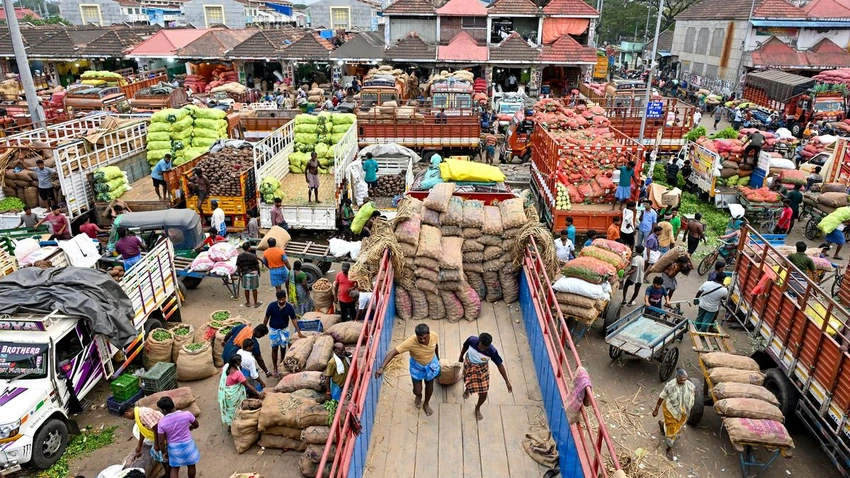
The pain doesn't stop at the pump. Because transport costs have gone up, the price of groceries and restaurant meals is following suit. From roadside eateries to large food chains, businesses are quietly raising their rates to stay afloat. To make matters worse, there are growing reports of delays in LPG cylinder deliveries, adding another layer of stress for families already struggling with stagnant incomes.
Looking ahead, the news isn't very comforting. Major fuel retailers have indicated that further price hikes might be inevitable if the international crisis continues. While the government is looking into diversifying oil sources and pushing for green energy, the immediate reality for the average citizen is one of austerity. Forecasts suggest that fuel demand might even slow down as people cut back on discretionary travel and look for ways to save every rupee possible in these challenging times.
