Hyperpop: The Sound of Everything Turned Up Too Far

Hyperpop: The Sound of Everything Turned Up Too Far
Hyperpop: The Sound of Everything Turned Up Too Far
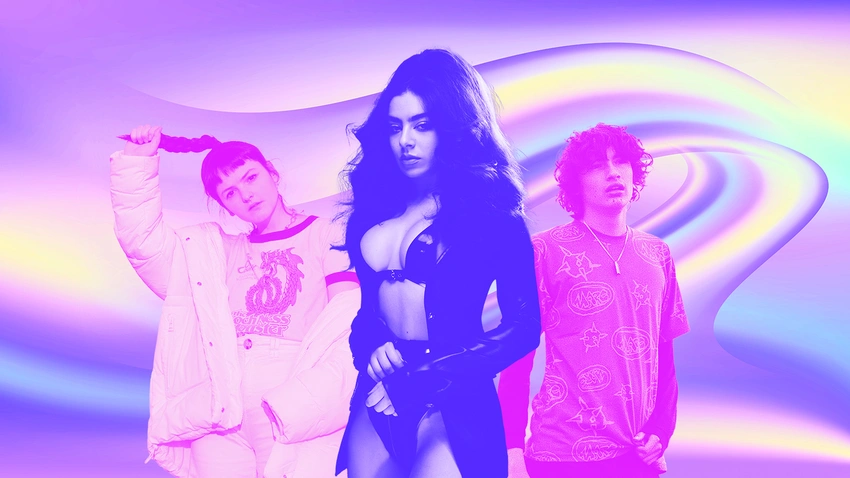
Hyperpop pushes pop beyond the familiar: pitch-shifted vocals, glitchy beats, and maximalist hooks born online with PC Music. A quick guide to the sound that feels electric and uncanny.
Hyperpop is less a genre you can neatly define and more a sonic overload you recognise instantly. At its core, it is a form of experimental pop that takes familiar elements like hooks, choruses, emotional immediacy and pushes them into excess. Think pitch-shifted vocals that sound almost synthetic, glitchy production, distorted bass, and melodies that feel both euphoric and abrasive at once.
It thrives on maximalism. Where traditional pop refines, hyperpop exaggerates. It stretches the idea of “catchy” until it becomes uncanny. The result is a dense, high-energy soundscape that can feel chaotic but is often meticulously constructed.
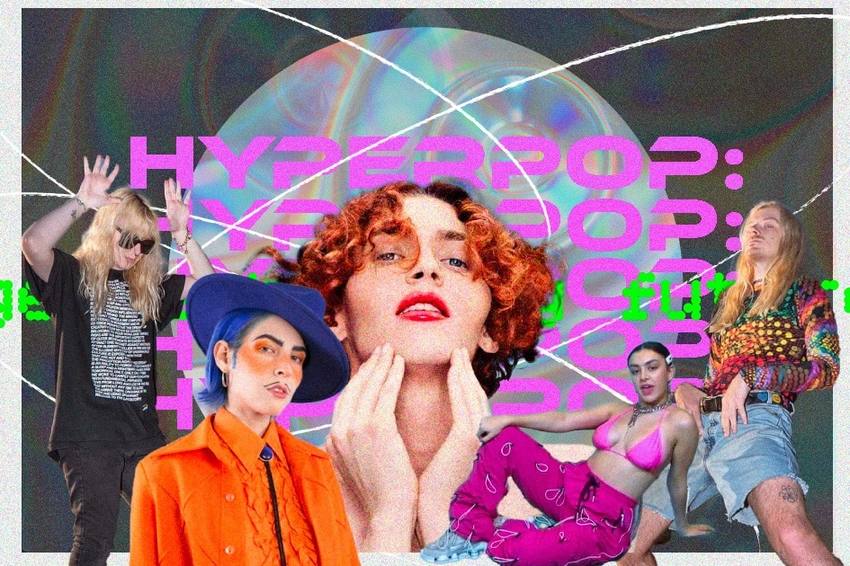
But describing hyperpop purely in sonic terms misses the point. It is not just a sound. It is a sensibility.
Born online, not in studios
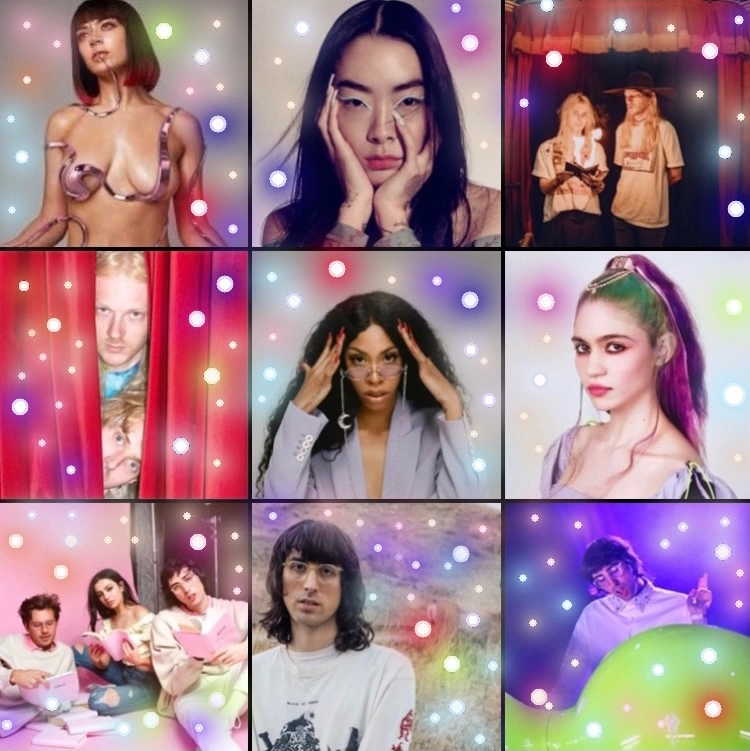
Unlike older genres tied to geography grunge in Seattle, punk in London, hyperpop emerged from the internet. Its roots trace back to the early 2010s, particularly around the London-based collective PC Music, led by producer A. G. Cook, alongside artists like SOPHIE and Hannah Diamond.
This origin matters. Hyperpop is one of the first genres shaped almost entirely by digital culture: SoundCloud uploads, Discord communities, algorithmic playlists, and TikTok virality. It is music made in bedrooms, circulated through memes, and consumed in fragments.
By the late 2010s, the term “hyperpop” gained traction through streaming platforms, especially Spotify playlists that grouped together artists whose work resisted easy categorisation.
In other words, hyperpop did not emerge as a coherent movement. It was labelled into existence.
A genre that resists being a genre
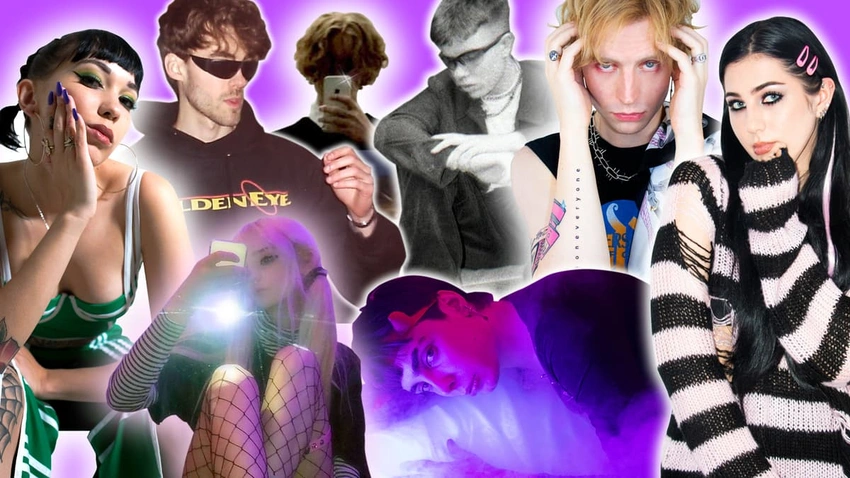
One of the most intriguing aspects of hyperpop is its refusal to stabilise. It blends electronic music, hip-hop, pop, rock, and avant-garde experimentation without committing to any single tradition.
This hybridity is not incidental. It reflects a broader shift in how music is made and consumed in the digital age. Genres, once gatekept by industry structures, now dissolve into playlists and algorithms. Hyperpop embraces this collapse.
It is often described as a “microgenre,” but even that feels insufficient. Artists associated with it frequently reject the label altogether, seeing it as reductive or imposed.
Perhaps the most accurate way to understand hyperpop is as a placeholder term for music that is intentionally excessive, self-aware, and digitally native.
The aesthetics of artificiality
Hyperpop is deeply invested in artificiality. Vocals are processed until they become alien. Emotions are heightened to the point of parody. The music often feels like it is aware of itself as performance.
This is where hyperpop becomes culturally interesting. It does not simply critique pop music; it amplifies its most “fake” elements like auto-tune, gloss, repetition until they become expressive in new ways. Some have even described it as exaggerating pop’s clichés into something almost abstract.
There is also a strong connection to queer culture and online identity formation. Hyperpop frequently explores themes of self-construction, fluid identity, and digital intimacy.
In that sense, its artificiality is not emptiness. It is a method of expression suited to an era where identity itself is mediated through screens.
Hyperpop and the logic of the internet
To understand hyperpop fully, one has to situate it within the broader logic of internet culture. It mirrors the experience of being online: fragmented, overstimulating, ironic, and emotionally intense.
The music’s rapid shifts in tone and texture resemble scrolling through feeds jumping from sincerity to absurdity within seconds. Its humour often feels memetic, its references fleeting.
This is why hyperpop resonated so strongly during the late 2010s and early 2020s, particularly among Gen Z audiences. It captured the affective atmosphere of life mediated by algorithms and platforms.
It is not just music you listen to. It is music that feels like the internet sounds.
The rise, the backlash, the afterlife
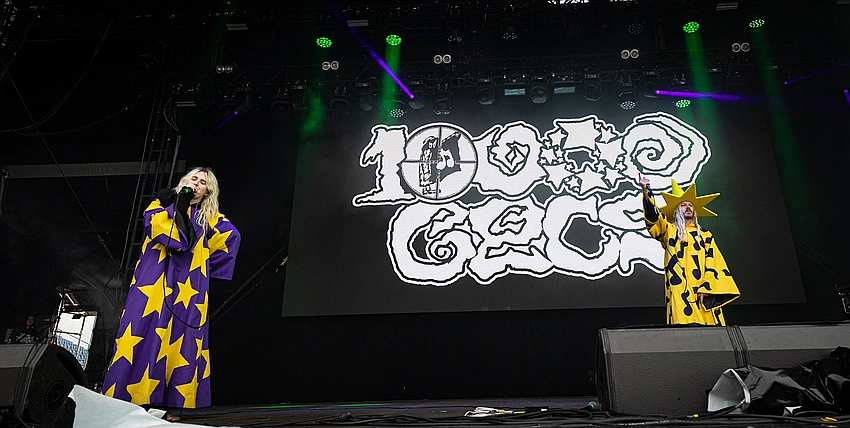
Hyperpop’s mainstream visibility peaked around 2019–2021, propelled by viral tracks and platform-driven exposure. Artists like 100 gecs became emblematic of its chaotic energy, while others blurred its boundaries further.
Yet, almost as quickly as it rose, the label began to fracture. Some artists distanced themselves from the term, and critics questioned whether it had ever been a coherent genre at all.
Still, declaring hyperpop “over” would be misleading. Its influence persists across contemporary music, from experimental rap to electronic pop. Many of its stylistic traits distortion, vocal manipulation, genre fluidity have seeped into the mainstream.
Hyperpop may no longer function as a unified scene, but it has permanently altered the soundscape of popular music.
Hyperpop is what happens when pop music becomes self-aware in the age of the internet. It is not a stable category but a shifting constellation of sounds and practices. A genre that questions the idea of genre.
And perhaps that is why it feels so contemporary. Because to listen to hyperpop is, in some strange way, to listen to the digital present itself.
