War Deepens Lebanon’s Economic Crisis as Jobs Vanish and Prices Soar

War Deepens Lebanon’s Economic Crisis as Jobs Vanish and Prices Soar
Fighting and regional shocks push Lebanon deeper into economic distress, with bank losses and a collapsing currency battering livelihoods.
Beirut woke to a different kind of rubble: a bulldozer clearing the remains of a sports clothing shop that once drew local shoppers and sporting teams. The owner watched as shelves were torn down and the chance to reopen seemed farther away with every passing day. He ponders rebuilding in the southern suburbs, but the cost of mannequins, hangers, and accessories has leapt, complicating any plan to pass the business on to his children. Everything is expensive, and the reality goes beyond fear of more airstrikes.
Across the country, economic shockwaves from ongoing conflicts and regional tensions compound Lebanon's long-running crisis. World Bank estimates place losses in the financial sector at about $70 billion, with roughly $11 billion connected to the 2024 war between Israel and Hezbollah. The Lebanese pound has lost more than 90% of its value against the dollar since 2019, and banking collapses have evaporated depositors’ savings, pushing about half of the population into poverty. Inflation, shortages, and a slow business climate have become the new normal.
Markets that used to move on predictable rules now resemble unregulated terrain where prices jump and borrowing remains hard. The economy minister calls the situation existential, while many small businesses try to stay afloat with slimmer margins and higher costs for supplies. The closures in Beirut's southern districts illustrate a broader pattern: once-thriving streets still bear the scars of past conflicts, and rebuilding is not just about bricks but about reviving a shaken confidence among buyers and sellers.
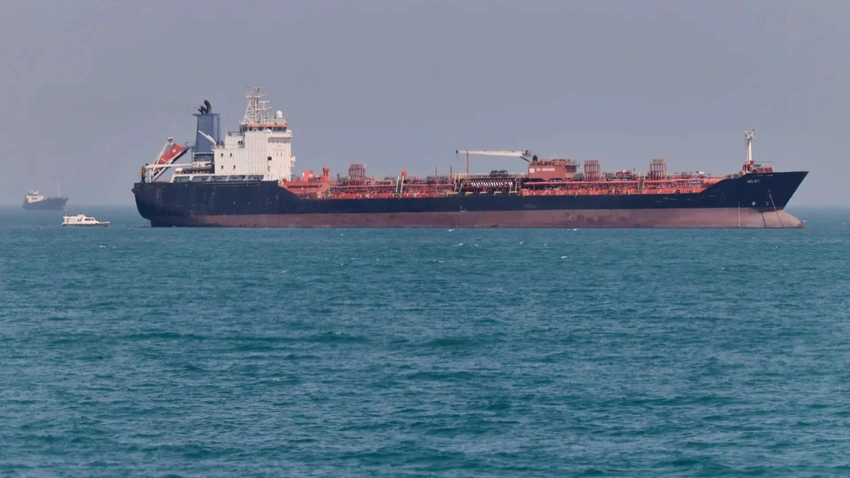
With a fragile ceasefire and global tensions affecting trade routes, the risk of more disruptions lingers as the Strait of Hormuz remains a flashpoint for regional powers. For Beirut's shop owners, the priority is simply surviving long enough to dream again of a clearer horizon and a steady path back to work.
