Why Your Skin Breaks Out More During “Healing” Phases
Why Your Skin Breaks Out More During “Healing” Phases
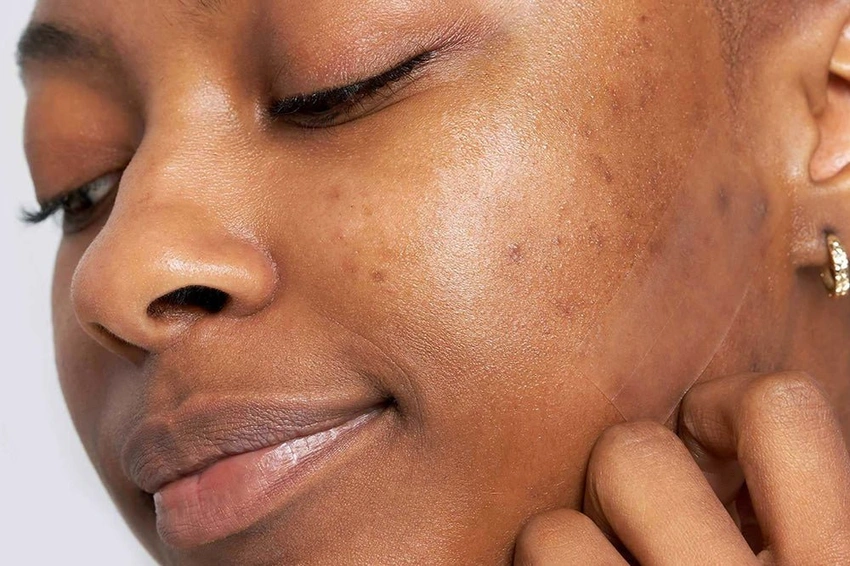
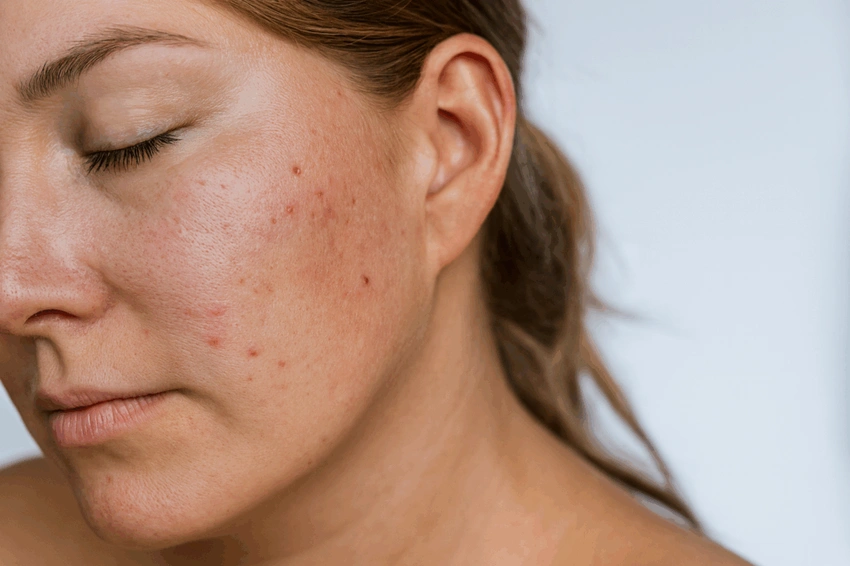
For many people, the most confusing part of skincare is not the breakout itself. It is the period after starting a new routine, when skin suddenly feels unpredictable. Tiny bumps appear overnight, oily areas become dry, and acne marks seem darker than before. This stage often makes people abandon products too early. But what many do not realize is that skin goes through adjustment cycles before true balance begins. A carefully chosen routine with a pore minimizing face serum 🔗 can help support this transition without overwhelming the skin.
Modern skincare conversations are finally moving beyond the idea of “perfect skin instantly.” Instead, people are learning how skin behaves during recovery. Acne prone skin is not static. It changes according to weather, hormones, stress, sleep, pollution, diet, and even emotional burnout. That is why today’s routines are becoming less aggressive and more adaptive.
The skincare industry has also evolved dramatically in the last few years. Instead of treating acne like a single problem, brands are now addressing multiple concerns together:
- Oil imbalance
- Enlarged pores
- Barrier damage
- Acne marks
- Sensitivity
- Uneven texture
- Dehydration
This holistic understanding is helping consumers create routines that feel sustainable instead of exhausting.
Why “Healing Breakouts” Happen More Often Than People Think
One reason people panic during skincare transitions is because skin renewal takes time. When active ingredients begin clearing congestion underneath the surface, breakouts can temporarily appear more visible before calming down.
This does not always mean a product is bad. Sometimes it simply means the skin is adjusting.
The problem is that many consumers respond to this phase by overusing treatments:
- Washing too frequently
- Layering multiple acids
- Skipping moisturizer
- Applying spot treatments excessively
- Avoiding sunscreen
Ironically, these habits often worsen inflammation.
Modern acne care focuses more on controlled healing rather than rapid drying. Gentle routines are proving far more effective for long term clarity because they allow the skin barrier to recover while active ingredients work gradually.
The Emotional Exhaustion of “Trying Everything”
One of the least discussed aspects of acne is decision fatigue. Many people spend years constantly switching products because they believe the next cleanser, serum, or treatment will finally “fix” their skin permanently.
But skin rarely responds well to chaos.
A consistent routine creates predictability, which is extremely important for acne prone skin. Repeatedly introducing harsh ingredients or constantly changing products can keep the skin in a state of irritation.
This is why simplified but targeted skincare routines are becoming more popular:
- A gentle cleanser
- One corrective serum
- A barrier supportive moisturizer
- Daily sunscreen
- Targeted spot care when needed
Consumers are learning that consistency often outperforms intensity.
Why Pores Become More Visible During Stress
Stress has a surprising effect on skin behavior. Cortisol fluctuations can increase oil production, inflammation, and sensitivity simultaneously. This often makes pores appear larger and skin texture rougher.
Interestingly, many people confuse stressed skin with dirty skin.
In reality, over cleansing can strip the skin barrier and worsen oil imbalance. This is why modern skincare products increasingly focus on maintaining hydration even for oily skin types.
Consumers today are also paying closer attention to ingredients like:
- Niacinamide
- Zinc PCA
- Salicylic acid
- Cica
- Ceramides
- Prebiotic complexes
These ingredients are popular because they help calm skin while supporting long term balance rather than causing aggressive dryness.
The Link Between Acne Marks and Inflammation
People often focus entirely on active pimples while ignoring inflammation underneath the skin. But inflammation is actually what contributes heavily to long lasting marks and uneven tone.
Even touching or picking at acne can deepen post inflammatory pigmentation.
According to the American Academy of Dermatology, acne affects approximately 50 million Americans annually, making it one of the most common skin conditions worldwide. Dermatologists also note that untreated inflammation and picking behaviors significantly increase the likelihood of post acne marks and scarring.
This explains why protective skincare products are becoming more popular than aggressive treatments. Instead of forcing pimples to disappear overnight, consumers are choosing products that reduce irritation while supporting recovery gradually.
Why Acne Patches Changed the Way People Treat Breakouts
Acne patches became globally popular because they changed the psychology of breakout treatment.
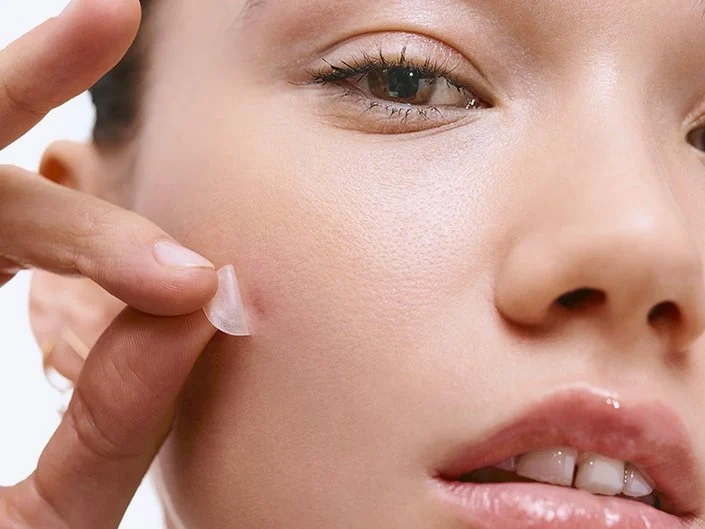
Instead of squeezing or constantly touching pimples, people now cover them protectively. This small behavioral shift has had a surprisingly large impact on skin recovery.
Hydrocolloid technology helps absorb excess fluid while protecting the breakout from bacteria, friction, and touching. Many users also find patches emotionally reassuring because they feel proactive rather than helpless during flare ups.
Modern acne patches now come in multiple formats:
- Invisible daytime patches
- Overnight recovery patches
- Large coverage patches
- Salicylic acid infused patches
- Makeup friendly patches
The category continues growing because consumers value convenience and discreet treatment options.
Why Moisturizer Became Essential for Oily Skin
For years, oily skin users were told to avoid moisturizers completely. This misunderstanding created routines filled with harsh cleansers and drying spot treatments.
Today, skincare science understands oily skin differently.
When skin becomes dehydrated, it can actually produce more oil to compensate. This creates a cycle of:
- Excess shine
- Congestion
- Sensitivity
- Irritation
- Breakouts
That is why lightweight barrier focused moisturizers are now central to acne routines.
Consumers increasingly look for moisturizers that are:
- Non comedogenic
- Lightweight
- Fast absorbing
- Barrier supportive
- Humidity friendly
- Suitable for sensitive skin
The goal is no longer to completely “remove oil” from the skin. It is to create balance.
Why Sunscreen Is Quietly the Most Important Acne Product
One of the biggest reasons acne marks linger for months is UV exposure. Even mild sun exposure can darken post acne pigmentation and slow healing dramatically.
This is why sunscreen has become non negotiable in modern skincare routines.
Consumers are especially seeking formulas that:
- Feel lightweight
- Leave no white cast
- Work well under makeup
- Do not clog pores
- Stay comfortable in humid weather
The rise of gel based and cica infused sunscreens reflects how consumers now expect skincare benefits beyond sun protection alone.
Sunscreen is no longer viewed as a beach product. It is now considered an everyday recovery essential.
Why Modern Acne Care Is Becoming More Preventive Than Reactive
The future of skincare is prevention.
Instead of waiting for severe breakouts, consumers are building routines that maintain balance before problems escalate. This includes:
- Gentle daily cleansing
- Oil balancing serums
- Barrier supportive hydration
- Consistent SPF use
- Spot protection during flare ups
- Scar prevention products
This preventive mindset is changing how people approach skincare emotionally as well. Acne care is becoming less about emergency correction and more about long term skin resilience.
That shift matters because skin health is deeply connected to confidence, comfort, and self perception.
Conclusion
Modern acne skincare is becoming less aggressive and far more intelligent. Consumers now understand that healthy skin requires balance between correction, hydration, protection, and recovery instead of constant stripping and over treatment. From barrier supportive moisturizers and sunscreen to targeted serums and protective patches, every product category now works together to create stronger long term results. Whether someone is managing active breakouts, enlarged pores, or post acne marks, consistency and skin barrier awareness are becoming the foundation of effective skincare. This is also why products like an overnight acne patch 🔗 fit naturally into modern routines that prioritize calm, protected healing rather than harsh quick fixes.
CTA
Explore thoughtful skincare routines designed for acne prone, oily, and sensitive skin at World of California. 🔗
FAQs
1. Why does skin sometimes break out more after starting a new routine?
Some active ingredients increase skin cell turnover, which can temporarily bring underlying congestion to the surface before the skin begins improving.
2. Can stress actually affect acne?
Yes. Stress can increase inflammation and oil production, which may worsen acne and skin sensitivity.
3. Should oily skin use moisturizer daily?
Yes. Oily skin still needs hydration. Skipping moisturizer can sometimes trigger even more oil production.
4. Why are acne patches so effective?
Acne patches help protect pimples from touching, bacteria, and irritation while supporting faster healing.
5. Can sunscreen help acne marks fade faster?
Yes. Sunscreen prevents UV exposure from darkening post acne pigmentation, helping marks recover more evenly.
6. How long should someone wait before changing skincare products?
Most skincare products need several weeks of consistent use before meaningful results become visible. Sudden switching can disrupt skin balance further.
