How to Instantly Look Expensive: The Secret Tailoring and Fabric Tricks No One Tells You

How to Instantly Look Expensive: The Secret Tailoring and Fabric Tricks No One Tells You
Discover beginner-friendly hemming, alterations, fabric care, and texture selection tips to make affordable thrift finds look like custom luxury garments.
True luxury has very little to do with brand tags and everything to do with fit, texture, and care. You can walk out of a high-end designer boutique wearing thousands of dollars worth of clothes, but if the shoulders sag or the hem drags on the floor, the illusion of expensive style shatters immediately. Conversely, a five-dollar thrift store find can look like a custom runway piece with just a few strategic tweaks.
Luxury is a science of proportions and maintenance. By mastering basic alterations, fabric care, and strategic color coordination, you can elevate your entire wardrobe without emptying your bank account. Let us look at how you can instantly upgrade your aesthetic starting today.
The Magic of Basic Alterations and Hemming
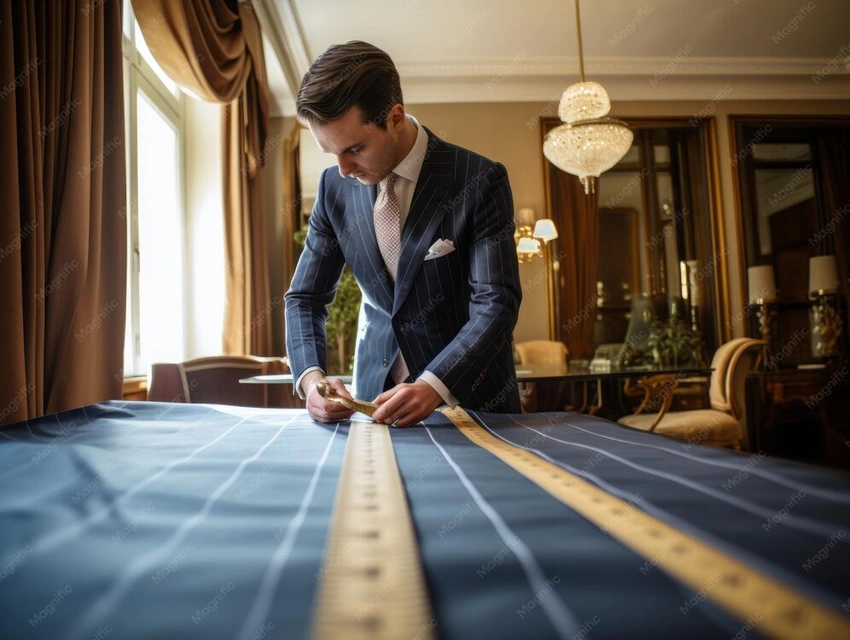
The single fastest way to make an outfit look expensive is tailoring.
Mass-market clothing is manufactured to fit the broadest possible demographic, meaning it rarely fits any single individual perfectly. Taking a garment to a local tailor, or learning to do basic hemming yourself, changes the game entirely.
Focus first on the shoulder seams of blazers, the waistbands of trousers, and the length of sleeves. When a garment hugs your specific frame precisely, the brain automatically associates it with bespoke craftsmanship. Even a basic cotton t-shirt looks drastically more expensive if the sleeves are cropped to the most flattering point on your bicep and the hem hits right at your hip bone.
Fabric Selection and Tactile Quality
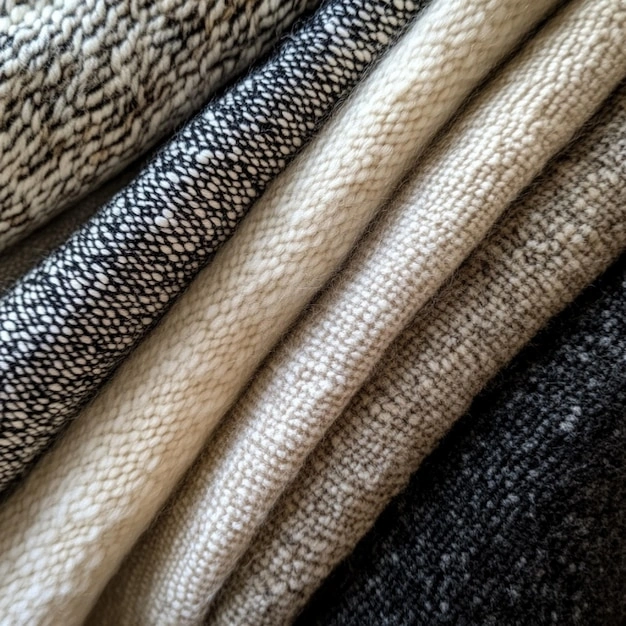
Before you look at a clothing item's cut, look at its fiber content. Natural fibers like wool, silk, linen, and heavy cotton inherently drape better and catch the light more richly than cheap synthetics like polyester and acrylic.
When thrifting, run your fingers along the racks and ignore the labels until your hands find weight and structure.
A heavy polyester blend can sometimes pass muster if it has a dense weave, but thin, shiny synthetic fabrics always scream budget. Investing in natural textures adds an unspoken layer of richness to your daily outfits, making even simple silhouettes feel profoundly elevated.
Color Coordination and Monochrome Power
Nothing looks cheaper than a chaotic clash of twenty different neon shades unless it is executed by a high-end runway stylist. For everyday elegance, embrace the power of monochrome and neutral color palettes. Dressing in shades of cream, camel, navy, olive, and black creates a seamless visual line that makes your outfit appear intentional and expensive.
As Coco Chanel famously noted, before you leave the house, look in the mirror and take one thing off.
Keep your color stories restrained, letting clean lines and rich tones do the talking.

Login to comment.