How Ritam Mondal's Loss Reflects Our Shared Struggles?

How Ritam Mondal's Loss Reflects Our Shared Struggles?
Ritam Mondal's tragic death at IIT Kharagpur resonates deeply with students everywhere. His story highlights the pressures faced by today's youth. Let's talk about mental health.
As a 21 year old student and being part of the same generation, wrestling with similar expectations, Ritam Mondal’s death at IIT Kharagpur feels strikingly personal. We all share high aspirations, sleepless nights preparing for exams, and an unspoken fear of letting our families, institutions, or ourselves down. When someone our age, striving as we are, chooses to end their life, it shakes more than just statistics rather it rattles our collective spirit.
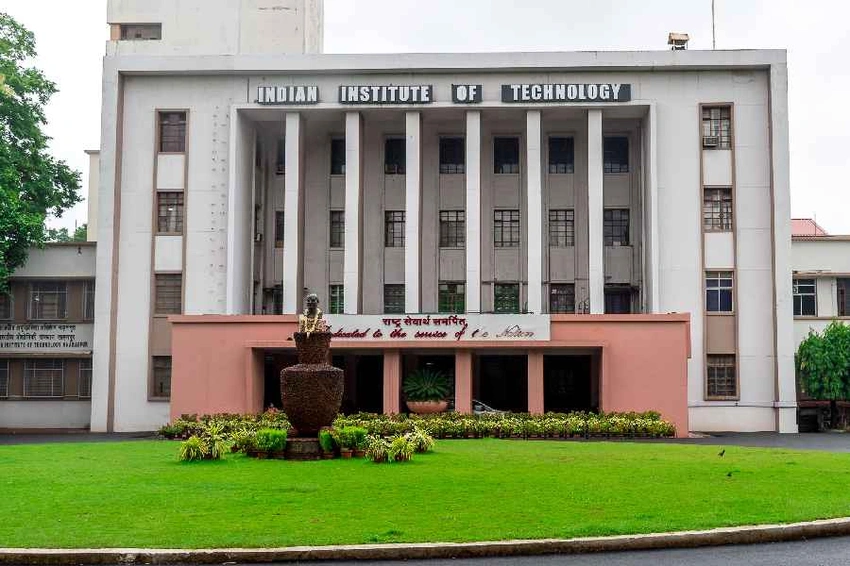
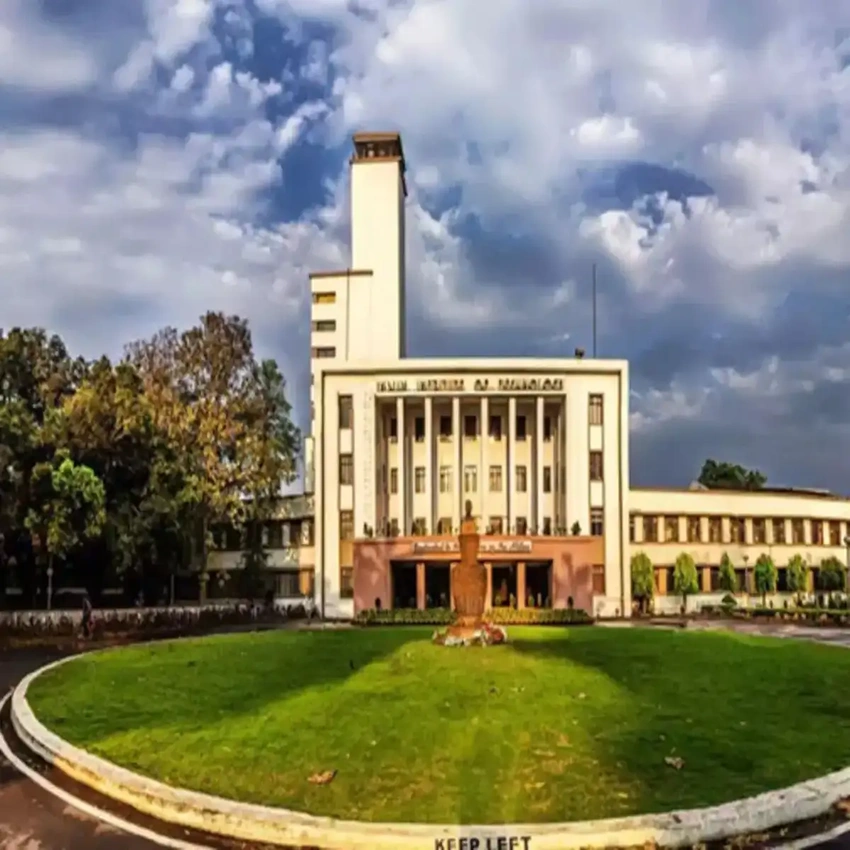
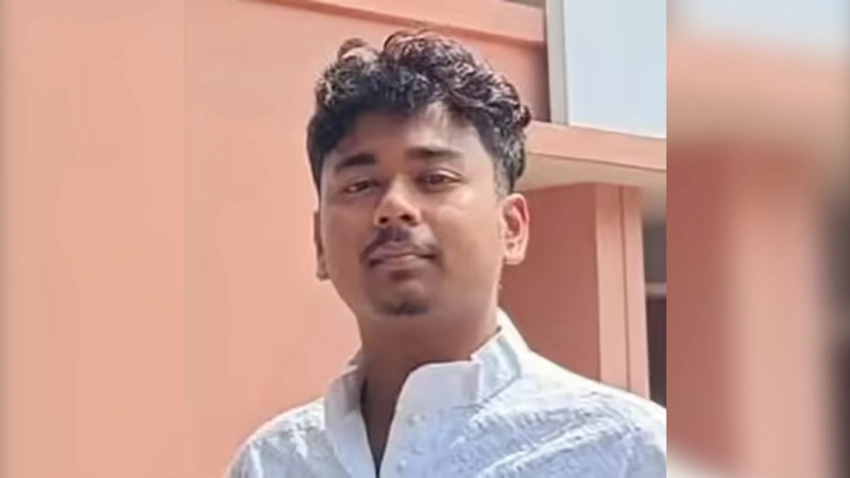
The recent tragedy at IIT Kharagpur, where Ritam Mondal, a 21 year old fourth-year mechanical engineering student, was found hanging in his hostel room on July 18, is deeply disturbing. His death marks the fourth such case in just seven months and the fifth in a year at the institute. Ritam’s academic record was strong, his CGPA was above 8, and friends and faculty reported no outward signs of distress.
Even in top-tier IITs, the culture of relentless excellence leaves little space for human vulnerability. In Ritam’s case, officials noted a slight slump in his last semester, which may have triggered a mental health crisis.
While IIT Kharagpur offers counselling services like SARTH, QR-code helplines, and a “campus mothers” initiative, students say the system remains hard to access and under-resourced. Mental health infrastructure is reactive, not proactive. But these often feel like belated responses, not continuous care.
A broader study by Kolkata’s Institute of Psychiatry shows academic stress, lack of emotional support, isolation, and stigma around mental health are pushing youth into crisis. Nationally, students have a disproportionately high suicide rate up to 35% of suicides occur in those aged 15 to 24. In 2022, India recorded 171,000 suicides overall, with students comprising a significant share.
Psychiatrist Jairanjan Ram warns that internal suffering often goes unnoticed, worsened by stigma at home and school. Psychologist Namita Mohanty emphasizes that tragedies like the Balasore self-immolation happen when emotional distress is unaddressed and institutional support systems are dormant. Experts advocate for suicide protection groups on campuses, combining trained faculty and peer volunteers to monitor and offer early support.
A national suicide prevention strategy including India’s mental healthcare helpline “KIRAN” and the decriminalization of suicide marks progress, but educational reforms must scale fast. For students like us today, success should feel like a stretch, not a death sentence.
IIT Kharagpur’s recent additions like the SETU AI-driven wellness app, campus mothers, and peer task forces are positive steps. But technology must not replace empathy. What we truly need are time for conversations, community, and emotional check-ins woven into daily campus life.
When we feel pressure building, we must speak out to friends, mentors, counsellors, or even campus mothers. Checking in with others, like random messages, shared meals, can prevent isolation. It’s about noticing when someone becomes quieter, more withdrawn, or seems worn down. It’s also about reducing stigma by telling stories of stress, failure, and recovery can normalize the struggle.
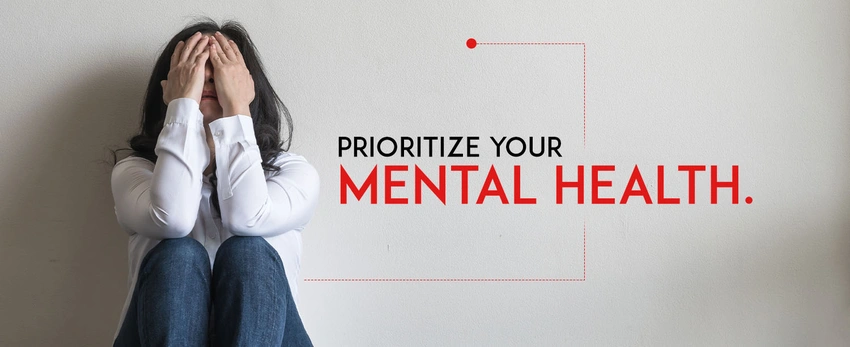 Parents, teachers, and media need to recalibrate the narrative. Grades should reflect part of the journey, not define it. Parents at home should ask more questions like, “Did you feel supported today?” not just “How did you score?” Teachers should recognize emotional learning as equal to academic teaching. Media must highlight how resilience, community, and mental health matter just as much as placements and admissions.
This is more than an institutional issue, rather, it’s a societal one. To truly prevent more lives lost, we need a culture shift that prizes empathy, emotional presence, and care over performance alone. Let Ritam’s life and death be a catalyst, a powerful reminder that behind each success is a young soul deserving of respect, kindness, and safe passage through the stress and uncertainty of growing up.

As students, friends, educators, parents, media professionals, and policymakers, our task is to build environments where asking for help isn’t a failure, and surviving the race isn’t the only victory. We must learn to save our generation not just from the rat race, but from its human cost.
#MentalHealthMatters #IITKharagpur #StudentLife #AcademicPressure #EndTheStigma
