The Danger of "Recusing" the Iranian Revolution

The Danger of "Recusing" the Iranian Revolution
We have seen this movie before, and we know how the sequels usually end.
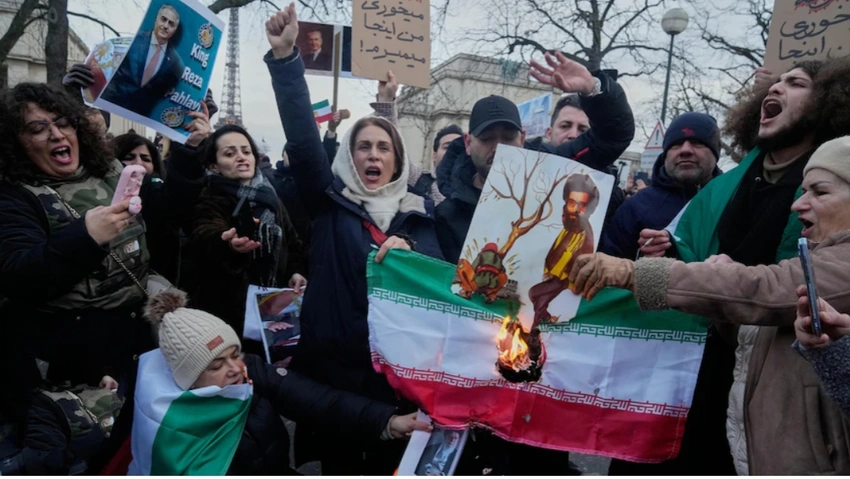
As the death toll in Iran climbs past 600, the images flooding our screens are devastating: young students standing defiantly against armored vehicles, and an entire generation risking everything for a breath of freedom. In Washington, the rhetoric has shifted from "thoughts and prayers" to a military ultimatum. The message from the White House is clear: if the regime doesn't stop the killing, American missiles will start falling.
It feels like the moral thing to do. Who wouldn't want to stop a bully? But there is a massive difference between supporting a revolution and hijacking one.
The moment American bombs start dropping on Tehran, the narrative changes. Right now, this is a beautiful, homegrown movement for Iranian dignity. If the U.S. intervenes militarily, the regime gets exactly what it wants: an "external enemy" to blame. Suddenly, the protesters aren't patriots anymore—in the eyes of the state's propaganda, they become "Western puppets."
Instead of a military "rescue," the world should be focused on the digital frontline. The Iranian people aren't asking for us to fight their war; they are asking for the world to watch it. We should be flooding the country with satellite internet and making the regime’s leaders international outcasts.
The Iranian people have shown they have the courage to change their own destiny. Our role isn't to be the hero of their story, but to make sure the lights stay on so the world can see them win it. If we turn this into a regional war, the only winner will be the very chaos the protesters are trying to escape.
