England Sees Spike in Spider Bites Tied to Noble False Widows

England Sees Spike in Spider Bites Tied to Noble False Widows
NHS data show 2025 spider bite admissions rising to 100, up from 47 in 2015, with experts linking the increase to noble false widow spiders.
Hospital data show 100 admissions in 2025 due to spider bites in England, up from 47 in 2015. The rise has prompted experts to point to the growing noble false widow spider, a species now common in southern Britain. Of the 100 admissions in 2025, 73 came through accident and emergency departments, compared with 38 of the 47 in 2015.
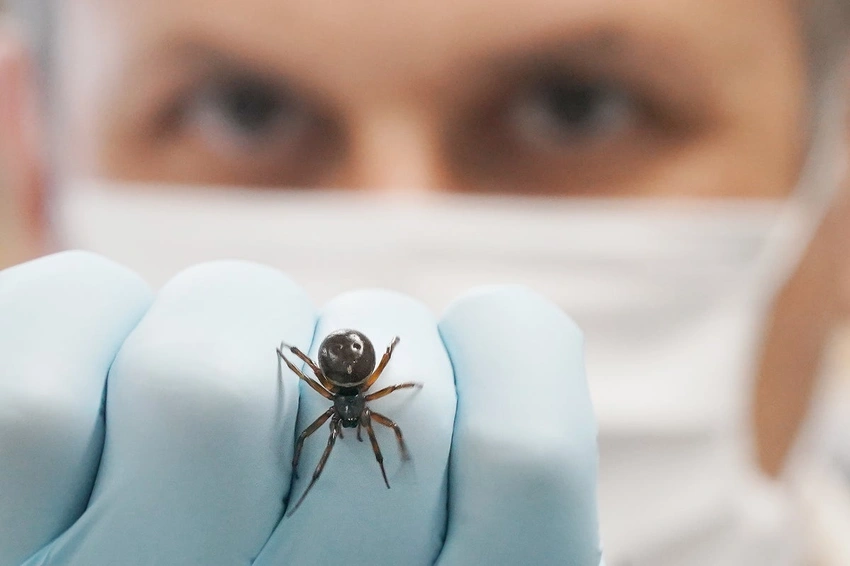
The noble false widow, described as the 'most dangerous spider breeding in Britain' by some headlines, is not considered aggressive and there are no confirmed cases of death from its bites. Still, for some people the bite can cause pain and swelling.
Identification tips: pale markings on the body that people describe as skull-shaped, and the spider's webs in corners, kitchens and conservatories. They range from 7 to 14 millimeters in length. The species is believed to have originated in Madeira and the Canary Islands and was first documented in southern England in 1879.
Health experts say the increase is tied to the spiders' expanding numbers, though data does not prove a direct cause-and-effect. They advise taking simple precautions: reduce clutter in living areas, seal cracks, and wash any wounds promptly; seek medical care if a bite becomes severely painful, inflamed, or shows signs of infection. Public health bodies continue to monitor the trend as the spiders spread across parts of southern England and beyond.
