Mysterious US Military Spacecraft Launched by SpaceX

Mysterious US Military Spacecraft Launched by SpaceX
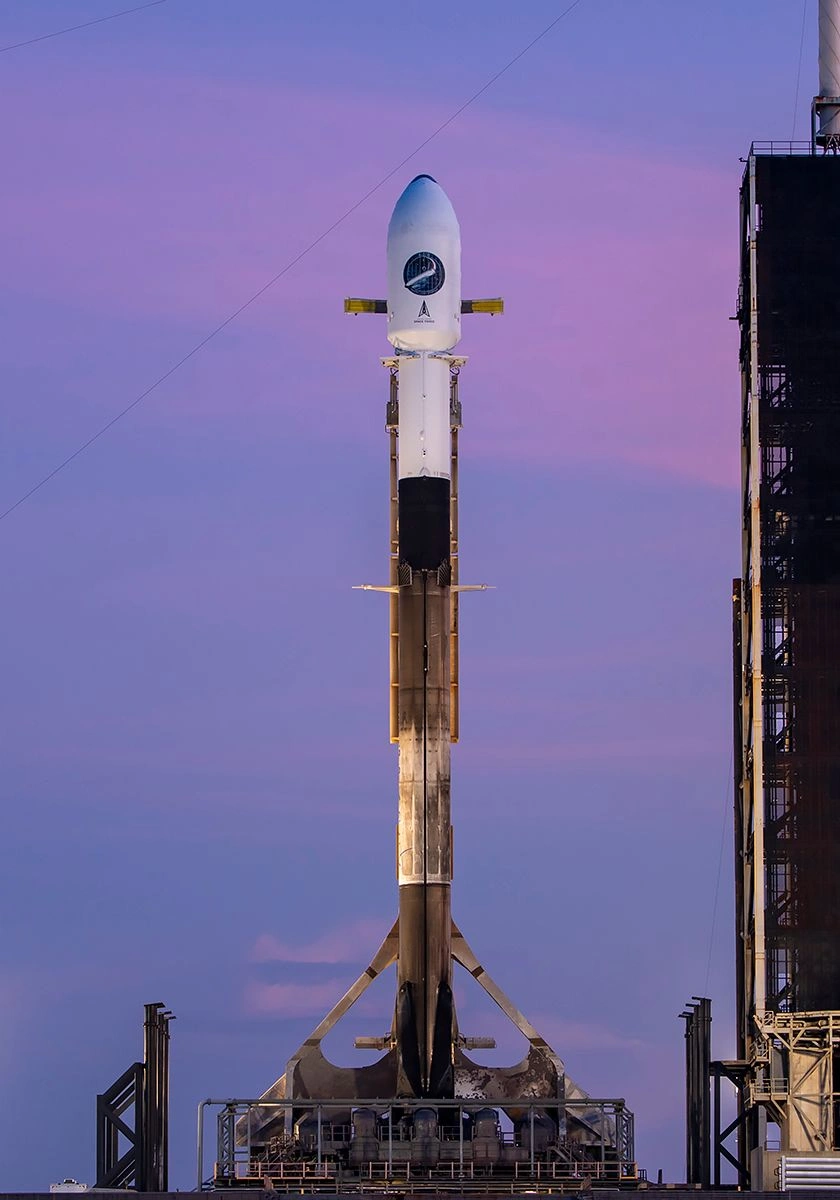
NASA's Kennedy Space Center lit up the night as the classified X-37B drone rode SpaceX's Falcon 9 into orbit. The mission will test laser communications and a record-high quantum inertial sensor for future space-based ne
The US military's classified X-37B drone was launched into space Thursday night on a SpaceX Falcon 9. According to SpaceX's livestream of the event, the rocket successfully launched at 11:50 p.m. (0350 GMT on Friday). After being launched from NASA's Kennedy Space Center, the Falcon 9 illuminated the night sky.
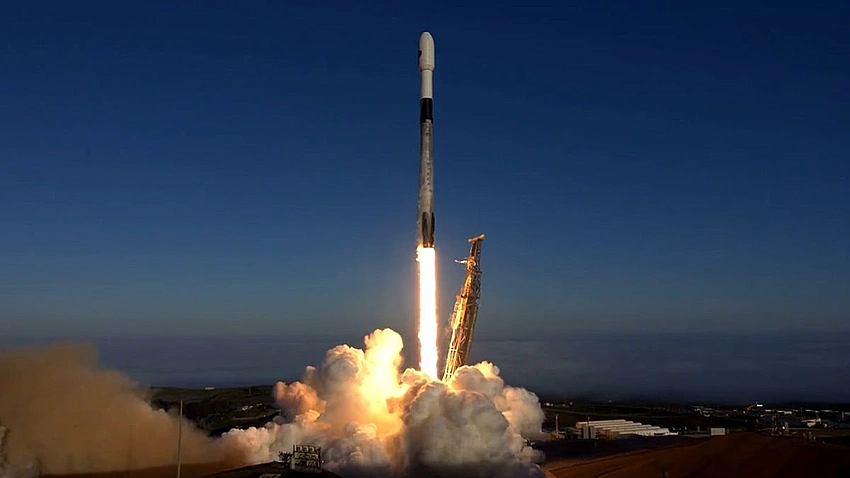
According to the US Space Force, the drone's mission will encompass "a wide range of test and experimentation objectives." The service said in a statement last month that,
"These operational demonstrations and experiments comprise next-generation technologies, including laser communications and the highest performing quantum inertial sensor ever tested in space."
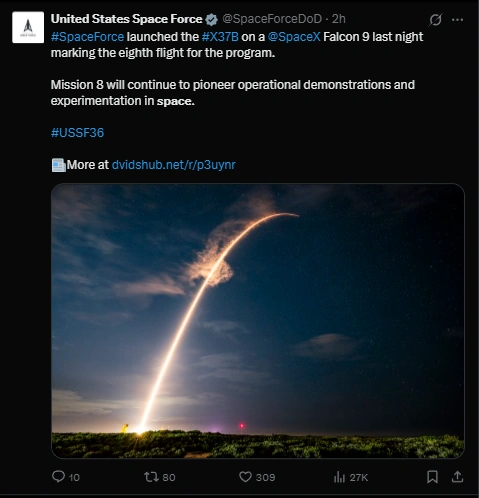
"Mission 8 will contribute to improving the resilience, efficiency and security of U.S. space based communications architectures," it added.
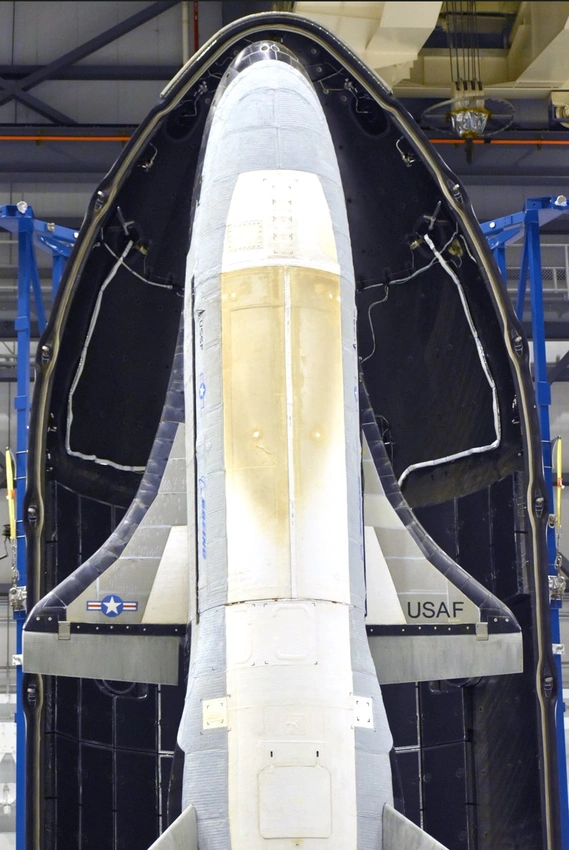
The US X-37B space drone is about the size of a small bus and resembles a miniature version of the manned space shuttles that were retired in 2011.
The X-37B has conducted tests for the US space agency NASA on earlier missions. Boeing and United Launch Alliance created the X-37B Orbital Test Vehicle for the Air Force, which has been in use since 2010. Solar panels power it and measure 30 feet (nine meters) in length with a wingspan of 15 feet.
The U.S. Space Force's X-37B spaceplane was recently launched by SpaceX, demonstrating how space is increasingly becoming a vital area for technological advancement and national security. The emphasis on laser communications and quantum navigation indicates a clear push toward next-generation defense capabilities, even though the majority of the mission's specifics are still under wraps.
The X-37B's long-duration missions serve as a research platform and a strategic indication of U.S. readiness in the face of growing competition from international powers in space. The spacecraft's return will probably provide new information about how military operations beyond Earth will develop in the future as it silently completes its mission in orbit.
