IOC Bans Transgender Athletes From Women's Olympic Events Starting 2028

IOC Bans Transgender Athletes From Women's Olympic Events Starting 2028
The International Olympic Committee unveils a sweeping rule to bar transgender and DSD athletes from women's events, signaling a landmark policy ahead of the 2028 Games.
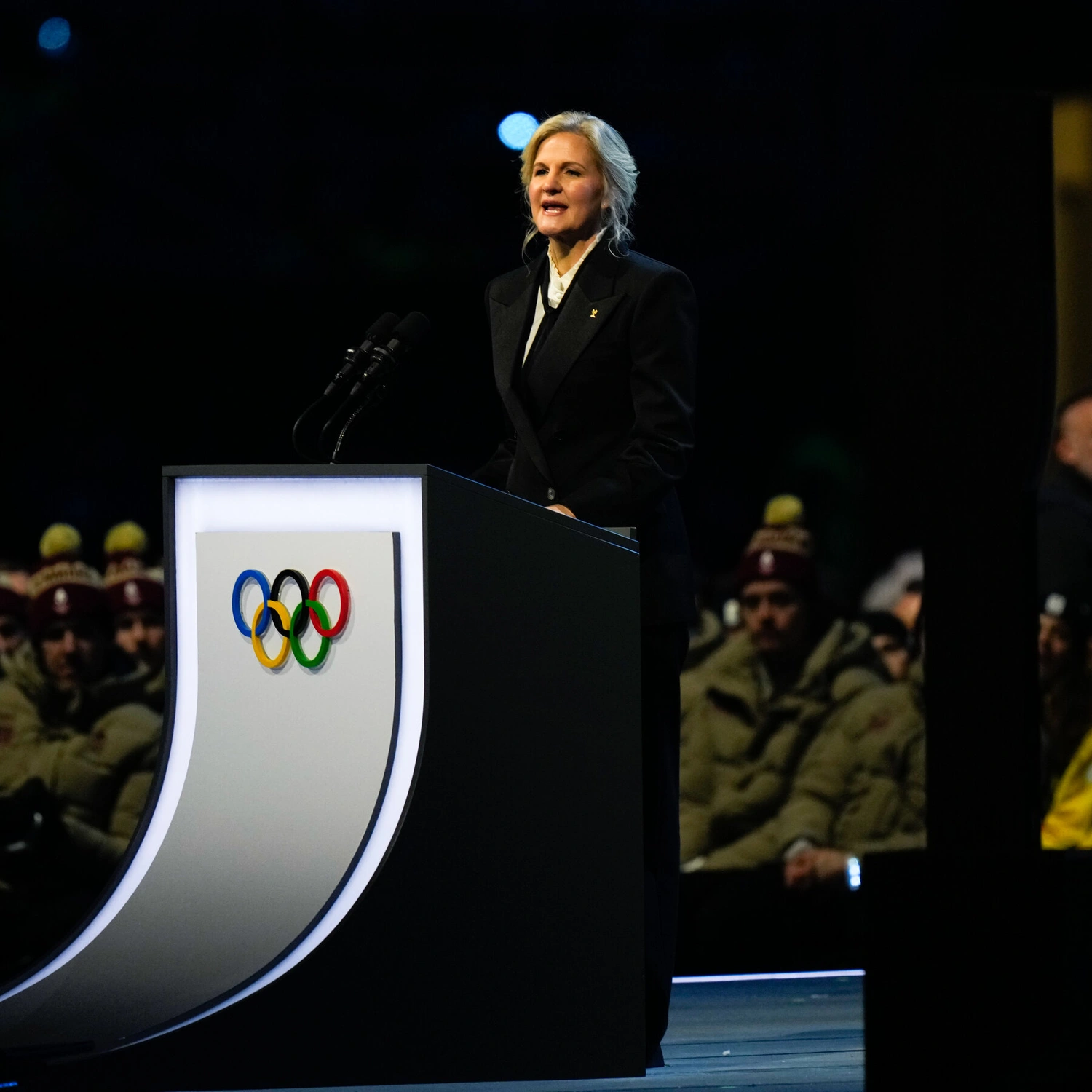
In a move that reshapes the rules for Olympic competition, the International Olympic Committee has unveiled a sweeping policy that would bar transgender and DSD athletes from women's events, effective for the 2028 Games. The decision reflects years of debate over fairness, safety, and inclusion, and it signals a clear shift in how the IOC expects federations to regulate eligibility. Kirsty Coventry, the IOC's president, has argued that protecting the integrity of women's competitions is essential for the Games' fairness and safety. This policy marks a departure from earlier practice, where eligibility criteria were often left to individual sports federations to determine. Now, all federations are expected to align with a blanket standard for female categories.
Under the new framework, a blanket ban would apply to transgender and DSD athletes in women's categories, a move supporters say is grounded in science and aimed at ensuring level playing fields. Some advocates argue that a genetic approach—citing methods that have been used in athletics and boxing—offers a confidential, proportionate means of verifying eligibility without requiring athletes to suppress natural testosterone levels. They also say this approach avoids prolonged controversy and media scrutiny that can accompany hormonal adjustments.
Critics of the policy warn that an invasive, single-gene test could infringe on athletes’ rights and risks false positives or unintended discrimination. They point to a historical cautionary tale: sex verification tests used in the 1980s and 1990s were abandoned after concerns about accuracy and human rights implications. The debate over biological sex, gender identity, and fairness in sport remains emotionally charged, with many arguing that the new rule could stigmatize athletes or overlook the nuanced realities of sex and gender.
The policy’s broad scope means national and international federations will need to implement the standard in a manner that balances fairness with human rights considerations. As the Olympic movement moves toward this policy, the broader question looms: how can sports maintain competitive integrity while respecting the dignity and inclusion of all athletes?
