Artemis II lifts off: NASA crew heads to the Moon in historic flyby

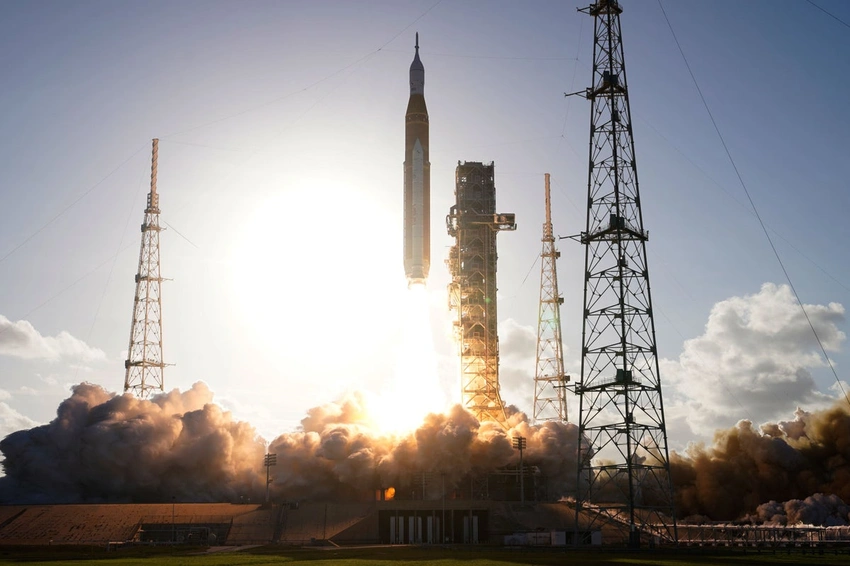
Artemis II lifts off: NASA crew heads to the Moon in historic flyby
NASA's Artemis II launches toward a bold lunar flyby, setting the stage for future crewed missions and deeper space exploration.
NASA's Artemis II mission lifted off from Cape Canaveral, sending a crewed Orion spacecraft atop the powerful Space Launch System rocket in a carefully choreographed launch that spectators have waited years to see. The mission marks the first crewed Moon voyage in more than five decades and signals a renewed era of human space exploration as NASA advances the Artemis program.
The plan is to execute a lunar flyby that will put the crew into a high-altitude lunar orbit, allowing engineers to test life-support systems, navigation, communications, and spacecraft performance in deep space ahead of any future lunar landing. The mission is designed to operate for roughly a week in the vicinity of the Moon, gathering critical data and confidence for subsequent steps in the program.
A successful flyby will set the stage for Artemis III, which aims to land astronauts near the Moon's south pole and push toward longer-term presence in cislunar space. The broader Artemis vision envisions international collaboration and sustained exploration that could eventually lead to crewed missions to Mars, with each milestone aiming to validate systems and protocols for long-duration spaceflight.
Mission teams and engineers emphasized the collaborative effort involved, from launch day checks to in-flight operations, and noted that current weather and technical conditions were favorable for the ascent and initial orbit. Viewers around the world are watching—sharing in the excitement of a historic moment that underscores a renewed confidence in human spaceflight and the potential scientific gains from deep-space exploration.
As the spacecraft begins its test of endurance and systems in the harsh environment of space, experts say the data gathered will inform planning for future landings, surface operations, and long-term presence on the Moon, ultimately shaping how humanity returns to the lunar surface and, one day, extends its reach to Mars.
