Director Carl Rinsch Jailed: $11M Netflix Fraud Case Ends in Prison Sentence!

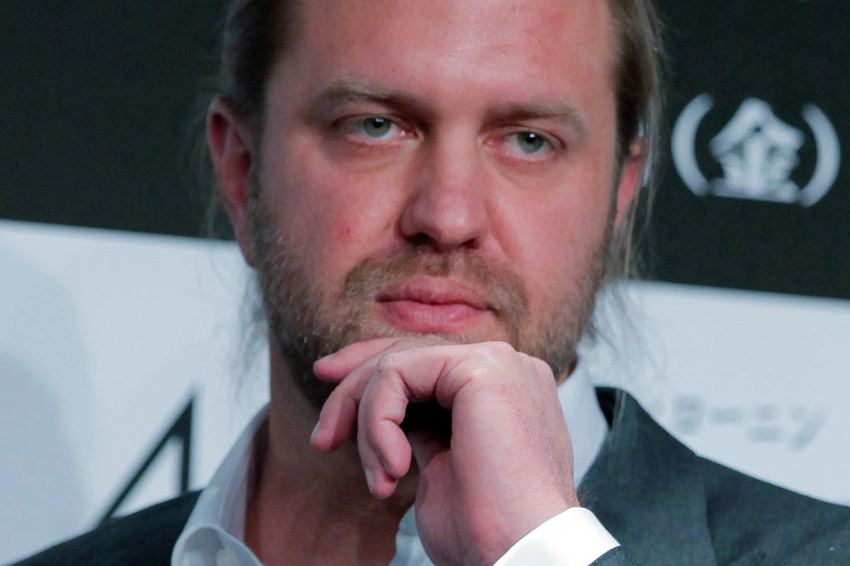
Director Carl Rinsch Jailed: $11M Netflix Fraud Case Ends in Prison Sentence!
Hollywood director Carl Rinsch gets 2.5 years in prison for defrauding Netflix of $11M, spending funds on luxury items instead of his sci-fi series. Read the full story behind the shocking conviction!
Hollywood writer-director Carl Rinsch has been sentenced to two and a half years in prison after being convicted of defrauding Netflix out of $11 million for a science fiction show that was never completed. The 48-year-old, known for the 2013 film '47 Ronin', was found guilty of federal fraud and money laundering for misusing the allocated funds.
In addition to his prison term, Judge Jay Rakoff also sentenced Rinsch to three years of supervised release, $11 million in forfeitures, and a $700 fine. Prosecutors had stated that Rinsch faced a potential sentence of up to 90 years, but a lighter sentence was anticipated. Speaking before the court, Rinsch apologized and accepted responsibility for his actions. US Attorney Jay Clayton emphasized that the sentencing sends a clear message: "Fraud will not be tolerated."
Netflix had initially provided Rinsch with approximately $55 million for the development of the sci-fi series, which was originally titled 'White Horse'. A significant portion, $11 million, was intended specifically for production completion. However, prosecutors revealed that Rinsch diverted this money into a personal account. He then invested these funds, reportedly losing half within a couple of months. The money was also used for lavish personal purchases, including investments in cryptocurrency, luxury cars like Rolls Royces and Ferraris, and even mattresses costing hundreds of thousands of dollars.
During his one-week trial in New York, several Netflix executives testified, confirming they had only agreed to one season of the show, which Rinsch failed to deliver. Rinsch himself took the stand, a rare move for a defendant in such a case, claiming the situation was a misunderstanding and he believed the funds were meant to sustain the show's production during the pandemic. Reports from The New York Times indicated that friends and colleagues had described Rinsch as becoming increasingly erratic after securing the Netflix deal, with some accounts suggesting he harbored delusions about predicting natural disasters.
