The Analog Trend Has Already Failed

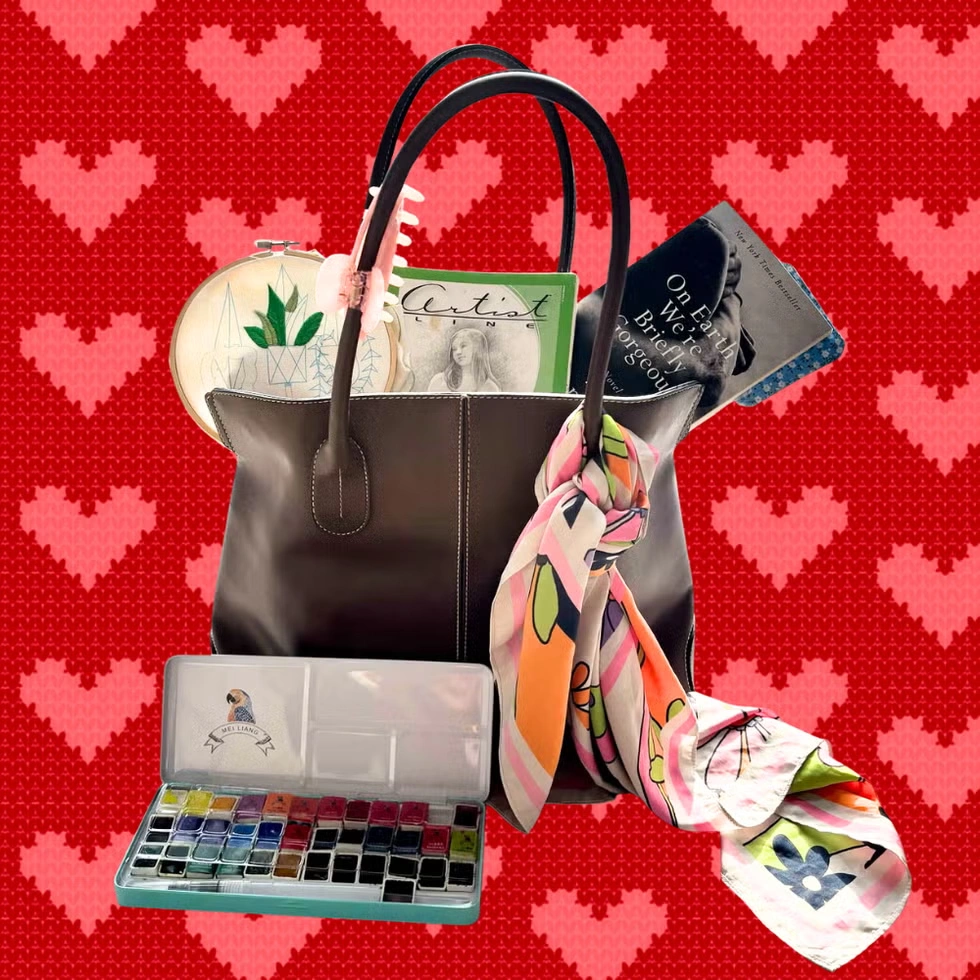
The Analog Trend Has Already Failed
The Analog Trend Has Already Failed
From vinyl records to film cameras, the analogue revival promises calmer living—but the piece argues capitalism has a way of turning slower culture into a new product, reshaping the dream.
There was something genuinely hopeful about the return of analogue culture.
Film cameras reappeared around necks. Vinyl records found their way back onto shelves. People began carrying books instead of Kindles, writing in notebooks instead of productivity apps, and swapping endless playlists for albums played from beginning to end. After years of algorithmic feeds and perpetual notifications, the desire to slow down felt less like nostalgia and more like survival.
The appeal was never really about technology. It was about rhythm. Analogue objects promised friction in a culture obsessed with speed. They required patience, attention and presence. In an economy where every second is optimised, those qualities felt quietly radical.
Yet somewhere along the way, the analogue movement stopped being about escaping consumer culture and became another version of it.
The Market Never Lets You Escape
Capitalism has a remarkable ability to absorb criticism and sell it back as a product.
Minimalism became expensive interior design. Sustainability became another branding exercise. Wellness became a billion pound industry. The analogue revival appears to have followed the same path.
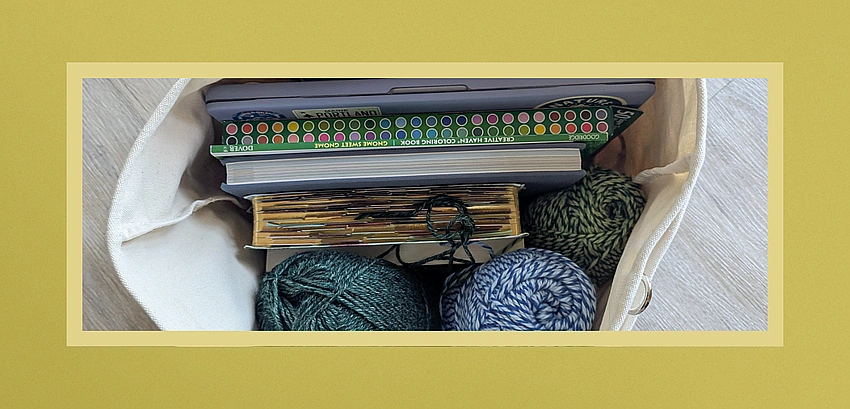
Instead of encouraging people to use what they already owned, the internet began producing shopping lists. Suddenly there were "analogue bags" filled with carefully curated journals, disposable cameras, fountain pens, portable CD players, cassette players and expensive headphones. Social media transformed intentional living into another aesthetic category.
Ironically, the movement designed to reject constant consumption now encouraged another cycle of buying.
The contradiction is difficult to ignore. A new film camera manufactured in 2026 does not necessarily represent resistance to digital capitalism. More often than not, it represents another purchase within the same economic system. Companies quickly recognised that people were exhausted by digital life and began selling products that promised an escape from it. The analogue aesthetic itself became a commodity. Recent commentary has noted that even anti technology lifestyles are increasingly marketed through carefully designed products rather than meaningful changes in behaviour.
The Performance of Presence
Much of analogue culture today exists because it photographs well.
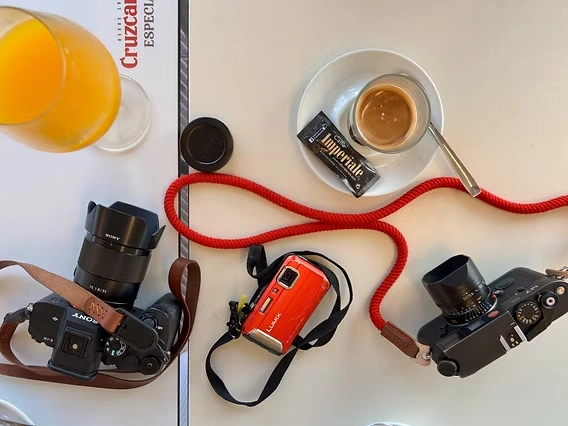
A notebook beside a cup of coffee. A vinyl record spinning in warm afternoon light. A film camera resting on a wooden desk. These images circulate endlessly across Instagram, Pinterest and TikTok.
The irony is almost literary.
Objects intended to help people disconnect frequently become props for digital performance. Rather than disappearing from social media, they become content for it. The slower life is documented before it is experienced.
This reflects something larger about contemporary identity. Consumption increasingly functions as communication. What we buy signals who we wish to become. Carrying a paperback or shooting on film often says less about our daily habits than about the identity we hope others recognise.
The object becomes symbolic long before it becomes useful.
Ownership Is Not the Same as Overconsumption
This does not mean analogue media is meaningless.
There are genuine reasons behind the renewed interest in physical formats. Vinyl records offer ownership in an era dominated by subscriptions. Printed books cannot disappear because of licensing agreements. Film photography encourages deliberate image making instead of infinite digital captures.
These practices have value precisely because they slow us down.
The problem begins when ownership transforms into collecting for its own sake.
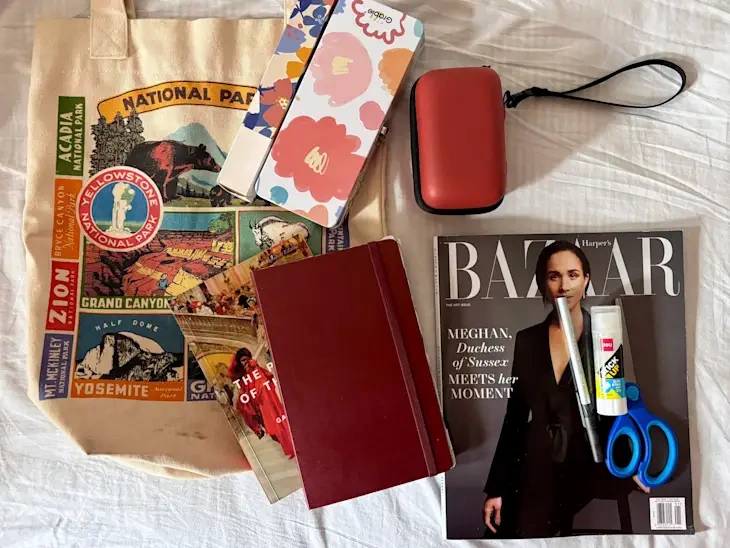
Owning one camera that you use regularly is very different from purchasing multiple cameras because each one fits a different online aesthetic. Buying records to listen to them differs fundamentally from purchasing several coloured variants of the same album simply because they exist.
What began as resistance quietly becomes accumulation.
The market does not particularly care whether consumers buy smartphones or typewriters. It only requires that consumption continues.
Escaping the Algorithm Cannot Be Bought
Perhaps the greatest misconception surrounding the analogue revival is the belief that different objects automatically produce different lives.
A fountain pen cannot restore attention by itself.
Neither can a flip phone, a vinyl record player or an instant camera.
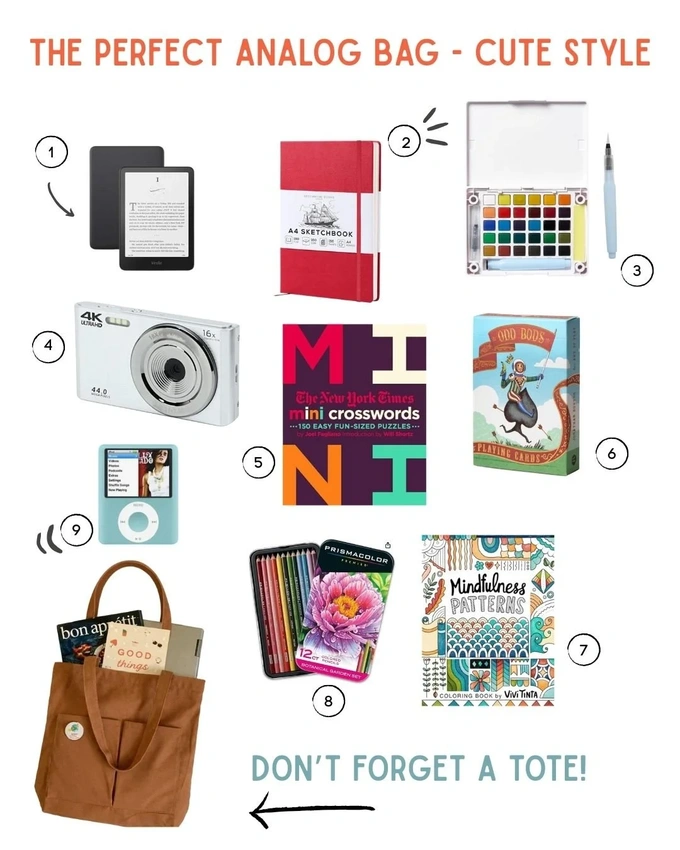
These objects can certainly encourage different habits, but they cannot replace intentional choices. Spending £300 on equipment while remaining trapped within the same cycle of online validation solves very little.
Recent discussions surrounding analogue culture increasingly argue that the movement loses its purpose when it focuses on acquiring products instead of changing relationships with technology. The real challenge lies in reclaiming attention rather than purchasing an identity built around doing so.
Perhaps the Most Radical Thing Is Using What You Already Have
The analogue trend has not failed because people returned to physical media.
It has failed because the conversation shifted from practice to purchase.
The original appeal of analogue life was beautifully simple. Read the books already sitting on your shelf. Borrow films from the library. Repair an old CD player. Write letters instead of buying another productivity planner. Spend an afternoon without documenting it.
None of these require aesthetic perfection or expensive equipment.
In many ways, the most genuinely analogue act today might be refusing to participate in the endless demand for novelty. The goal was never to replace one collection of gadgets with another. It was to recover forms of attention that cannot be measured by algorithms or bought through checkout pages.
Perhaps that is what the internet forgot.
#Analogue #SlowCulture #Rhythm #CapitalismCritique #Minimalism
