Denmark Ends in Deadlock as PM Frederiksen’s Future Remains Unclear

Denmark Ends in Deadlock as PM Frederiksen’s Future Remains Unclear
Denmark’s hung parliament leaves PM Frederiksen's future uncertain as moderates hold kingmaker leverage after a tight vote.
Denmark’s March 24, 2026 election produced a hung parliament, with no bloc securing a majority in the 179-seat Folketing. The Social Democrats, led by Prime Minister Mette Frederiksen, slipped to 21.9% of the vote, far below the 27.5% they won in 2022, and neither left nor right blocs managed to cross the line to form a stable coalition.
With the Moderates, led by Lars Lokke Rasmussen, holding 14 seats, the kingmaker role has fallen to a party seen as a potential hinge between competing blocs. Rasmussen called on rivals to set aside their positions and “come and play with us,” arguing that Denmark, a small country of six million people, must unite amid global upheaval.
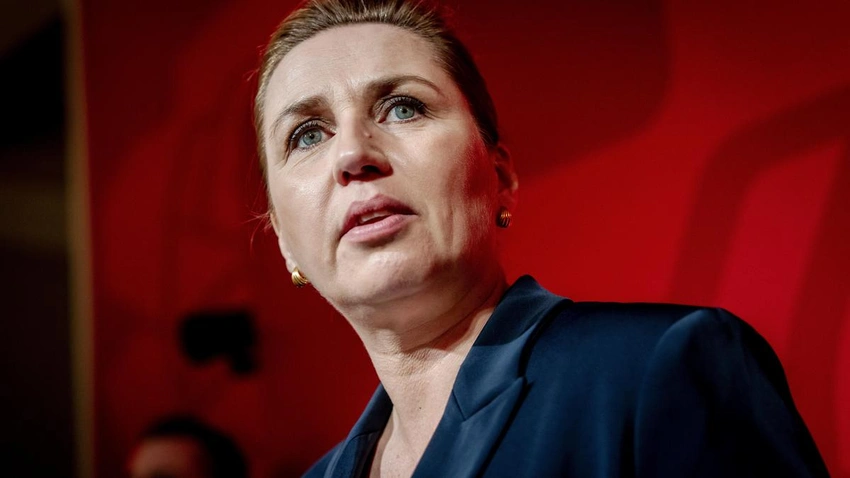
Frederiksen said she’s ready to stay on as Prime Minister, stressing that Denmark needs a stable and competent government in a world of unsettled winds, including conflicts in Ukraine and Iran. Defence Minister Troels Lund Poulsen signaled that his Liberal party does not intend to form a government with the Social Democrats again. As coalition talks loom, observers brace for protracted negotiations that could determine whether Frederiksen can pursue a third term.
The vote marks a shift from decisive majorities to possible coalitions, and the path forward will depend on cross-party bargains that can command a parliamentary majority and reassure voters that Denmark can navigate a turbulent international landscape.
