Is AI Art Accelerating a Return to the Arts and Crafts Movement?

Is AI Art Accelerating a Return to the Arts and Crafts Movement?
As AI art homogenizes digital content, human-made crafts are gaining new value. Explore how this digital deluge could spark a 21st-century Arts and Crafts movement, celebrating unique, unscalable artistry.
The art world is abuzz, and rightly so, with the disruptive force of generative AI. Algorithms now conjure breathtaking images, intricate texts, and even music with unprecedented speed.
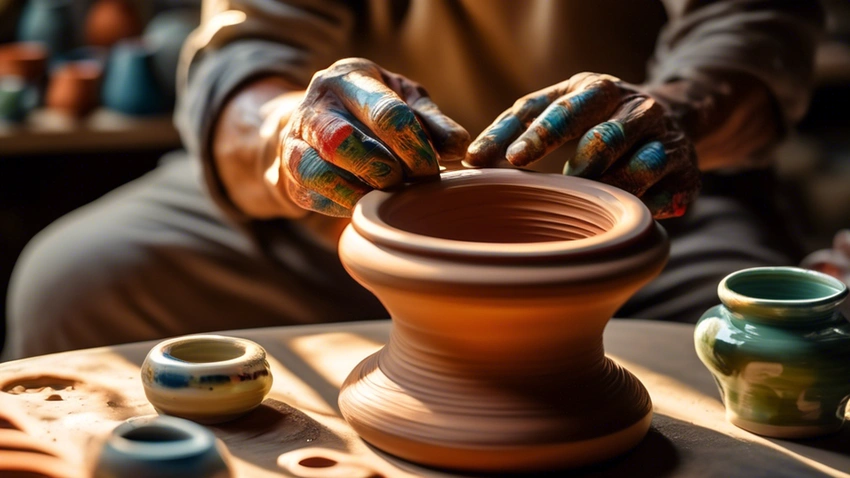
Yet, amidst this digital deluge, a curious phenomenon is emerging: a quiet yearning for the tangible, the unique, the 'perfectly imperfect.' It's a profound cultural and economic re-evaluation, suggesting that AI's rise might ironically be accelerating a renaissance for the hand-made, echoing a movement from centuries past.
The Digital Deluge and the Search for Soul
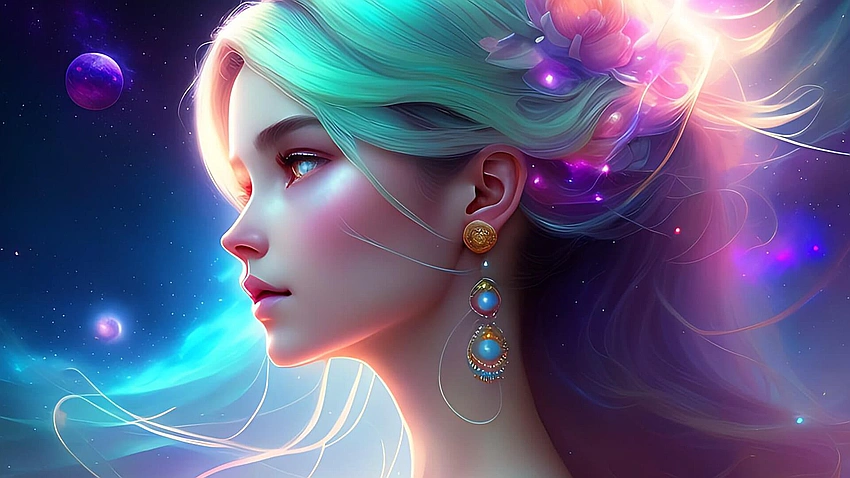
While AI tools offer incredible access and efficiency, they also carry an inherent risk of homogenization. When sophisticated algorithms can generate endless variations on a theme, the distinctiveness of individual digital creations begins to wane. There's a subtle but palpable sense that something is missing, a soul, a unique human imprint that machines simply cannot replicate.
This saturation of 'perfect' digital output creates an inverse demand for anything that conspicuously bears the mark of human effort, flaws and all.
Think of it as the ultimate counter-culture to algorithmic uniformity.
 Echoes of Ruskin: A 21st-Century Craft Revival
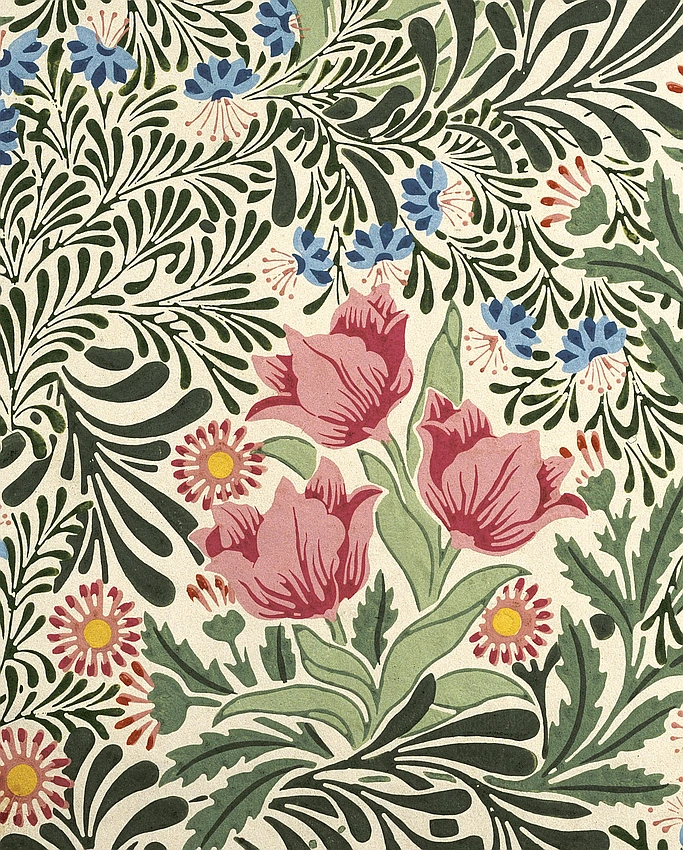
This isn't the first time humanity has reacted to technological upheaval with a longing for authentic creation. The 19th century saw the Industrial Revolution standardize production, making goods cheaper but often soulless. Think of John Ruskin and William Morris, champions of the Arts and Crafts Movement, who argued fiercely for the dignity of labor and the intrinsic value of beautiful, hand-crafted objects.
They saw factory production as alienating, separating the worker from their creation. Today, AI's hyper-efficiency poses a similar challenge, potentially alienating creators from the very act of making. Are we witnessing a modern-day Arts and Crafts resurgence, where the 'machine-made' is digital, and the 'hand-made' is the ultimate luxury?
“The great danger for us is not that the machine will replace the artist, but that it will make us forget the profound value of the human touch.”
 The Economic Premium of the Human Touch
What happens when digital art becomes a commodity, infinitely reproducible and easily accessible? Its economic value, in purely scarcity terms, diminishes. This opens the door for a new premium on items that cannot be scaled, replicated perfectly, or mass-produced by algorithms.
From bespoke furniture to hand-stitched textiles, artisan baked goods to unique ceramic pieces, consumers are increasingly willing to pay more for the story, the skill, and the inherent imperfection that comes with human labor. It's an economic shift, where un-scalability becomes a desirable feature, a badge of authenticity in an AI-generated world.
 Beyond Aesthetics: Community and Connection
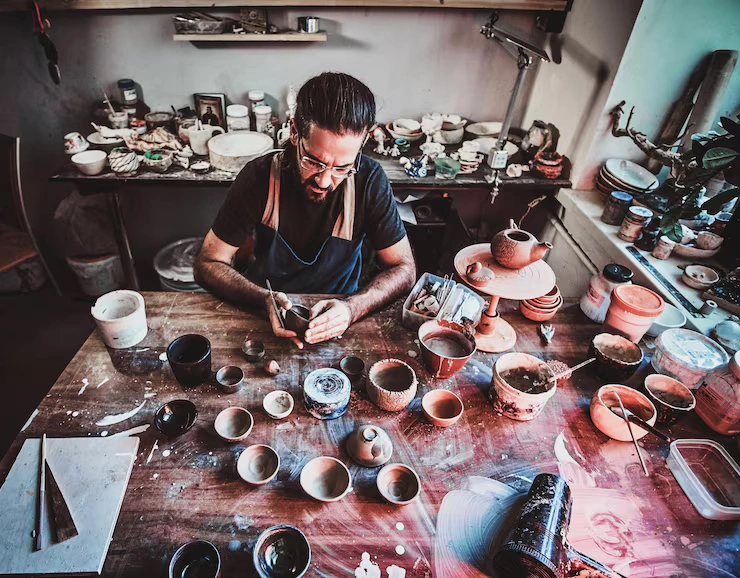
The revival isn't merely about aesthetics or economics; it's also deeply communal. Local craft markets are flourishing, workshops for traditional skills are booked solid, and the act of creating something with one's own hands provides a tangible connection to materials, process, and ultimately, to other people.
In an era where digital interactions often feel superficial, the shared experience of learning a craft, supporting a local artisan, or owning a piece with a personal narrative offers a profound sense of grounding and belonging.
This movement is about making meaning.
 Conclusion
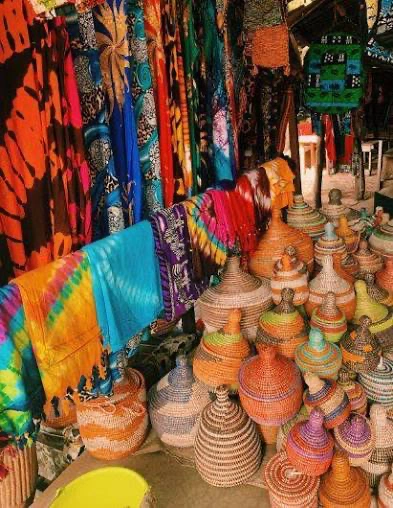
As AI continues its rapid evolution, it forces us to reconsider what we value in art and creation. Far from rendering human artistry obsolete, AI might just be reminding us of its irreplaceable essence: the unique signature of the human hand, the imperfect beauty of a bespoke object, the soul embedded in something truly made with care.
Perhaps the greatest gift of algorithmic authenticity will be a renewed appreciation for the perfectly imperfect, bringing craftsmanship back to the very heart of our culture.