Delhi Grapples with Very Poor Air as Cold Wave Tightens Grip

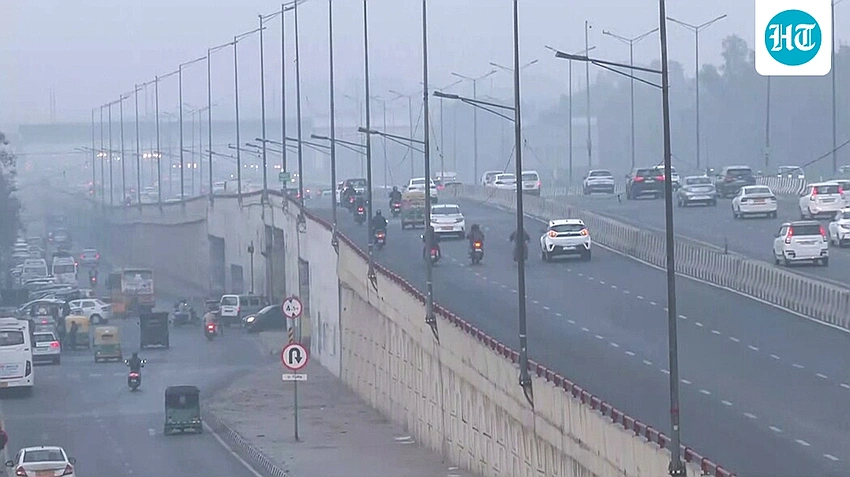
Delhi Grapples with Very Poor Air as Cold Wave Tightens Grip
Delhi's air remains in the 'very poor' category with hotspots hitting the high 370s, as IMD warns of a cold spell and mist sprayers are planned at nine hotspots.
Delhi woke up to a day dominated by toxic air, with the city’s air quality stubbornly stuck in the 'very poor' category across several monitoring stations. Thirty-one of the city’s forty AQI monitoring stations reported 'very poor' levels, underscoring the scale of the challenge as winter deepens. The worst readings were recorded at RK Puram (374), followed closely by Bawana (373) and Nehru Nagar (366). In contrast, Mandir Marg showed the lowest citywide reading at 222, with NSIT, Dwarka hovering around 266, still in the 'poor' bracket. The CPCB’s Sameer app pegged Delhi’s average AQI at about 324 around 7:05 a.m., roughly 20 points higher than the previous evening’s level of 304, pushing the city deeper into the toxic air zone.
As the city endures the early winter spell, officials warn of a developing cold wave. The India Meteorological Department predicts a chilly day ahead, with minimum temperatures around 5°C and maximums near 23°C. Winds from the northwest are expected to be light in the morning, picking up slightly and then easing again by night, a pattern that can trap pollutants closer to the ground and sustain elevated AQI levels for longer.
In response to the worsening air, authorities announced proactive steps to curb pollution at its hotspots. Mist sprayers are slated to be installed at nine major pollution hotspots across the city, aimed at temporarily reducing airborne particulate matter and dampening smog—an action that could provide some relief in the short term as residents brace for the cold conditions that tend to intensify pollution every winter.
For residents, the combination of poor air quality and a potential cold snap means extra precautions. Health advisories typically stress limiting outdoor activity during peak pollution hours, wearing proper masks, keeping windows sealed during family routines, and ensuring that children, the elderly, and those with respiratory conditions take additional care. With the forecast cautioning of a persistent cold spell over the coming days, air quality is likely to remain a central concern for city planners, health officials, and commuters alike.
The city’s experience this week highlights the ongoing tension between weather-driven pollution and the broader, long-term need for emission control, urban planning, and resilience measures. Beyond short-term fixes, authorities and residents will be watching closely to see if temporary interventions like mist sprayers can buy time while more permanent strategies—ranging from cleaner fuel usage to reduced construction dust and optimized traffic management—are scaled up to improve Delhi’s air during the essential winter months.
Cover image source: Another ‘very poor’ morning for Delhi as AQI dips further, IMD predicts cold wave 🔗
