Can TV Truly Change How We Understand and Challenge Toxic Masculinity?

Can TV Truly Change How We Understand and Challenge Toxic Masculinity?
Explore how bold new dramas like I Am Helen and actor Joe Cole are tackling toxic masculinity, coercive control, and the hidden struggles of modern men.
Television has long toyed with the archetype of the monster. We love our villains loud, obvious, and easily condemned. But reality is rarely so neat, and television is finally catching up to that uncomfortable truth.
In Channel 4's upcoming drama I Am Helen, actor Joe Cole steps into the shoes of Steve, a man whose warped ideas about masculinity lead him to abuse the woman he loves, played by Nicola Coughlan. Rather than playing a simple villain, Cole leans into the complexity of a man who is lost, lonely, and fundamentally broken.
This raises a pressing question for modern culture: Can television truly change how we understand and challenge toxic masculinity? ## The Danger of the Ordinary Monster Steve's ambitions on the surface are painfully ordinary. He wants to provide for his partner, settle down, and start a family. Yet his entire sense of self-worth is tied to outdated ideas of dominance and provision.
When Helen's independence threatens that fragile ego, he spirals into controlling and coercive behavior. Cole describes the character not as a monster, but as a representation of many men who are quietly struggling.
He represents a lot of men who probably are lonely and are a bit lost and perhaps don't have a real purpose,

Cole notes.
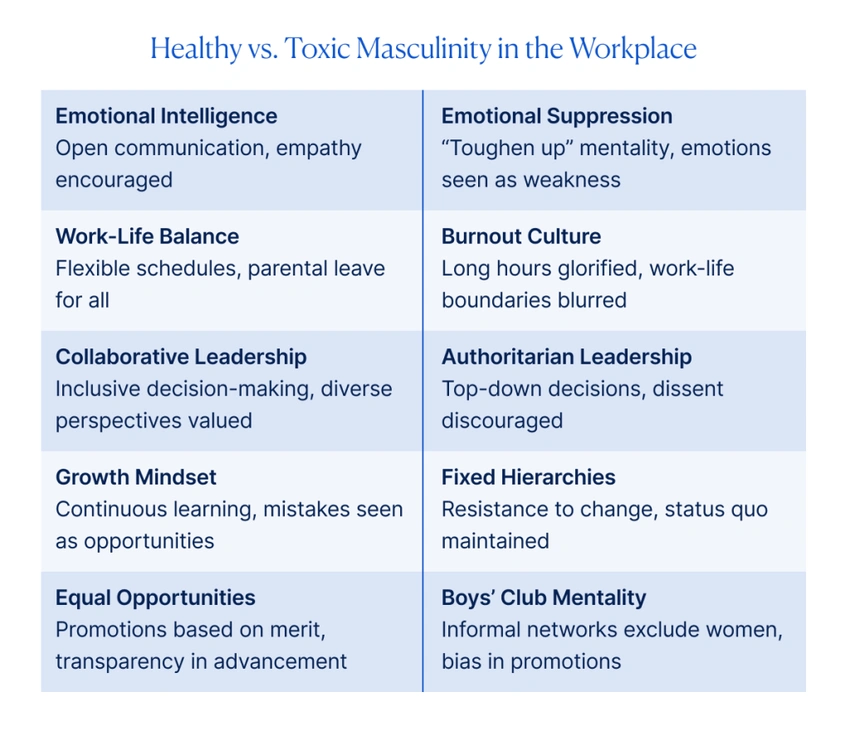
By refusing to paint Steve with a simple villainous brush, the drama forces audiences to sit with a far more disturbing reality. Toxic masculinity is rarely born from pure evil. Often, it festers in insecurity, isolation, and a complete lack of emotional literacy. ## Deconstructing the Echo Chamber What makes I Am Helen particularly compelling is its focus on adult men and the everyday environments where misogyny is normalized.
While recent conversations have heavily focused on teenage boys and digital radicalization, this drama highlights how adult peer groups reinforce toxic behavior. Steve is egged on by a colleague who makes openly misogynistic remarks disguised as jokes. This constant drip-feed of toxic influence provides the exact validation a lost man seeks.
When television accurately depicts these insidious echo chambers, it holds up a mirror to real-world social dynamics that often go unchecked. ## The Power of Raw Storytelling Part of what makes Steve feel so real is the creative process behind the camera. Director Dominic Savage abandons conventional scripts in favor of extensive improvisation and hour-long takes.
This approach allows actors to find the raw, messy truth of human interaction without the safety net of traditional cuts. When an actor is given the freedom to explore dark, erratic emotional spaces in real time, the result transcends standard television. It becomes an immersive psychological study. ## Can Fiction Drive Real Change?
Drama cannot solve systemic social issues on its own.
However, it can change the vocabulary we use to discuss them.
When we see characters like Steve, who can be fiercely affectionate one moment and terrifyingly controlling the next, we begin to recognize those patterns in the real world.
We start asking harder questions about male loneliness, mental health, and the cultural pressures that trap men in outdated roles. Television changes our understanding not by preaching, but by making the invisible visible. If we want to dismantle toxic masculinity, we have to be willing to look at its messy, ordinary origins.
Shows like I Am Helen give us the language and the space to do just that.


Login to comment.