Iran-UAE clash at BRICS meet dims hopes for joint statement

Iran-UAE clash at BRICS meet dims hopes for joint statement
Tensions flare as Iran and UAE clash during BRICS foreign ministers' talks in New Delhi, threatening consensus on a joint statement.
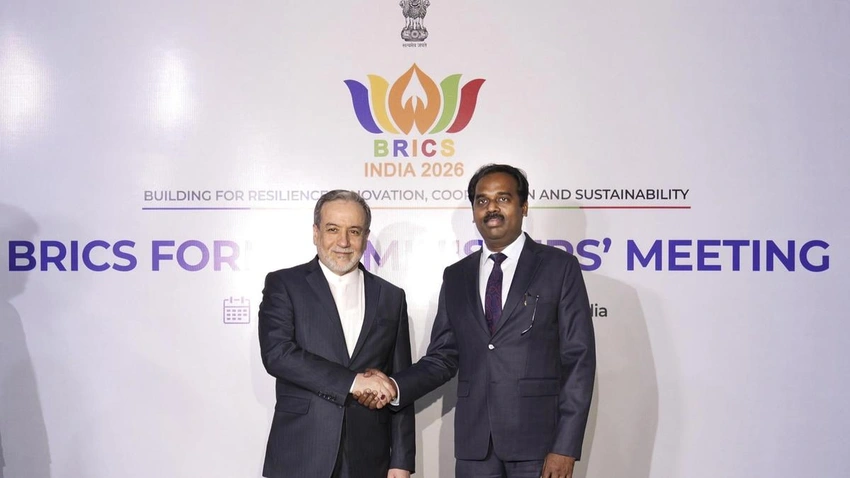
The BRICS foreign ministers’ meeting in New Delhi opened with a sharp back-and-forth between Iran and the United Arab Emirates over the West Asia conflict, overshadowing efforts to craft a joint statement. The exchange highlighted the fragility of consensus among BRICS members on a highly charged regional dispute.
Iran’s foreign minister Araghchi delivered a national statement urging BRICS members and the international community to condemn the “illegal aggression against Iran” by the US and Israel, without making a direct reference to the UAE. His call underscored Tehran’s framing of the conflict as a response to external actions rather than a regional dispute among BRICS states.
The UAE minister addressed the gathering separately, singling out Iran in his remarks and pressing for condemnation of Iranian actions, according to attendees of the session held behind closed doors. After all member states had delivered their statements, Araghchi sought the chair’s permission to respond and accused the UAE of allowing its soil to be used by the United States to carry out strikes against Iran. This prompted a UAE‑side reply before South Africa’s foreign minister Ronald Lamola intervened, arguing that the West Asia war harms everyone and must be stopped.
Araghchi then contended that the UAE violated international law by hosting US bases used to target Iran, signaling a direct escalation in rhetoric at a moment when the bloc had hoped to present a united front. The two‑day meeting, aimed at producing a joint statement, faced a clear test in balancing divergent positions on West Asia—a challenge that could dim hopes for a cohesive BRICS stance on the issue.
The exchanges underscored how sensitive regional dynamics spill over into BRICS diplomacy, threatening not only a unified declaration but also the broader credibility of the bloc as a platform for dialogue on contentious international tensions.
