Student Wallets on Empty? Gas Prices are Hitting Hard!

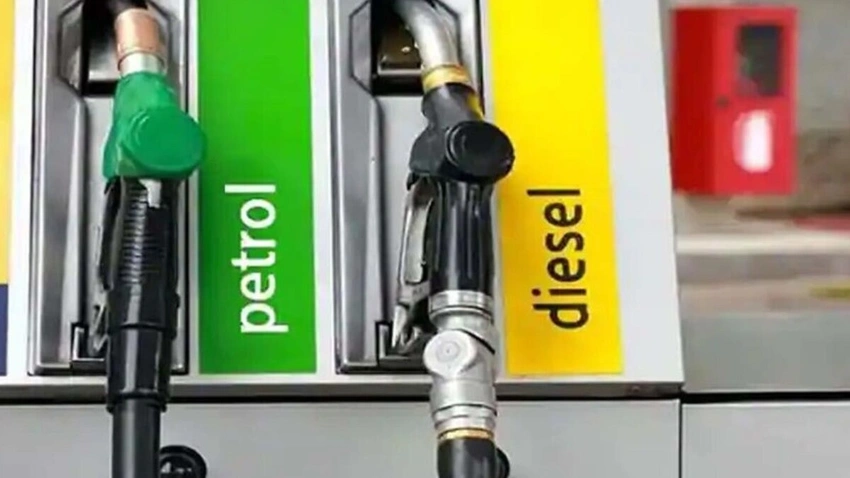
Student Wallets on Empty? Gas Prices are Hitting Hard!
Fuel prices are soaring across cities like Mumbai (Rs 111.21 petrol) and Hyderabad (Rs 115.69 petrol). Discover how these high costs are squeezing student budgets and driving a shift towards greener, smarter travel choic
Petrol prices continue their relentless climb, posing a significant challenge for many, especially students. Imagine juggling tuition, rent, and textbooks, only to face daily commutes with petrol hitting Rs 111.21 in Mumbai, or even Rs 115.69 in Hyderabad. Even in Delhi, petrol sits at Rs 102.12 per litre, and Bengaluru isn't far behind at Rs 111.68.
The Squeeze on Student Budgets
For students, these numbers aren’t just headlines; they’re a direct hit to their already tight budgets. A few litres of petrol can easily eat into funds meant for food, study materials, or even basic living expenses. With diesel also staying high, like Rs 103.82 in Hyderabad or Rs 99.82 in Kolkata, every trip becomes a calculation. Whether it’s getting to campus, part-time jobs, or internships, transportation costs are becoming an unavoidable and increasing burden.
This isn't just about personal vehicles. Even public transport costs can indirectly rise due to higher fuel prices, or students might rely on ride-sharing services that pass on fuel surcharges. The reality is, the days of fuel being a minor expense are long gone. It’s now a major budget item that demands careful consideration.
Driving Towards Sustainable Choices
This financial squeeze isn't just a burden; it’s also a powerful catalyst for change. High fuel costs are pushing many to rethink their daily commutes and explore more sustainable alternatives. We’re seeing a noticeable shift towards:
- Public Transportation: Embracing buses, trains, or metro systems not only saves money but also reduces individual carbon footprints.
- Cycling: For shorter distances, bicycles offer a zero-cost, healthy, and environmentally friendly option.
- Walkability: Choosing residences closer to educational institutions or workplaces to minimize travel needs.
- Ride-Sharing & Carpooling: Splitting costs and reducing the number of vehicles on the road.
While the immediate trigger is financial, the long-term impact could be a generation more attuned to sustainable living. The constant pressure from prices, driven by global crude oil rates, the rupee-dollar exchange rate, and significant central and state government taxes, forces ingenuity.
Understanding the ‘Why’ Behind the Prices
It’s crucial to remember that these price points aren't arbitrary. At their core are international crude oil prices, which dictate the raw material cost. Then there’s the rupee-dollar exchange rate; a weaker rupee makes imported crude more expensive. Finally, taxes levied by both central and state governments add a substantial chunk to the final price, explaining why petrol in Chennai is Rs 107.76, while in Hyderabad it’s Rs 115.69. These layers of costs trickle down directly to your wallet.
The current fuel situation is more than just an inconvenience; it’s a wake-up call. It highlights the vulnerability of our budgets to global markets and policy decisions, while simultaneously encouraging a move towards smarter, greener ways to fuel our lives.
