Best Smart Thermostat in Canada: A Practical Guide for Home Heating Efficiency

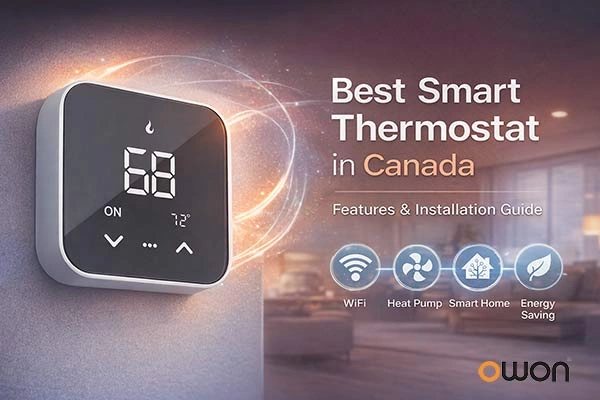
Best Smart Thermostat in Canada: A Practical Guide for Home Heating Efficiency
Looking for the best smart thermostat in Canada? Discover key features, HVAC compatibility, smart home integration, and installation tips for modern smart thermostats.
Smart thermostats have become increasingly popular across Canada as homeowners look for smarter ways to control indoor temperatures, improve comfort, and reduce energy costs. In a country where winters can be long and severe, choosing the best smart thermostat in Canada is not just about convenience — it can also have a real impact on heating efficiency and long-term utility savings.
Unlike traditional thermostats, smart thermostats provide much more than manual temperature adjustment. They can connect to WiFi, support remote access through mobile apps, automate schedules, integrate with smart home platforms, and provide energy usage data that helps homeowners make better decisions.
For Canadian households, these capabilities are especially valuable. Heating demand is high for much of the year, and even small improvements in HVAC efficiency can add up over time. This guide explains the most important features to consider when choosing a smart thermostat for a Canadian home, along with installation factors that can affect performance.
How to Choose the Best Smart Thermostat in Canada
When choosing a smart thermostat, the first step is to understand the needs of the home and the HVAC system. Canadian homes vary widely depending on province, construction type, insulation level, and heating method. Some homes rely primarily on gas furnaces, while others use heat pumps, electric heating, or hybrid systems.
A good smart thermostat should match the HVAC system rather than simply offering attractive app features. Homeowners should evaluate:
- HVAC system compatibility
- support for multi-stage heating and cooling
- remote access and scheduling functions
- smart home integration
- installation requirements such as C-wire availability
- energy-saving features for cold climates
The best thermostat is usually the one that fits both the technical requirements of the HVAC system and the lifestyle of the household.
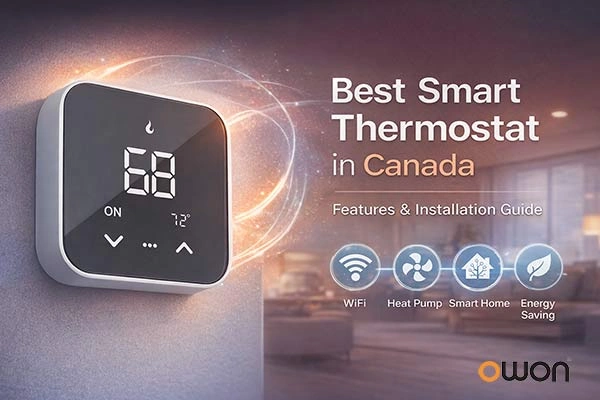
Best Smart Thermostat in Canada for HVAC Compatibility
Compatibility with Canadian HVAC systems is one of the most important considerations. Many homes in Canada use forced-air heating systems, often combined with furnaces, heat pumps, or dual-fuel configurations. In these setups, the thermostat needs to communicate correctly with multiple heating and cooling stages.
Common HVAC configurations found in Canadian homes include:
- 2H/2C conventional systems
- multi-stage heating and cooling systems
- heat pump systems
- dual-fuel systems using a furnace and heat pump together
Choosing a thermostat that supports these configurations helps ensure better temperature control during changing seasonal conditions. For example, in colder regions, dual-fuel switching can improve efficiency by allowing the HVAC system to change heating sources when outdoor conditions require it.
Many advanced devices are also designed as an HVAC smart thermostat with open API 🔗, allowing broader integration with energy management platforms, mobile applications, and automation systems. This can be valuable not only for homeowners who want more control, but also for installers, integrators, and project planners looking for flexible system compatibility.
Smart Home Integration and Automation
Modern Canadian homeowners increasingly expect thermostats to work as part of a larger connected home ecosystem. Voice assistants, mobile apps, and smart automation routines are now common in residential applications.
A smart thermostat that integrates with platforms such as Alexa, Google Home, or Home Assistant can make temperature control much easier. For example, users can set routines that automatically lower heating levels when leaving home and restore comfortable temperatures before returning. Nighttime schedules can also be automated to improve sleep comfort while reducing unnecessary energy use.
Some advanced systems are built around IoT HVAC thermostat solutions 🔗, which allow thermostats to communicate with sensors, gateways, and other connected devices. This broader level of integration can support features such as:
- room-based comfort control
- occupancy-based scheduling
- weather-responsive operation
- coordination with energy monitoring devices
For modern households, smart home compatibility is no longer just a “nice to have” feature. It is becoming part of the expectation for efficient residential HVAC control.
Smart Thermostat Installation Guide for Canadian Homes
Installation is another important factor, especially in older homes. Most residential HVAC systems in Canada use low-voltage 24VAC control circuits, but wiring conditions can vary significantly from one property to another.
Before choosing a thermostat, homeowners should confirm:
- whether the system uses 24VAC low-voltage control
- whether a C-wire is available
- whether the HVAC system is a furnace, heat pump, or dual-fuel system
- whether the system is single-stage or multi-stage
Many smart thermostats can be installed as a straightforward upgrade, but installation can become more complex when dealing with heat pump systems, multi-stage configurations, or missing C-wire connections. In those situations, professional installation may be the safer option.
A qualified installer can also fine-tune settings such as temperature swing, stage timing, and system type selection. These details matter because even a good thermostat can perform poorly if it is not configured properly.
Homeowners who want to learn more about connected climate control can also explore broader IoT HVAC thermostat solutions through OWON’s official content ecosystem.
Energy Efficiency Benefits of Smart Thermostats
One of the biggest reasons Canadian homeowners consider a smart thermostat is the potential for energy savings. Heating makes up a major share of household energy use across much of Canada, especially in provinces with long, cold winters.
Smart thermostats can improve efficiency through:
- automatic schedule adjustments
- occupancy-based setback control
- remote temperature management
- heating and cooling usage reports
- integration with room sensors
These features allow the HVAC system to operate more intelligently instead of running unnecessarily. For example, a thermostat can reduce heating during work hours when no one is home, then restore comfort levels before occupants return. Over time, this can help reduce waste without sacrificing comfort.
Energy reports are also useful because they help homeowners understand heating patterns and identify opportunities for further optimization. In some cases, users may discover that a simple schedule change can lower monthly costs.
Climate Considerations for Canadian Homes
Canada’s climate makes thermostat performance more important than in many other markets. Long heating seasons mean the thermostat plays a central role in maintaining comfort for much of the year.
In colder regions, a thermostat should be able to support:
- stable heating control
- efficient staging logic
- heat pump compatibility where applicable
- temperature scheduling that reflects seasonal routines
Homes in milder areas may focus more on balancing both heating and cooling, while homes in colder provinces may prioritize reliable furnace or dual-fuel operation. In either case, choosing a thermostat built for North American HVAC applications is usually the best path.
The thermostat should not just look modern — it should also operate reliably under real seasonal demand.
Final Thoughts
Choosing the best smart thermostat in Canada involves more than selecting a modern-looking device with app control. The thermostat should match the home’s HVAC system, support smart home integration, and provide real benefits in terms of comfort, convenience, and energy management.
For Canadian households, the most valuable features often include HVAC compatibility, reliable WiFi connectivity, flexible scheduling, installation readiness, and energy-saving intelligence. A well-chosen smart thermostat can improve everyday comfort while also helping reduce heating costs over time.
For homeowners, installers, or project decision-makers evaluating advanced residential HVAC controls, smart thermostat selection should always begin with system compatibility and long-term usability.
