Toxic Haze Spreads: Indonesia's 'Super El Nino' Fuels Devastating Wildfires

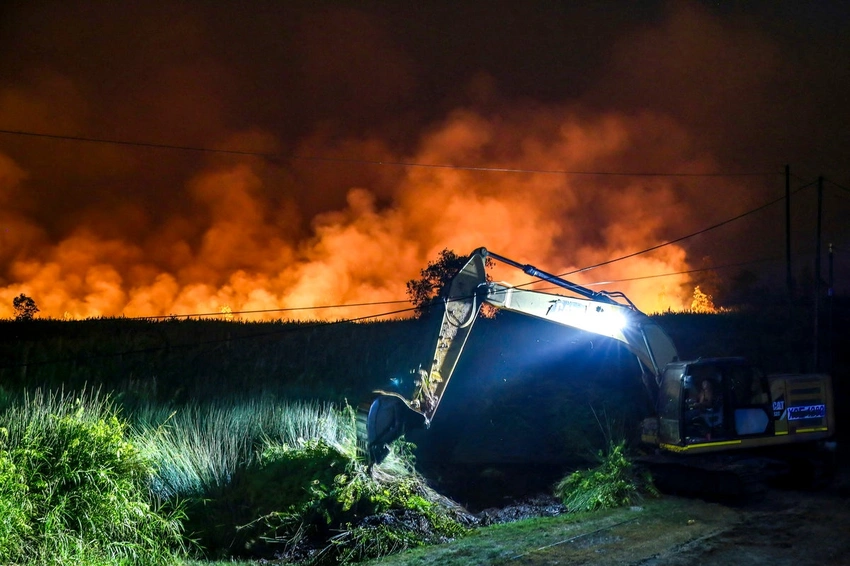
Toxic Haze Spreads: Indonesia's 'Super El Nino' Fuels Devastating Wildfires
Indonesia battles 'super El Nino'-fueled wildfires, creating hazardous air quality and toxic haze spreading across Southeast Asia. Officials warn of a worsening crisis impacting health and wildlife. #ElNino #IndonesiaWil
Wildfires are currently ravaging vast areas of Indonesia, pushing air quality to dangerously hazardous levels and blanketing cities hundreds of miles away in a toxic haze. Officials warn that this crisis is set to intensify as the powerful El Niño weather pattern reaches its peak this month, exacerbating already severe drought conditions.
Indonesian forestry minister Raja Juli Antoni confirmed that while hotspots had seen a slight reduction by the end of August, the battle is far from over, emphasizing, "September is the main fight for us." The "super El Niño" conditions are deepening drought across the country, creating ideal conditions for the rapid spread of these blazes. Between January and July alone, over 200,000 hectares of land were consumed by fire, with 95,000 hectares burned in July, a month that saw average temperatures hit a 35-year high.
The ecological and health consequences are dire. The fires are raging through habitats of endangered Bornean orangutans, leaving them struggling to breathe. The hazardous air quality, visible as a purple blanket on air quality forecasts, isn't confined to Indonesia; it's spreading into neighboring countries, posing a significant public health threat across Southeast Asia.
Authorities stress that many of these disasters are largely man-made, with fires deliberately set by individuals or companies to clear land for agriculture, a practice that persists despite government crackdowns.
The environment ministry has identified 42 companies with land concessions at high risk and fined six forestry permit-holders.
Police have also arrested 72 individuals suspected of arson.
In an effort to combat the blazes, officials have deployed weather modification technology to induce rainfall and are actively using water bombing tactics.
The severity of this situation is underscored by broader warnings about El Niño's global impact.
The UN has cautioned that there's 'no time to lose' as a record 'supersized' El Niño approaches, with forecasts suggesting it will raise the risk of floods, drought, and extreme heat well into 2027. The US has also warned of a 'very strong' El Niño bringing risks of floods and extreme heat until at least February.
While El Niño is a natural climate phenomenon, its current intensity and the exacerbation of human-caused environmental destruction present an urgent global challenge.

Login to comment.
No thots yet. Be the first to share your thoughts!