Oil jumps to $116 as Middle East war escalates, energy markets reel

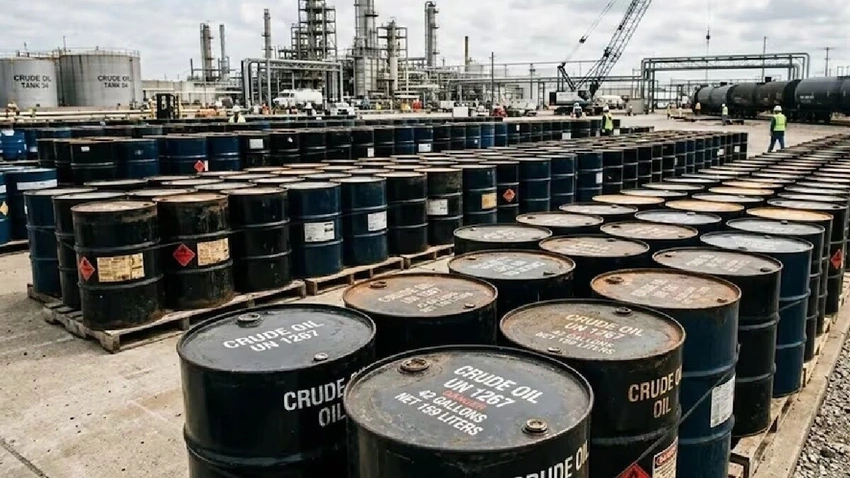
Oil jumps to $116 as Middle East war escalates, energy markets reel
Oil prices surge on escalating Middle East tensions, signaling a global energy shock that could raise fuel costs worldwide.
Oil jumped to $116 a barrel as signals emerged that the U.S.-Israeli confrontation in Iran could be widening, threatening to choke critical energy supplies. Traders reacted to headlines suggesting deeper disruption to supply lines and refining capacity, sending prices higher across the board.
Brent crude, the global price benchmark, surged from about $73 per barrel to over $100 in a matter of weeks, marking one of the sharpest moves in recent memory. The move underscored how quickly geopolitical headlines can translate into market volatility and pressure on energy costs.
Diesel prices have surged in several countries as crude gains ripple through refined products. Estimates show the Philippines up about 81.6%, Nigeria about 78.3%, Malaysia roughly 57.9%, the United States around 41.2%, and Germany near 30.9%. By contrast, Russia edged up about 0.5%, while India and Saudi Arabia reported little to no change. These spikes illustrate how fluctuations in crude feed into transportation, logistics, aviation, and manufacturing costs around the world.
Energy analysts warn that if tensions in West Asia escalate further, crude could stay above $100 for an extended period, risking higher inflation and tighter budgets for governments, businesses, and consumers alike.
Markets also reflected new headlines from the region, with reports that Yemen’s Houthis fired missiles at Israel, potentially opening a fresh front in the broader conflict. The development reinforced concerns that volatility could persist as governments and traders reassess supply reliability and strategic reserves.
Across Asia and Europe, policymakers and businesses brace for higher energy bills as fuel costs ripple through economies, potentially affecting growth, trade, and everyday spending.
