China radar locks on Japanese jets near Okinawa, stoking tensions

China radar locks on Japanese jets near Okinawa, stoking tensions
Two Chinese J-15 fighters from the Liaoning carrier directed fire-control radar at Japanese F-15s over international waters near Okinawa, drawing protests and calls for de-escalation.
Two separate incidents unfolded on December 6, 2025, as Chinese fighter jets from the Liaoning aircraft carrier directed fire-control radar at Japanese F-15s over international waters southeast of Okinawa. Japan described the radar illumination as excessive for safe flight and lodged a formal protest. The J-15s were reportedly launched from the Liaoning and operated near the Miyako and Yonaguni areas, keeping a cautious distance from Japanese aircraft while conducting air operations in the region. No airspace breach or injuries were reported, but the events heightened concerns about riskier encounters in crowded East Asian airspace.
In a subsequent briefing, Tokyo reiterated that the actions were dangerous and unnecessary, emphasizing that the radar locks occurred during routine flight operations and did not justify aggressive maneuvers. The incidents come at a time of increased sensitivity around Taiwan and disputed territories near Yonaguni Island, which lies only about 110 kilometers from Taiwan and has long been a flashpoint in Sino-Japanese tensions. The Chinese side has not acknowledged any wrongdoing, framing the flights as part of legitimate training near its waters.
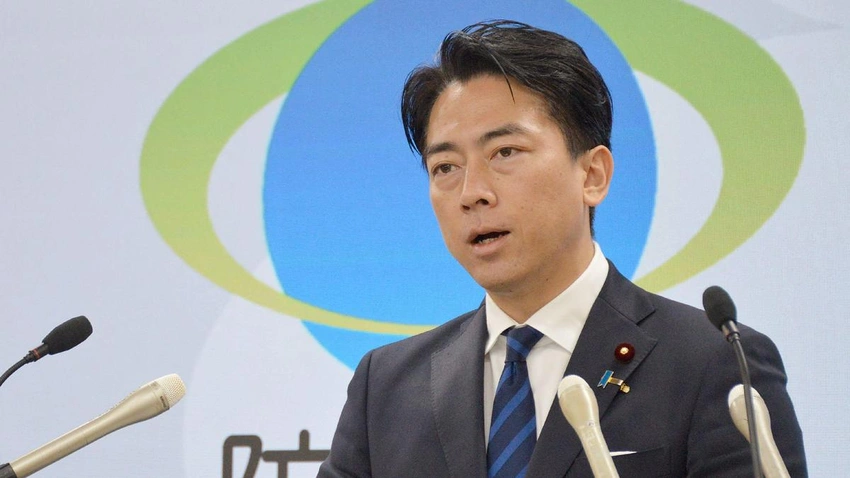
On December 7, Japan and Australia urged calm and restraint, with Defense Minister Shinjiro Koizumi calling the incidents extremely regrettable and dangerous, and stating that Tokyo had demanded preventive measures from Beijing. China’s Ministry of Defence, through official channels, described the operations as routine training and urged Japan to stop ‘slandering’ and to exercise restraint. The clash of narratives underscores the fragility of regional security, even as there is no immediate escalation on the ground. The United States maintains a substantial presence in Okinawa, underscoring the broader security framework surrounding these incidents.
Analysts warn that such close encounters increase the risk of miscalculation and could complicate a period already tense over Taiwan and contested territories. The developing situation highlights the importance of channels for crisis communication and de-escalation as regional powers navigate a complex security landscape in East Asia. As governments exchange protests and defenses linger, regional observers will be watching for any unintended consequences that could draw in other actors.
Cover image source: China’s jets directed fire-control radar at Japanese aircraft over international waters, Tokyo says 🔗
