Lindsey Graham's Death: What's Next for US Russia Sanctions?

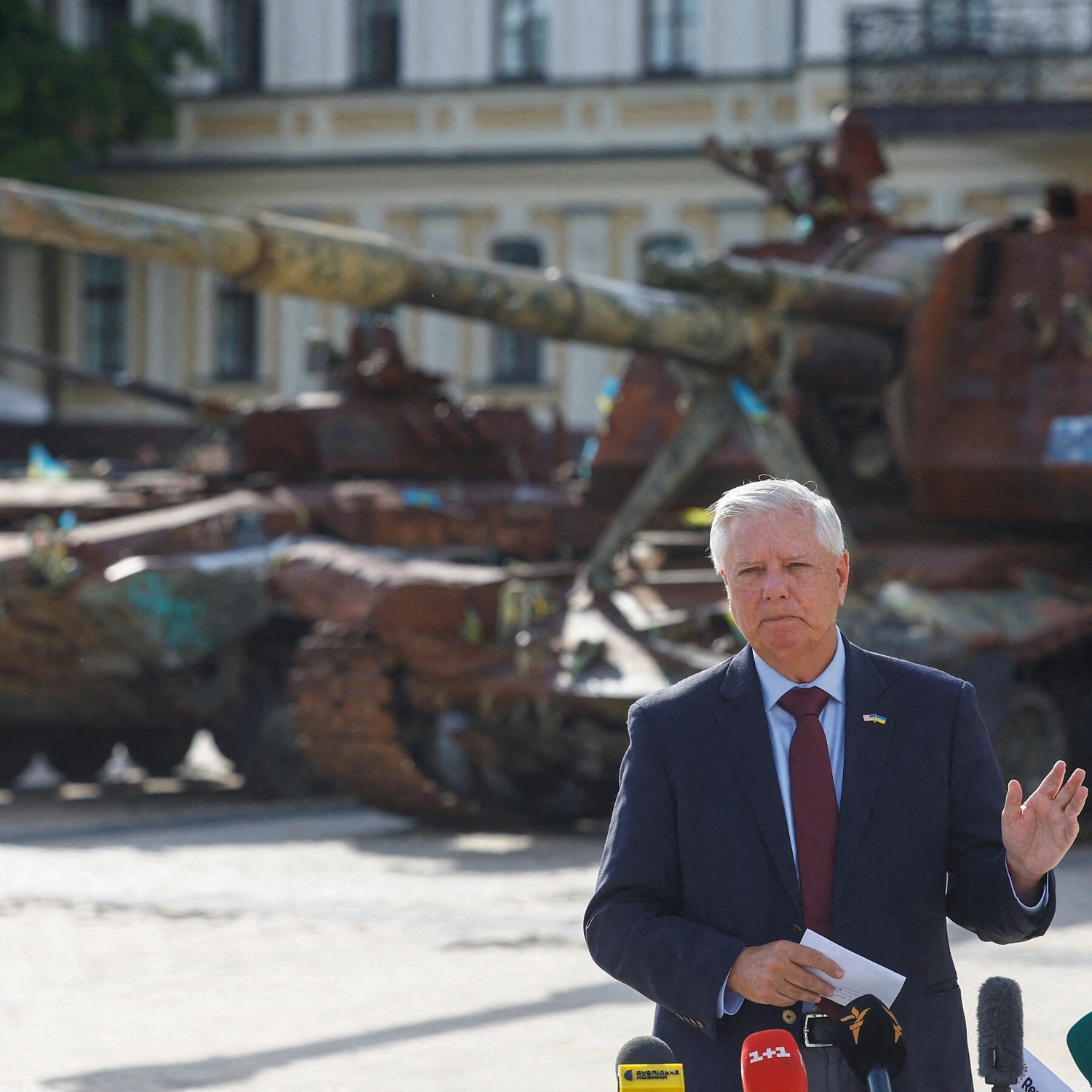
Lindsey Graham's Death: What's Next for US Russia Sanctions?
Senator Lindsey Graham's unexpected death leaves a key bipartisan Russia sanctions bill hanging in the balance. Will his legacy push it forward or halt its progress?
The political landscape in Washington D.C. has been significantly shaken by the unexpected death of Senator Lindsey Graham. A prominent Republican from South Carolina, Graham was widely known as one of the toughest critics of Russia in the U.S. Senate, a reputation he carried fiercely since the passing of his close friend and ally, Senator John McCain, in 2018.
At the time of his death, Senator Graham was passionately championing a crucial bipartisan bill aimed at imposing new sanctions on Russia. He had been working closely with Senator Richard Blumenthal (D-Connecticut) to push this legislation through, highlighting the urgency of penalizing Moscow for its actions.
Now, with Graham's sudden departure, the fate of this significant bill hangs in uncertainty. Supporters from both Democratic and Republican parties are grappling with how to proceed. There's a strong sentiment that the measure, which Graham tirelessly advocated for, should gain momentum as a tribute to his memory and his unwavering stance against Russia. Many hope that his legacy will inspire lawmakers to honor his efforts by ensuring the bill's passage.
However, the absence of its primary champion creates a void, and questions arise about who will now take up the mantle with the same vigor. The coming days will reveal whether this bipartisan effort will be energized by a desire to honor Graham's work or if it will falter without his forceful leadership. The future of US policy towards Russia, as embodied in this sanctions bill, now faces an unforeseen pivot point.
