Iran briefly closes Strait of Hormuz during drills, stoking oil-market fears

Iran briefly closes Strait of Hormuz during drills, stoking oil-market fears
Iran's partial shutdown of the Strait of Hormuz during live-fire drills raises concerns for global oil flows as indirect nuclear talks in Geneva continue.
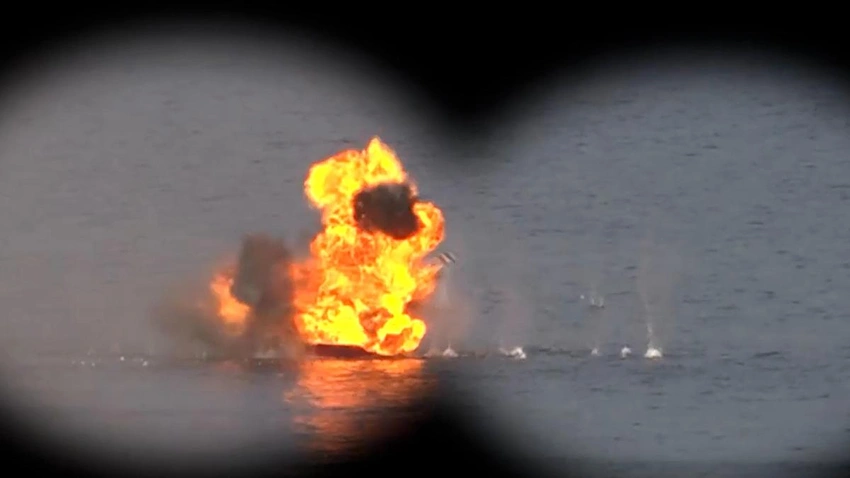
Iran temporarily shut parts of the Strait of Hormuz during live-fire drills as tensions with the US escalated alongside nuclear talks in Geneva. The rare move revived fears of disruption to global oil flows, energy markets, and maritime security in one of the world’s most critical shipping routes. Tehran said the closure lasted only hours for safety.
The Strait of Hormuz is the narrow, pivotal channel linking the Persian Gulf to the Gulf of Oman, and it serves as the main exit for Gulf oil and gas to the wider world. Any restriction in the strait can jolt global markets, with particular sensitivity in Asia, where energy demand remains strong.
Iran has harassed vessels before but has not imposed such a closure since the 1980s. The move comes as the United States has stepped up military deployments and warned of potential force, even as regional unrest follows a crackdown on protests.
The strait sits near major hubs in the United Arab Emirates, with Dubai and other Gulf cities closely watching developments. International law recognizes the right of ships of all nations to transit through this international waterway, even as states weigh strategic leverage in a volatile region.
Analysts say the incident underscores the fragility of global energy supply routes in times of regional tension. Traders and energy-importing nations will be closely watching any subsequent moves, while diplomatic efforts in Geneva aimed at nuclear talks continue to influence how events unfold in the Gulf.
Historically, the Hormuz corridor has been a sensitive choke point; authorities and shipping interests alike are reminded of how quickly a short closure can ripple through markets and prompt risk reassessment across insurers, freight rates, and regional security postures.
