The Rise of Smart Facilities: Tesla’s Optimus Takes Center Stage

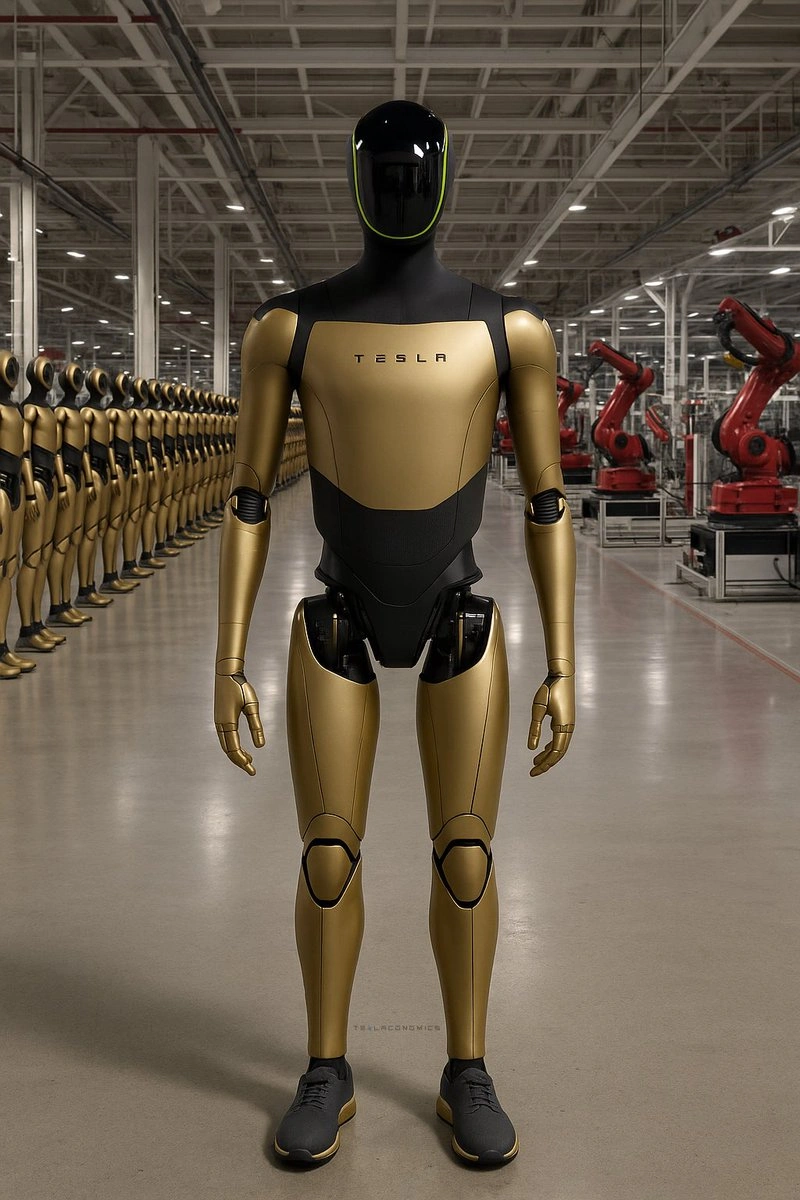
The Rise of Smart Facilities: Tesla’s Optimus Takes Center Stage
The Rise of Smart Facilities: Tesla’s Optimus Takes Center Stage
Explore how Tesla's Optimus humanoid could automate routine facility tasks, reduce hazardous labor, and boost productivity with advanced AI, sensors, and dexterity.
We will explore some of the innovative technologies that will transform the management of the facility. We are discussing the Optimus robot by Tesla, the newest invention of Elon Musk. The highly developed humanoid robot is aimed at addressing a vast array of activities and could replace labor in the trades. Let us deconstruct the way Optimus is going to transform the game.
Years in the making
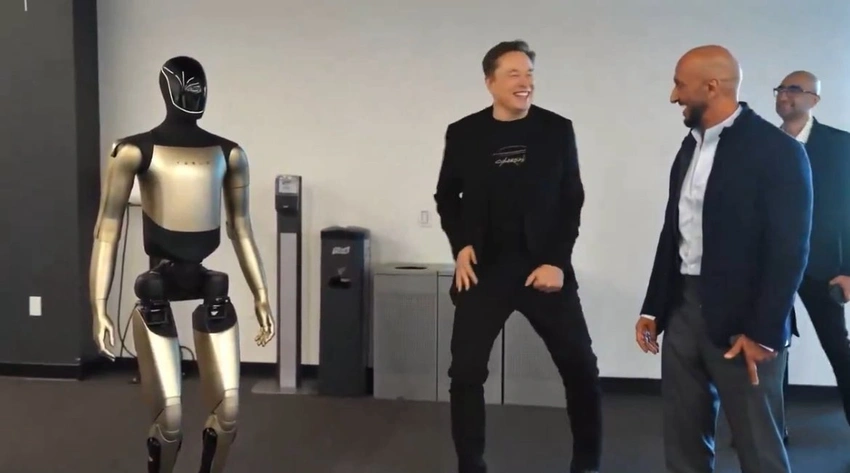
The Tesla robot shown at Tesla's AI Day on August 2021 is called Tesla Bot or Optimus, a robot created by Tesla. The idea was to create a humanoid robot to perform routine, repetitive chores, thereby freeing man from hazardous, menial, or dull labor.
Musk highlighted the possibility of robots solving labor shortages and enhancing productivity, in general. Now in 2026, we have the second generation of the robot, Optimus. The version is more dextrous, has better AI capabilities, and features more advanced sensors and actuators, allowing it to execute a broader repertoire of tasks with greater accuracy and reliability.
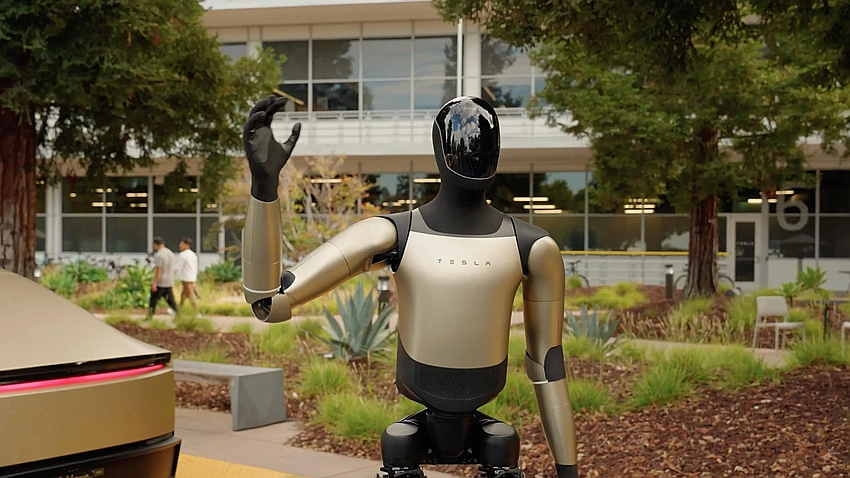
The way Elon Musk envisions Optimus is not only industrial. He envisions a time when these robots might be incorporated into our homes to perform household tasks and daily chores, which will improve the quality of life, and people can do more creative and fulfilling tasks. Musk sees a world in which physical labor will become an option. The more affordable and competent Optimus robots are, the more people will be able to access high-quality assistance and support, and more of the population will be able to receive it. This may cause major societal transformations where people can carry out their interests and do meaningful work without the burden of daily labor.
Facility management revolution
Facilities management has a huge labor shortage, including regular maintenance and complicated repairs. You are in the Optimus Gen 2 robot of Tesla. Using its developed dexterity, that provides it with the ability to perform delicate operations accurately, the fine motor skills that allow it to be agile in working with tools and equipment in a manner that can be likened to that of a human worker, and AI-driven functions, this robot is set to operate in the areas that are traditionally occupied by human workers and close the existence of gaps that are critical in the workforce.
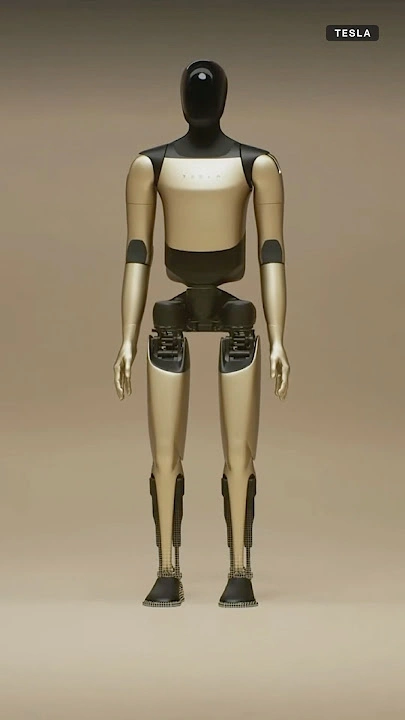
Optimus is capable of undertaking numerous critical tasks in the management of facilities. Its sophisticated sensors and actuators make it easy to coordinate its precision during maintenance to complex repairs. An example is that it can test and replace air filters, test plumbing and electricity, and undertake small repairs on its own. This implies that the companies can depend on Optimus to take care of activities that are now difficult to staff since there is a shortage of labor.
Optimus is a game-changer in facility management. The possibility of functioning on its own and combining with AI-based diagnostic systems enables it to detect possible problems prior to their transformation into significant ones. As an illustration, it is able to predict when equipment is going to fail and where preventive maintenance needs to be taken. This proactive maintenance strategy is able to avoid expensive downtime and prolong life of the equipment and facilities to facilitate a smooth and efficient operation.
Optimus will be able to save on labor costs through automation of repetitive and labor-intensive processes. It has better performance in terms of efficiency and accuracy and thus better performance and quality. To businesses, it will help them achieve high levels of service delivery, customer satisfaction, and reduce costs associated with the need to employ human labor.
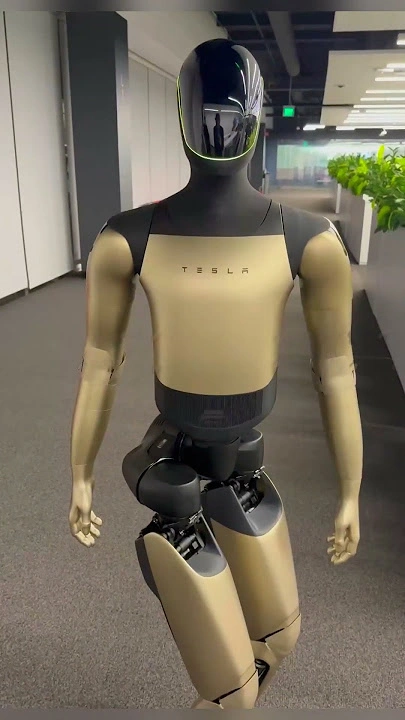
The tactile sensing capability and accurate control of Optimus are characteristics that make it fit to handle a number of different tasks in facilities management. It can be working with tools, conducting comprehensive inspections, or executing maintenance tasks; either way, this robot can work in a consistent and reliable manner. Its high mobility enables it to steer through most working locations, including narrow areas within HVAC systems to large manufacturing premises.
Advantages that supersede difficulties
Although the benefits of Optimus and other AI-based robots are quite significant, it is necessary to consider possible challenges. Initial outlay in robotic systems such as Optimus can be high and the workforce may have reluctance or fear of being displaced by the robots. Nonetheless, the economic advantages in the long run are enormous.
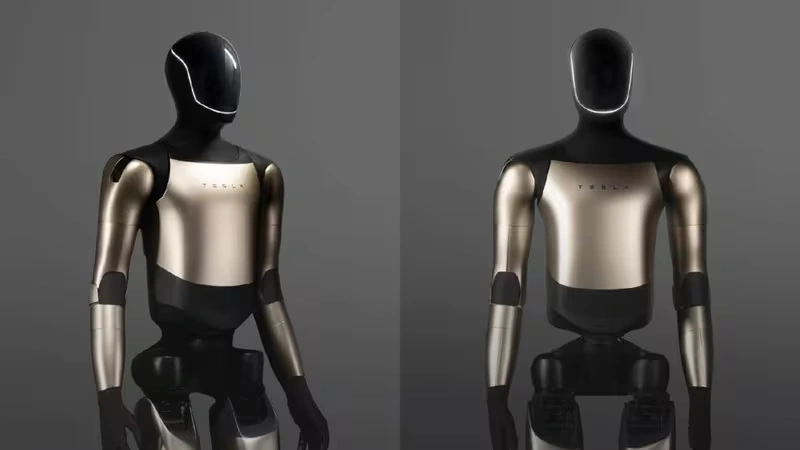
Lower labor expenses, improvement in efficiency and quality standards translate to increased profitability and competitiveness of businesses in terms of facility management. Additionally, with the increased jobs that are entrusted to Optimus, it will provide the human workers with more job prospects in more demanding positions that need complex decision-making and customer interaction.
The lack of qualified staff in managing facilities is a well-recorded problem. Optimus has the potential to fill this gap because it can perform tasks that do not necessarily require human intuition, but are precise and reliable. This enables the human skilled workers to work on more complex and finer tasks and optimize workforce.
Prospects
With the transition to a scenario where doing physical work will be an option, the inclusion of AI-powered robots such as Optimus in the management of facilities will grow more significant. Companies that embrace this technology early will enjoy a competitive advantage because of increased efficiency and low operational cost.
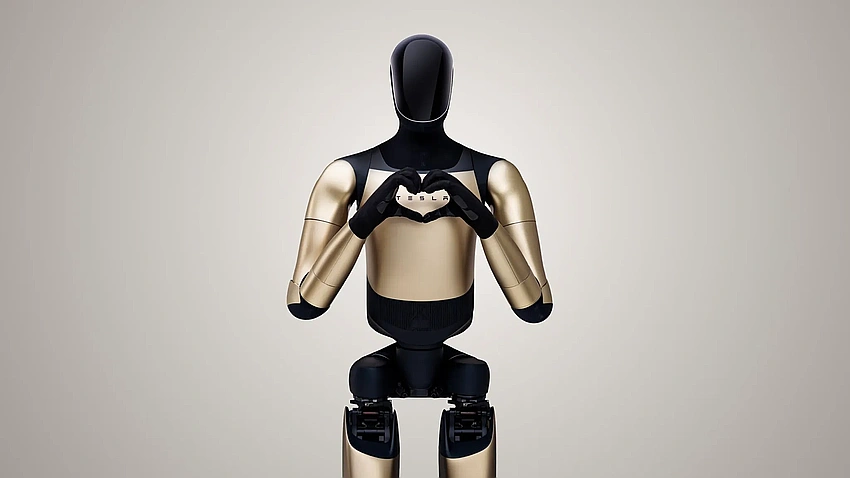
Optimus Gen 2 robot by Tesla is a ground-breaking development in managing facilities. The multi-purpose nature of such technology allows it to perform a wide range of activities, including daily maintenance and complex repairs. This could solve the problem of the shortage of labor and change the manner in which businesses are conducted. With developments in this technology, there is a potential of a major advancement in the efficiency of operations, reduction of costs and provision of more rewarding jobs to human employees.
So there you have it. Optimus is not merely a robot; it is a revolution. Keep watching us to find out more about how this revolutionary technology will revolutionize facility management and other areas.

Login to comment.
No thots yet. Be the first to share your thoughts!