Delhi Protests Spark UN Row: India Rejects "Unwarranted Interference" Over Detentions

Delhi Protests Spark UN Row: India Rejects "Unwarranted Interference" Over Detentions
Thousands detained in Delhi during protests against CEC. UN Human Rights Office expresses concern, demanding release. India slams UN's remarks as "unwarranted interference." Dive into the unfolding diplomatic dispute ove
Delhi witnessed a significant security operation on Saturday as thousands of protesters, including prominent opposition leaders and activists like Dhruv Rathee, were detained. Their objective was to march towards Jantar Mantar to demand the resignation of Chief Election Commissioner Gyanesh Kumar.
The core of their grievance lies in alleged irregularities within electoral rolls and the Special Intensive Revision (SIR) process, raising questions about the integrity of the upcoming elections.
The mass detentions quickly drew international attention. The UN Human Rights Office publicly expressed its concern, emphasizing the fundamental right to peaceful assembly.
It urged Indian authorities to exercise restraint and called for the immediate and unconditional release of all arbitrarily detained individuals.
This intervention highlighted a growing international scrutiny of India's handling of dissent.
India, however, swiftly rejected the UN's criticism, labeling it as “misplaced” and an “unwarranted interference” in its internal affairs. New Delhi firmly asserted that the right to peaceful assembly is constitutionally guaranteed within the country, but stressed that such protests remain subject to reasonable restrictions.
The government maintained that its authorities acted strictly in accordance with the law, defending their actions amidst the crackdown.
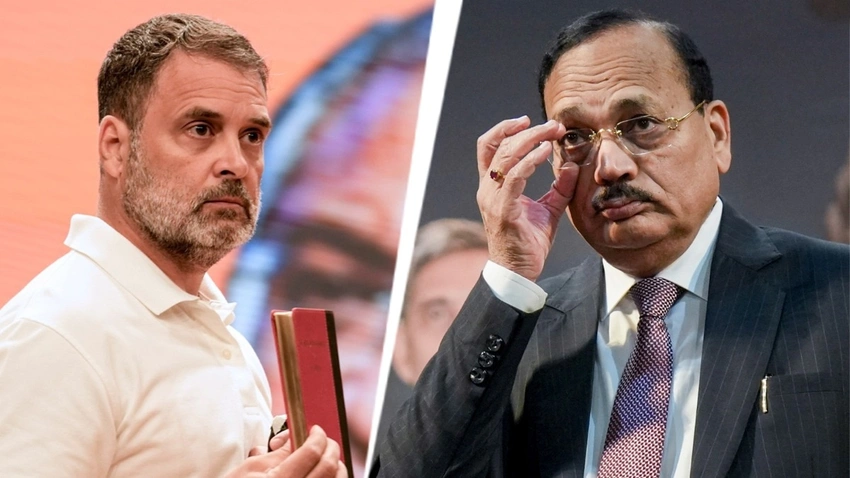
Adding another layer to the unfolding situation, the Chief Justice of India, Surya Kant, refused a meeting request from the INDIA bloc. Opposition leaders, including Rahul Gandhi and Mallikarjun Kharge, had sought an audience to present a memorandum concerning the protest's demands. CJI Kant reportedly stated that the Supreme Court should not be "dragged" into such matters, signaling a reluctance to intervene directly in political demonstrations.
Further complicating the landscape for future demonstrations, Delhi Police has de-notified Jantar Mantar as a designated protest site.
This move marks a significant shift in the city's protest arrangements, effectively rerouting future demonstrations to three alternative venues.
The decision is seen by many as an attempt to control and disperse large gatherings, potentially making it harder for protesters to centralize their efforts.
The "Chalo Delhi, March for Democracy" called by Congress for Monday highlights the ongoing determination of protesters despite the obstacles.
The ongoing situation underscores a critical tension between the right to protest and state authority, further complicated by international observations and domestic political maneuvers. The refusal of the judiciary to engage and the re-designation of protest sites suggest a concerted effort by authorities to manage and contain the demonstrations.
