The Psychology of a Glow-Up After Heartbreak

The Psychology of a Glow-Up After Heartbreak
The Psychology of a Glow-Up After Heartbreak
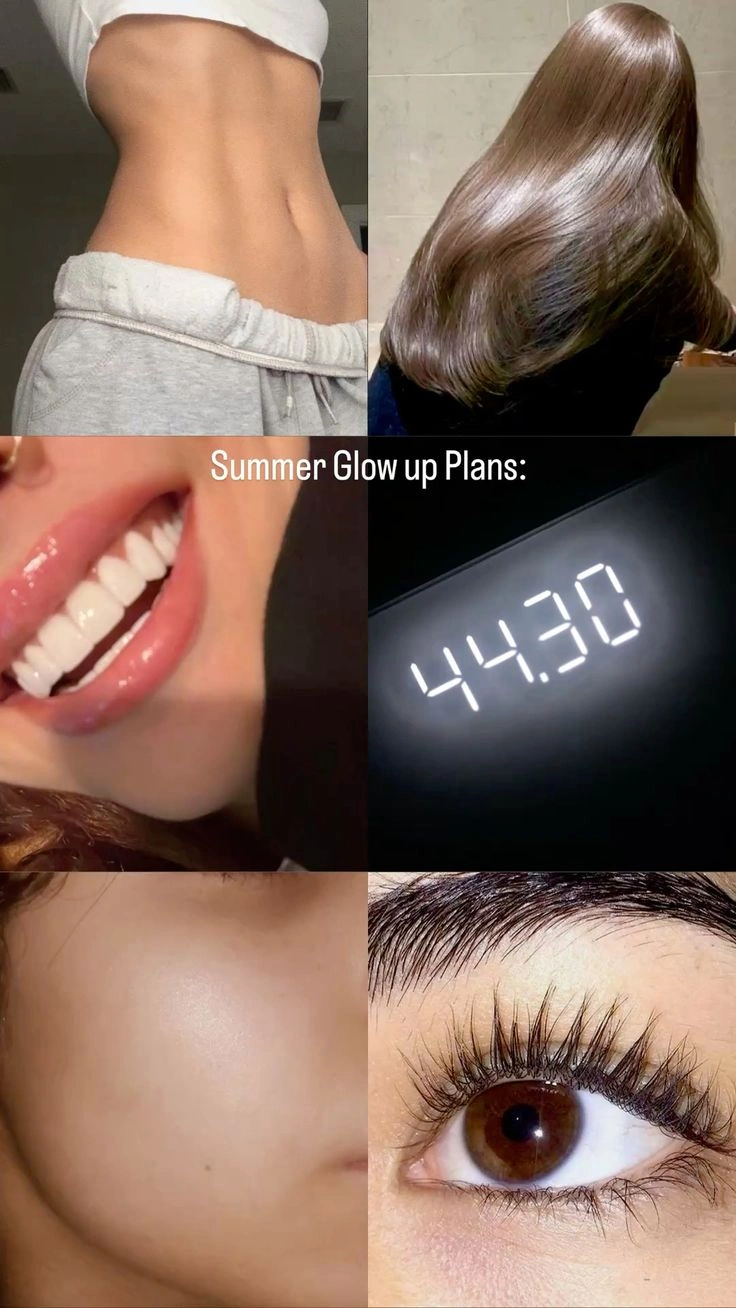
A glow-up after heartbreak is often described from the outside as something visual: better skin, improved style, healthier routines, a changed appearance, new confidence, perhaps a version of someone who suddenly looks brighter than before. Social media often presents it as a dramatic transformation: someone leaves a painful relationship and emerges visibly improved, as though heartbreak itself produced beauty.
But psychologically, a glow-up after heartbreak is rarely about appearance first.
What people call a glow-up usually begins as an internal attempt to regain structure after emotional disruption.
Heartbreak creates a specific kind of psychological instability because it affects more than emotion. It alters routine, attention, self-image, and even the body’s ordinary sense of safety. A person you spoke to daily may suddenly disappear from your day. Familiar conversations stop. Expectations collapse. Even small habits: checking your phone, thinking in relation to another person, organizing time around shared presence: remain active after the relationship has changed.
This creates internal disorientation.
The mind often responds by searching for control.
And that search for control is where many glow-ups begin.
After heartbreak, people frequently turn toward visible habits because visible habits offer measurable progress. Skin care works because it creates a ritual. Exercise works because it gives the body movement when thoughts feel heavy. Reorganizing clothing, changing hair, improving sleep, adjusting food, or building a routine all create evidence that something is moving forward, even if emotionally clarity has not yet arrived.
This is psychologically significant.
The reason appearance often improves during this phase is not because beauty becomes the true goal, but because repeated self-attention affects how a person looks naturally. Better sleep, hydration, posture, reduced emotional chaos, more careful routines: all of these become visible over time.
But what people notice externally is often only the surface of deeper internal reorganization.
There is also a neurological reason glow-ups often feel powerful after heartbreak. Emotional pain activates many of the same systems involved in stress, including disrupted sleep, repetitive thought, and heightened attention toward what has been lost.
Structured habits interrupt this cycle.
Exercise changes nervous system regulation.
Daily rituals reduce mental chaos.
Even small repeated acts: making tea, journaling, skincare, walking, cleaning your room—send signals of continuity back to the mind.
This continuity creates emotional steadiness.
And steadiness gradually becomes visible as confidence.
Confidence after heartbreak often looks attractive because it is not the same as earlier confidence. It usually carries more self-awareness. A person who has emotionally struggled and rebuilt routines often moves differently: not louder, but clearer.
This is why many glow-ups appear especially striking: what people notice is often emotional clarity becoming visible through posture, expression, and energy.
Not simply appearance.
There is also a common misunderstanding that glow-ups after heartbreak are motivated mainly by proving something to another person. While this can exist initially, it rarely sustains real change for long.
Lasting glow-ups happen when the focus shifts inward.
At first, someone may want visible improvement to feel seen differently. But over time, what remains valuable is not external reaction: it is discovering that daily life feels better when self-care becomes normal rather than emotional compensation.
That is when healing becomes real.
The glow-up stops being performance and becomes lifestyle.
And perhaps that is why heartbreak so often precedes visible growth: because emotional endings force confrontation with neglected parts of life.
Not everyone responds by improving immediately. Some periods remain messy first.
But eventually, many people begin rebuilding in small ways.
And those small ways accumulate.
Clearer mornings.
Better habits.
More careful boundaries.
A calmer face.
A stronger sense of self not because pain disappeared, but because life slowly reorganized around it.
That is the psychology of a glow-up after heartbreak: not beauty emerging magically from pain, but structure returning where emotional disruption once lived.
And when structure returns gently, people often begin to look like themselves again: sometimes clearer than before.
