DGCA clears Air India's B787 fuel-switch scare after London-Bengaluru flight

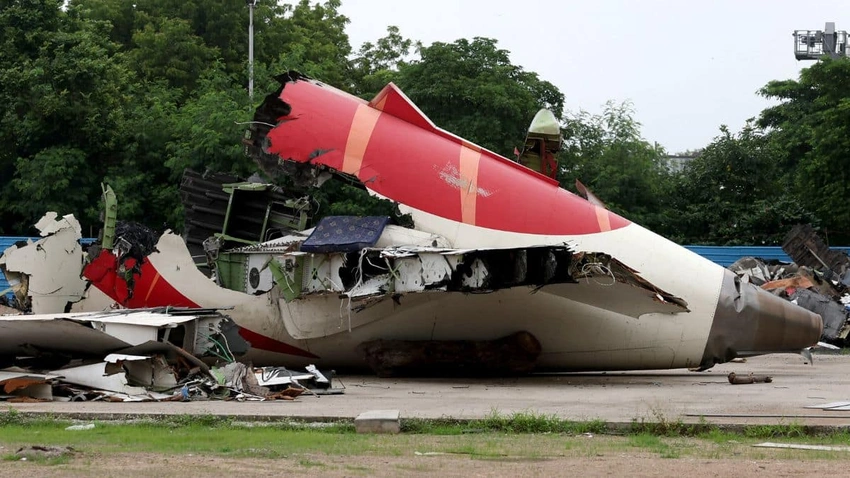
DGCA clears Air India's B787 fuel-switch scare after London-Bengaluru flight
DGCA dismisses claims of a fuel-switch fault on Air India's Boeing 787, saying the issue was a temporary latch issue with no engine abnormalities.
The Directorate General of Civil Aviation (DGCA) issued a detailed clarification regarding reports of a purported malfunction of a fuel cut-off switch on an Air India Boeing 787-8 aircraft, dismissing suggestions of a technical failure and calling a viral social media video incorrect. The clarification pertains to Air India flight AI 132 operating from London to Bengaluru on February 1, 2026, using a Boeing 787-8 aircraft VT-ANX. During engine start-up in London, the flight crew observed on two occasions that the fuel control switch did not remain positively latched in the RUN position when light vertical pressure was applied. On the third attempt, the switch latched correctly and remained stable. The crew conducted a physical verification to ensure the switch was fully and positively latched before proceeding. No abnormal engine parameters, warnings, cautions, or system messages were observed during engine start or at any point thereafter. The flight continued as planned and landed in Bengaluru without incident. Following arrival, the crew logged the observation in the post-flight defect report (PDR). Air India subsequently referred the matter to Boeing for guidance. Based on Boeing’s recommended inspection procedures, Air India’s engineering team examined the fuel control switches. Both left and right switches were checked and found satisfactory, with the locking tooth/pawl fully seated and not slipping from RUN to CUTOFF. When full force was applied parallel to the base plate, the switch remained secure. However, applying external force in an incorrect direction caused the switch to move easily from RUN to CUTOFF, due to the angular base plate allowing slip when pressed improperly with finger or thumb. The DGCA reaffirmed that there was no evidence of a fault and urged continued monitoring and proper handling procedures.
