Judge rules Mangione won’t face death penalty in federal case

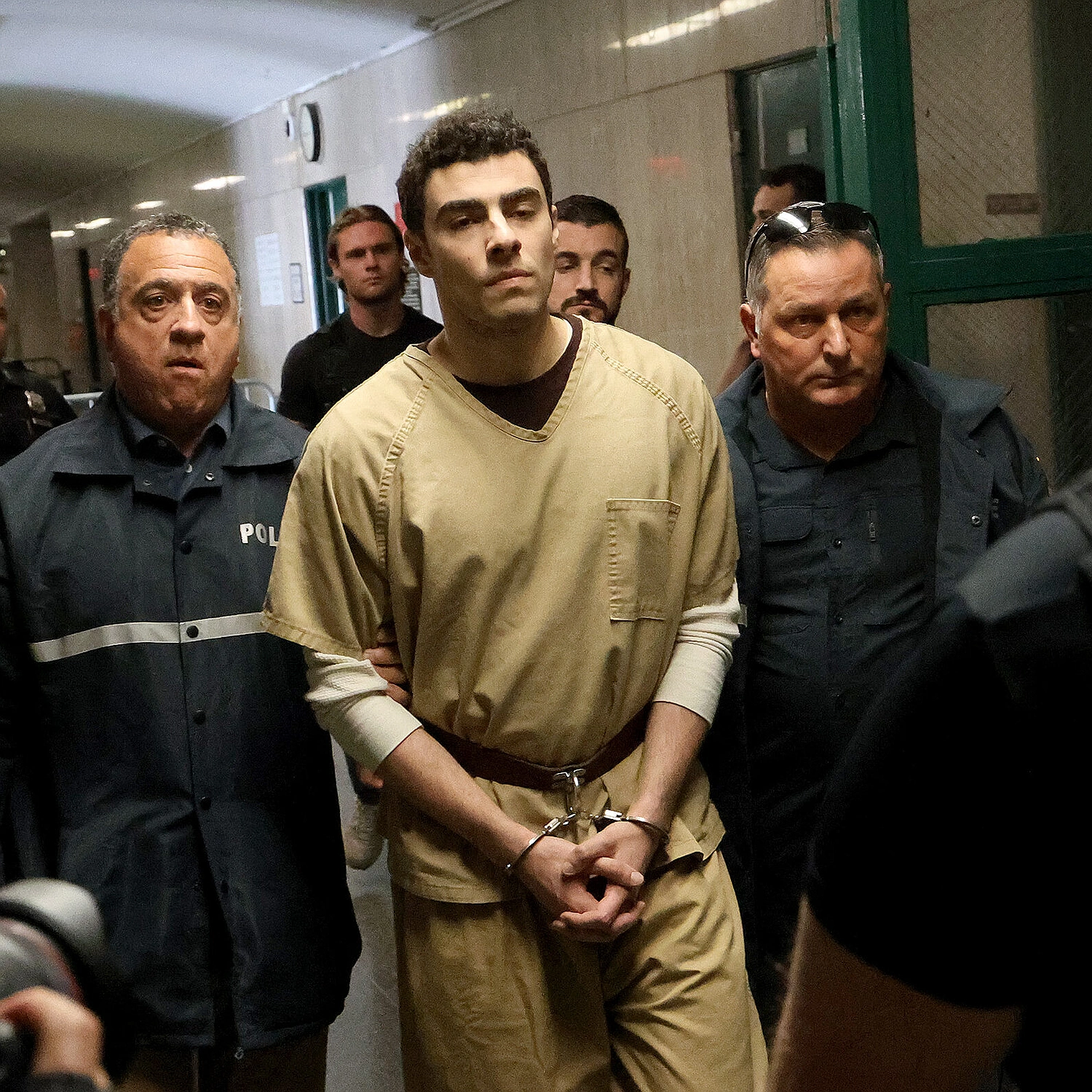
Judge rules Mangione won’t face death penalty in federal case
A federal judge bars the death penalty in Mangione's federal case over gun charges tied to the UnitedHealthcare CEO shooting, while stalking charges remain and a jail-impersonation incident adds drama.
A federal judge in New York ruled that Luigi Mangione will not face the death penalty if he is convicted on federal charges tied to the December 2024 shooting of Brian Thompson, the chief executive of UnitedHealthcare, on a busy Manhattan street. The ruling, delivered by US District Judge Margaret Garnett, came as she dismissed two of the four federal firearms charges on the legal finding that they did not meet the statutory definition of a crime of violence.
That leaves stalking charges in place that could carry life in prison, and Mangione still faces separate state murder charges. Mangione has pleaded not guilty to all federal and state counts. Federal jury selection in the case is scheduled to begin Sept. 8, with opening statements set for Oct. 13. State prosecutors say they could push to try Mangione as soon as July 1.
Judge Garnett also allowed prosecutors to use evidence from a backpack Mangione wore at his arrest—items including a gun, fake IDs, and a notebook filled with writings about his grievances against the private healthcare system—over defense objections about an allegedly illegal search.
Prosecutors contend the material is relevant to motives and preparations. Mangione is charged in the federal case with firearms offenses and stalking; he faces separate state charges including second-degree murder. He has consistently maintained his innocence on all counts as the legal process moves forward and the two tracks—federal and state—unfold in parallel across New York courts.
In a related development, authorities highlighted a bold but thwarted bid to free Mangione from custody. In Brooklyn federal court on January 28, 2026, Mark Anderson, 36, of Mankato, Minnesota, was accused of impersonating an FBI agent during a visit to the Metropolitan Detention Centre. Officials say Anderson claimed to carry paperwork signed by a judge authorizing Mangione’s release. He was charged with impersonating a federal officer and related offenses; no release occurred, and the episode adds a dramatic chapter to a case already under intense public scrutiny.
The case thus illustrates the complex legal choreography that accompanies high-profile criminal trials in New York, with federal and state prosecutors pursuing separate paths while security and media attention remain high.
